However urgent the climate crisis may feel, it remains a big, complex and discouraging mass of problems. To gain some understanding of what those problems are about, and above all to see where encouraging perspectives can be found, you do best to start close to home, with your shopping bag, the pans on the stove, the plate on the table, the food in your body.
The contribution made to the climate crisis by the food industry and farming is enormous and its consequences are far from abstract, since they alter the landscapes we drive through, we taste them, and they affect our health. We see insects and birds disappearing, species dying out, the soils becoming exhausted. We are alarmed by epidemics and by lifestyle diseases, we watch farming cultures disappearing all over the world, and we hear about the exploitation of seasonal workers.
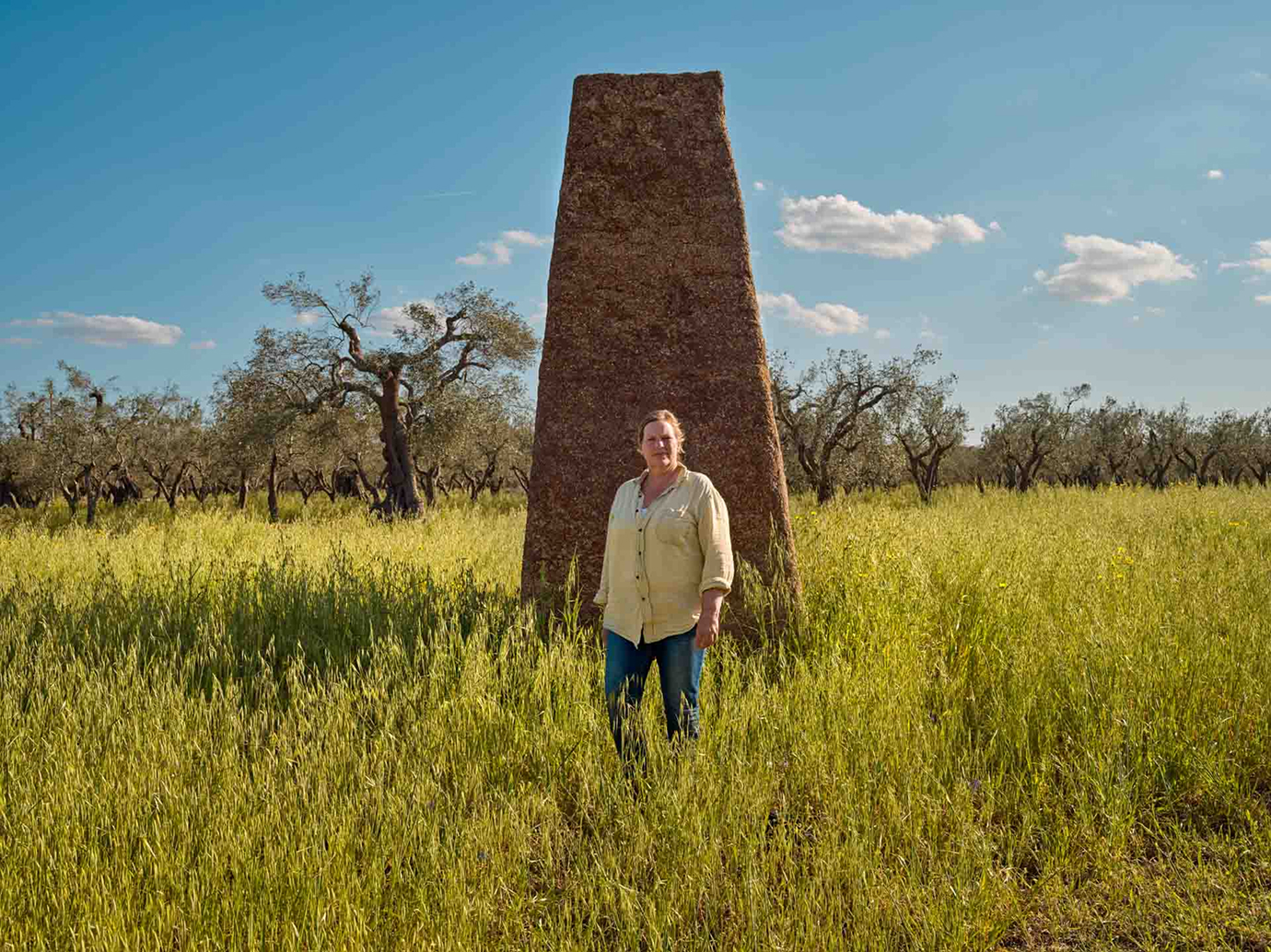
"Resilience Food Stories is not just about the resilience of nature but about the resilience of people and the culture in which they live."
Hanneke van HintumCreative Producer
Resilience Food Stories is a platform for stories from all over the world about farmers and growers that show producing food in collaboration with nature not only creates healthy products and honest livelihoods but tends the cultivated landscape and makes the soil and the surrounding natural environment healthier and more robust. The stories take the form of photo-reportages and videos as well as the written word, and they form the basis for presentations, exhibitions, publications and collaborations with companies, governments, and cultural and educational institutions.
RFS approaches the theme of food and farming not from a political or scientific angle but on foot. Ruud Sies (photographer) and Hanneke van Hintum (producer) meet the people involved by visiting enterprises large and small, then tell those stories in a way all their own, with patience and an eye for the beauty of the landscape, attention to the individuals concerned and respect for history. These are personal stories about exemplary and inspiring examples of a new way of farming. As well as tales told from experience, they include reports of meetings with researchers and thinkers, who combine the latest scientific knowledge with a renaissance of centuries-old farming practices.
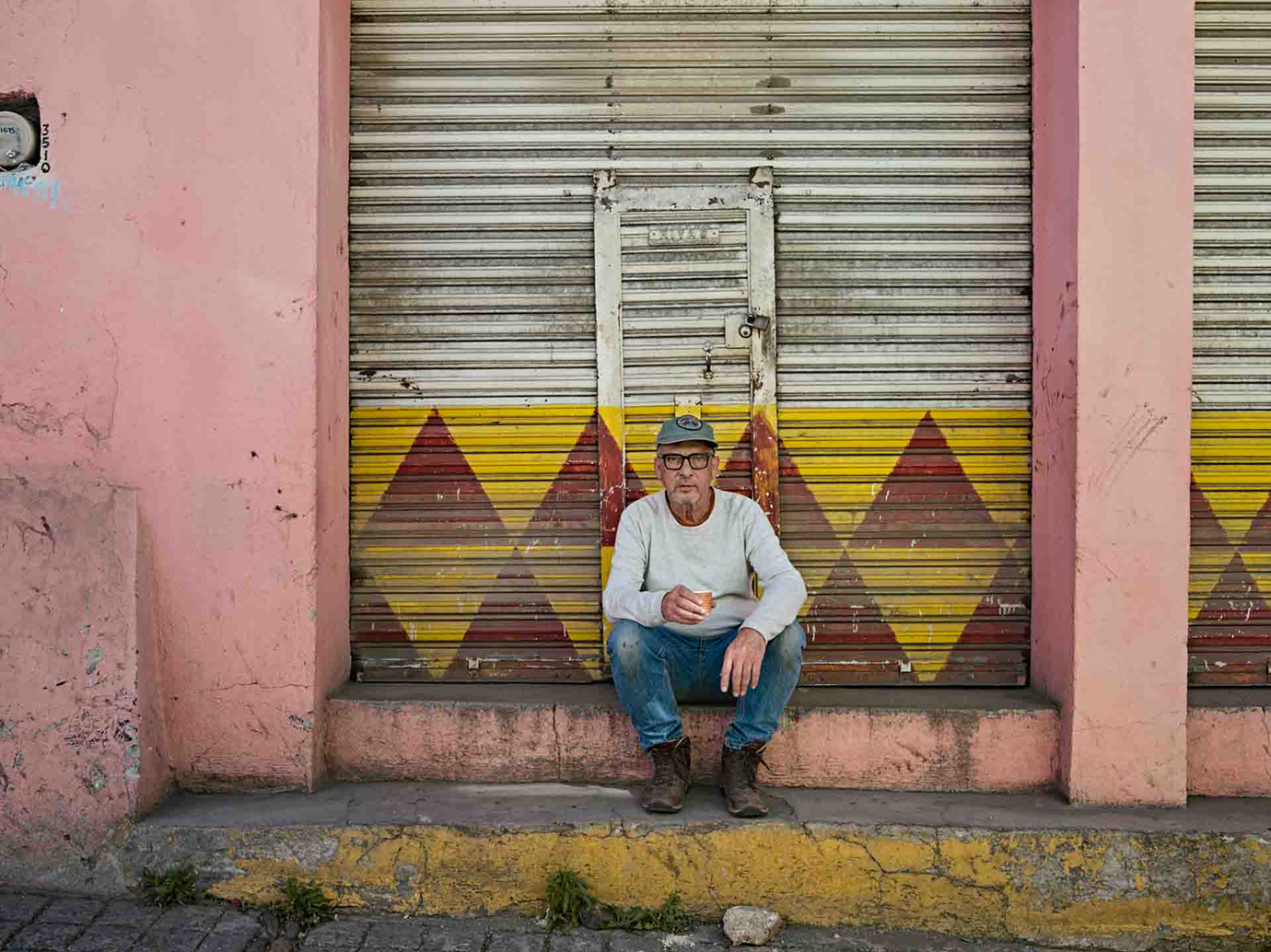
"There is value and truth in the romantic idea that we are connected to the land, and that connection expresses itself in the source of our food: a healthy earth produces healthy food, for healthy people."
Ruud SiesPhotographer/Filmer
RFS respects the complexity of the issues surrounding food and farming, and values the enormous diversity of practices and schools of thought, drawing upon them to create a fresh outlook on the future. The situation is too serious for time to be wasted on dogmas or on being proved right. Starting out with wide-ranging curiosity, RFS aims to pass on stories, knowledge and ideas about the future that global agriculture are going to need to make a reality.
Anyone looking at the photographs, films and writing on RFS will soon realize that these stories are about more than just food. As creatures that eat, we humans are connected to the soil, the animals and the forests, the seas and mountains, and above all to each other. Industrial farming that uses artificial fertilizers and pesticides is an unsustainable model. It is exhausting the earth and itself. With its rapacious methods and unhealthy products, the industry is making people sick and unhappy. It is also destroying the planet.
To avoid exhausting nature and our communities, while still keeping ourselves fed and healthy, we need to look for collaboration with animals and plants, reciprocity, inventive adaptation, ancient wisdom and new knowledge. This means seeking out inspiring people, the beauty of landscapes, and the richness of flavours and cultures.