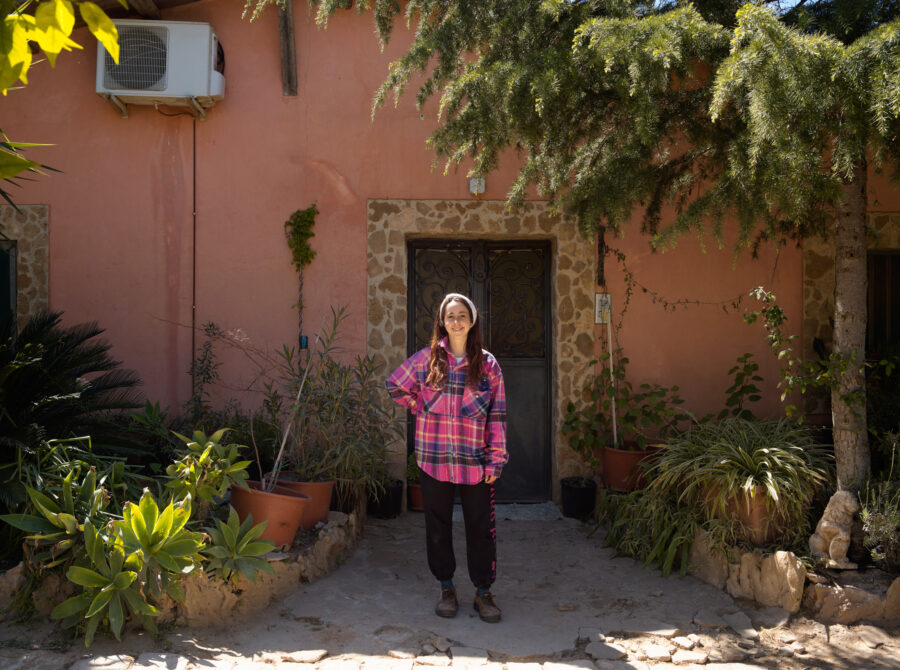
Transylvania has great biodiversity and forms a passageway along which large carnivores can move between the western and southern Carpathians.
This important ecological region, where humans and nature have gone hand in hand for centuries, is threatened by large-scale infrastructure developments, intensified forestry, the loss of traditional agricultural practices and more intensive small-scale agriculture.
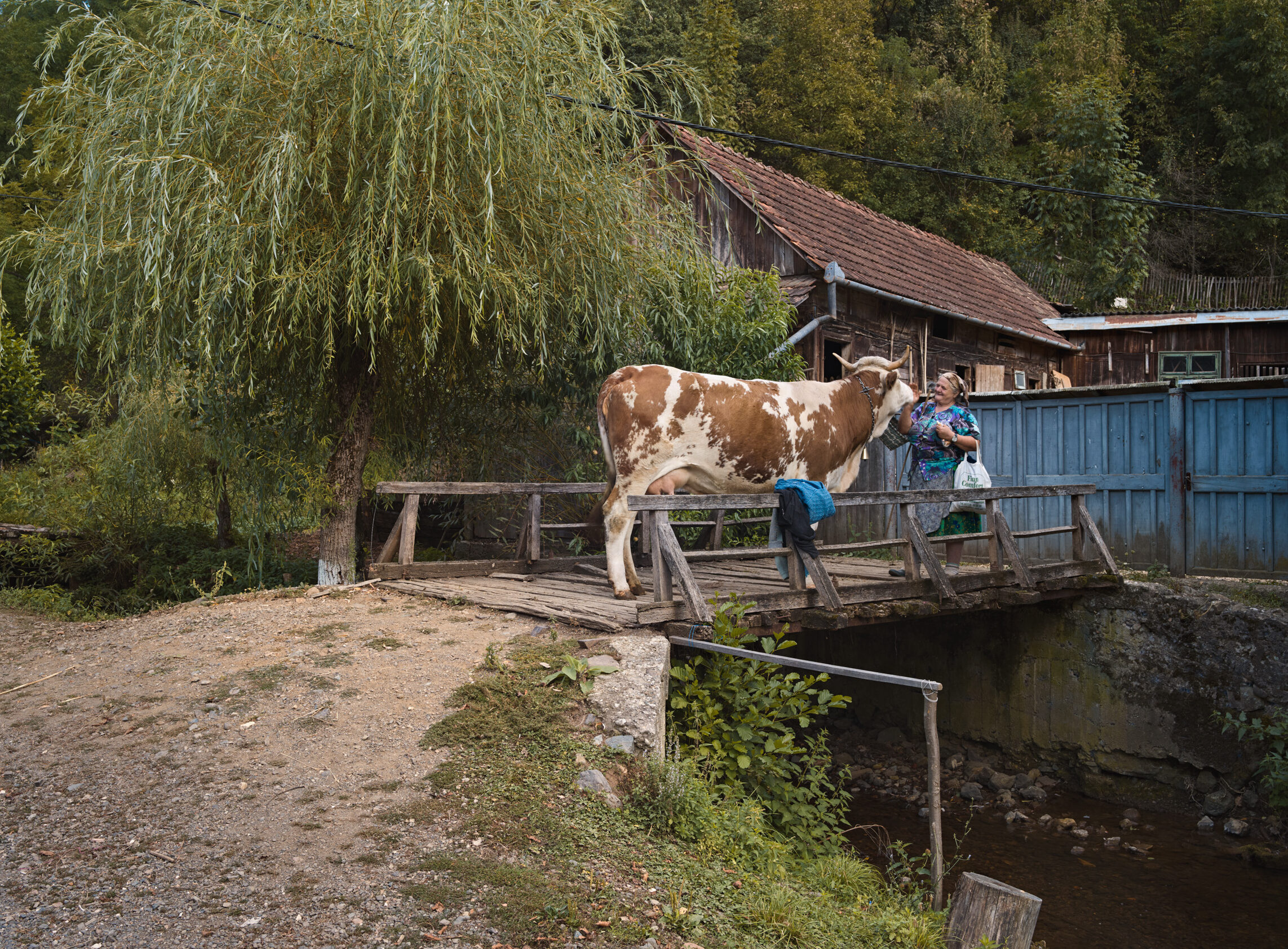
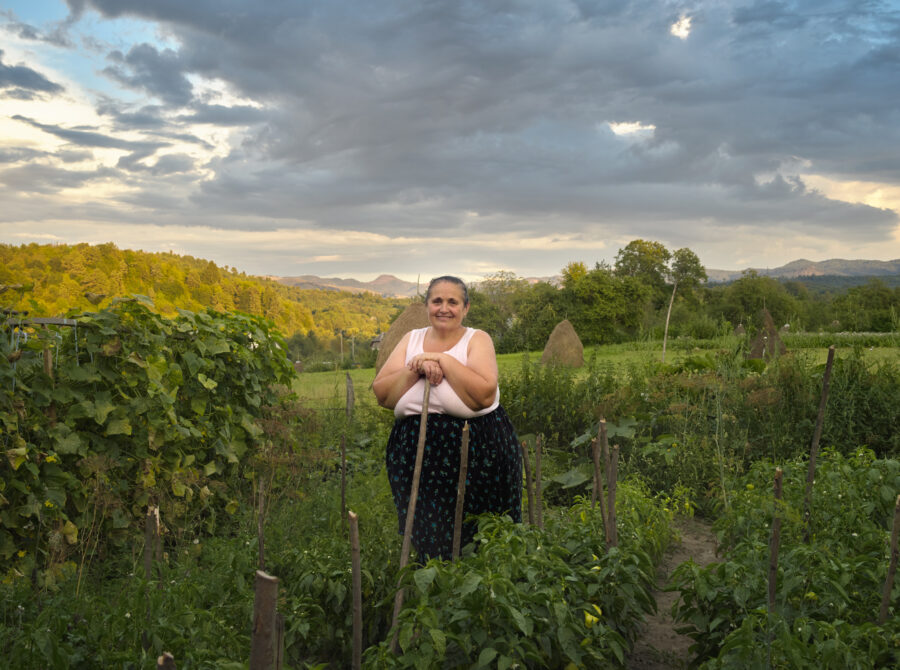
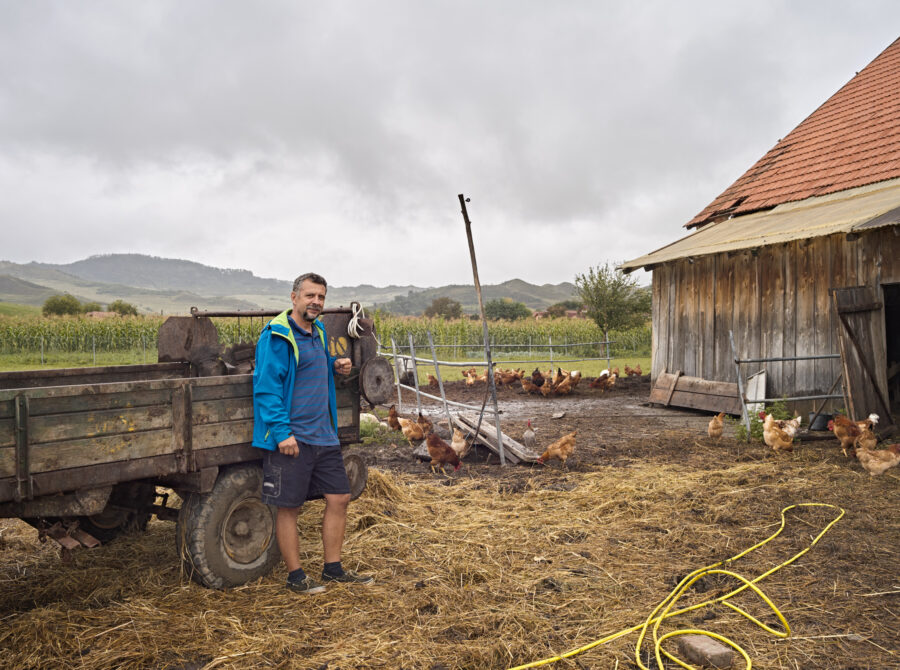
Agriculture has shaped most of the world’s cultures, economies and landscapes. With 40% of the world’s population classified as ‘small-scale farmers’, agriculture is vital to livelihoods, providing development opportunities for billions of people and food for virtually everyone in the world. The Zarand Association, in collaboration with Fauna & Flora International, provides support for smallholder farmers and develops programmes that help them strengthen their families economically by jointly seeking ways to market their products. We met Eftimie and Parachiva Ardelean, in the village of Roșia Nouă, Arad County. They take part in the programme and were eager to tell us about their way of life.
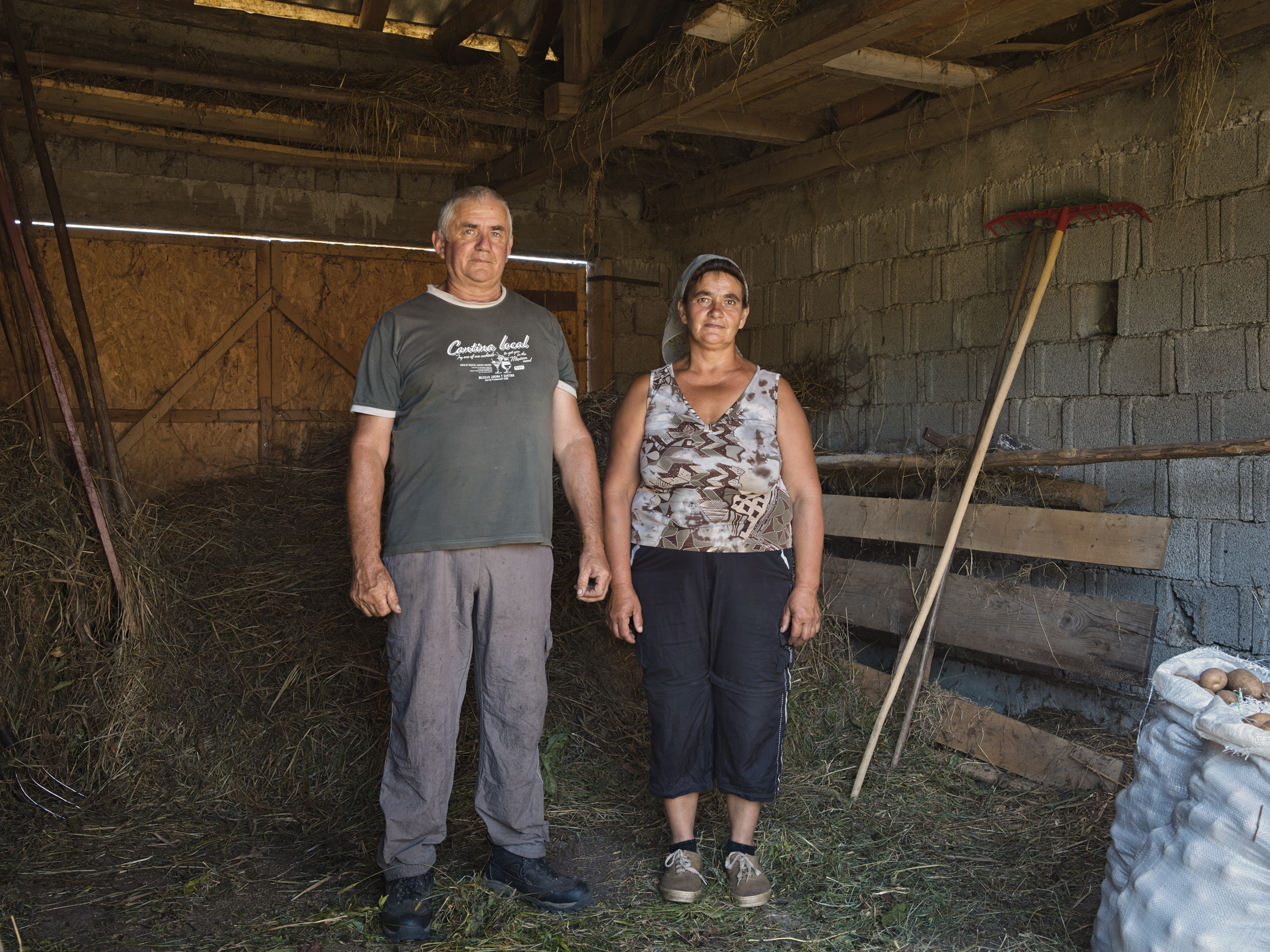
‘We produce our vegetables with love, what we're doing is a gift handed down from generation to generation This is our land and everything we do, we do from the heart.’
Eftimie and Paraschiva ArdeleanUnlike many European countries, Romania still boasts a high proportion of intact natural ecosystems. Almost half of its land area is covered with natural and semi-natural landscapes, including one of the largest remaining areas of undisturbed forest in the continent.
The quality of Romania’s natural landscapes is highlighted by the astonishing variety of wildlife found in the country, which includes a third of Europe’s brown bears as well as 20% of it’s wolves. Major grasslands, flower meadows, caves and an extensive network of rivers ads to the country’s environmental richness.
Unsustainable agricultural practices undermine the very ecosystem services on which producers, rural populations, and ultimately all of us, depend, reducing water quality and quantity, increasing vulnerability to pests, diseases, floods and droughts, and adversely affecting pollination, soil formation and nutrient cycling.
If well managed and well planned, however agriculture has real potential to help conserve biodiversity, use natural resources sustainably, improve livelihoods and increase food security.