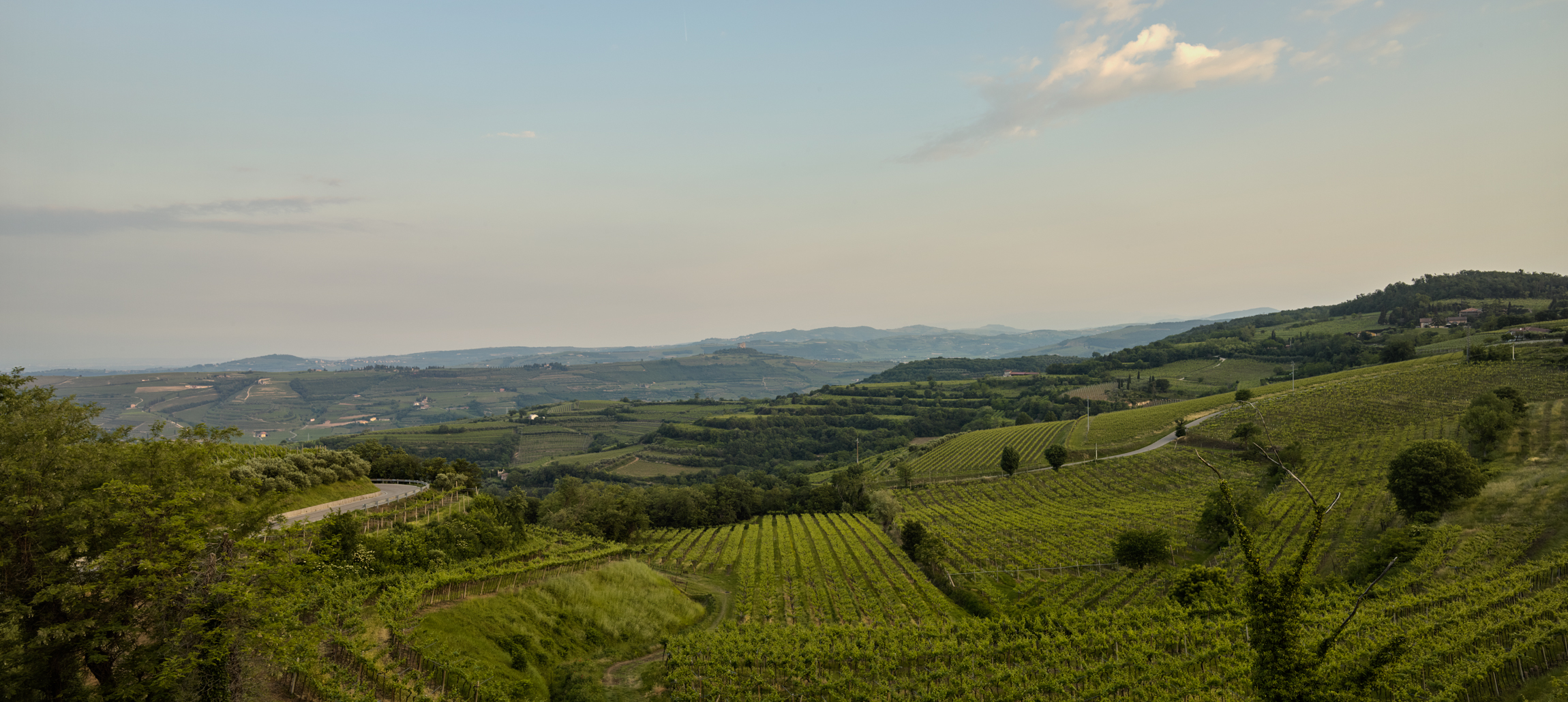
The Soave traditional vineyards are located on the slopes of the Lessini plateau, where the hills meet the Veronese plain, in the eastern part of the Province of Verona. These vineyards are a singular agro-economic system. The grape growing is completely directed to the production of a typical wine, the Soave DOC. Soave is a complete circle economic system where about 3.000 families live on it. It creates a related economy that involve more than 10.000 people. Soils, expositions and climate define a peculiar and original identity.
It is on that hills that, thanks to the determination of the grape growers and the symbiosis between Garganega (that compose the 80% of the production) and Trebbiano di Soave (the remaining 20%), the native varieties, and the environment, that the entire systems strengthens. Soave wine is produced from two indigenous varieties, Garganega and Trebbiano di Soave, that exist in this area since the Middle Ages.
The vineyards are combined with olive trees, cherry trees and peas, creating a balanced environment. The most common vine growing form in the Soave area is so-called Veronese pergola, that is typical and unique. It is a system characterized by a slopping or sub-horizontal scaffolding, which is fixed to the supporting pole and composed of wooden elements to which the wires that support the vines are fixed.
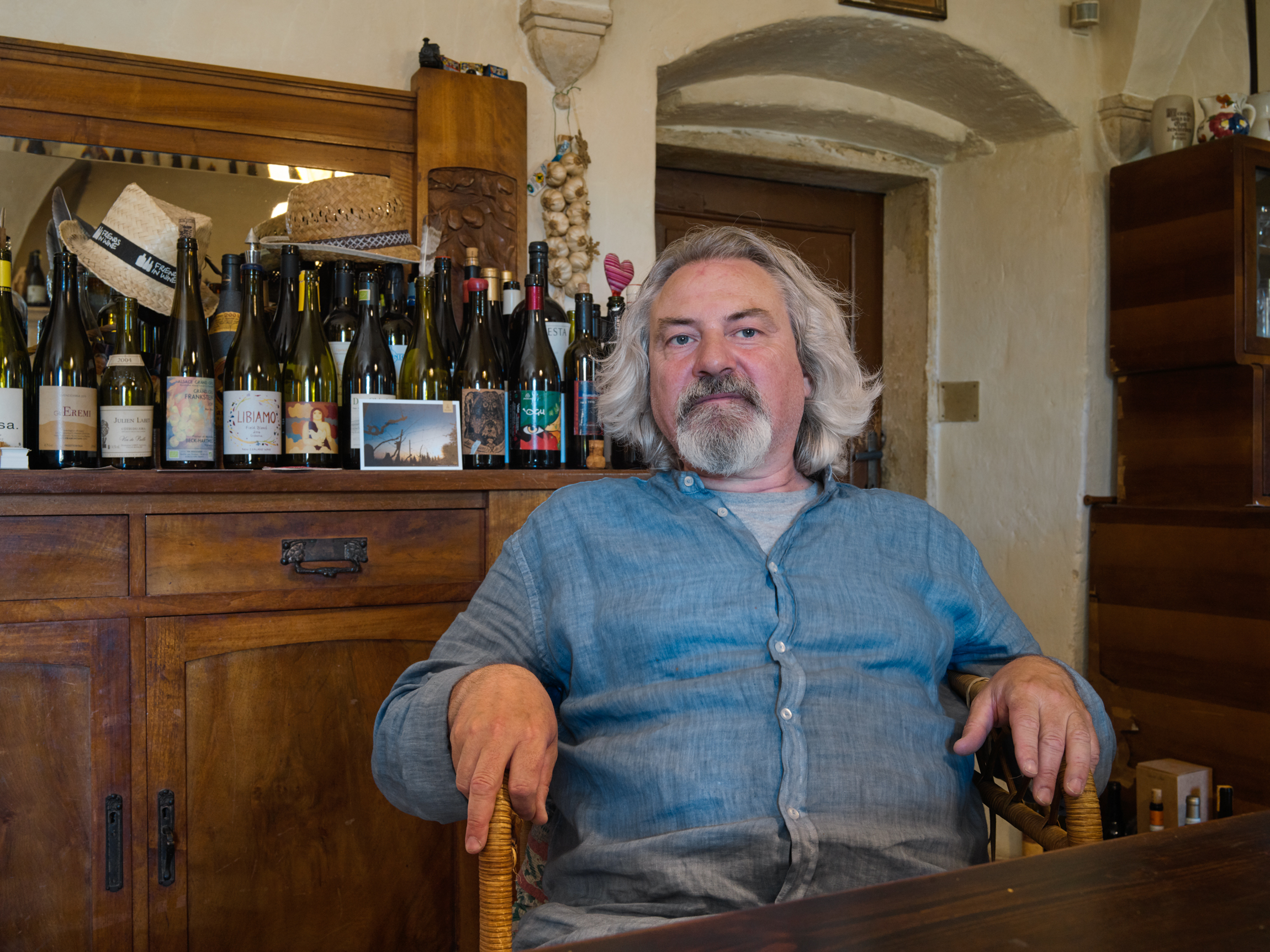
‘My dream was to make wine like my grandfather did, in the early 1950s.’
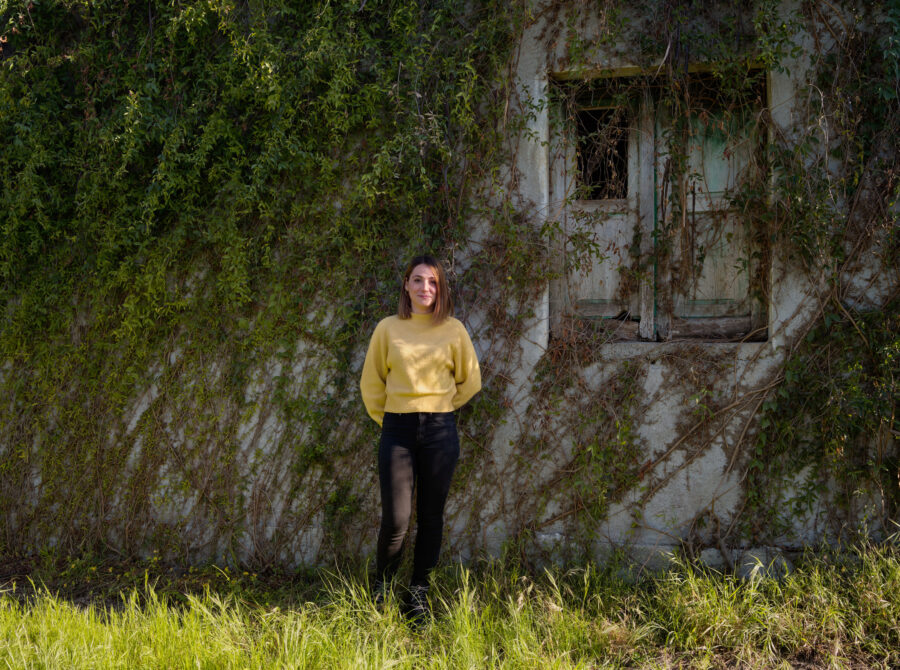
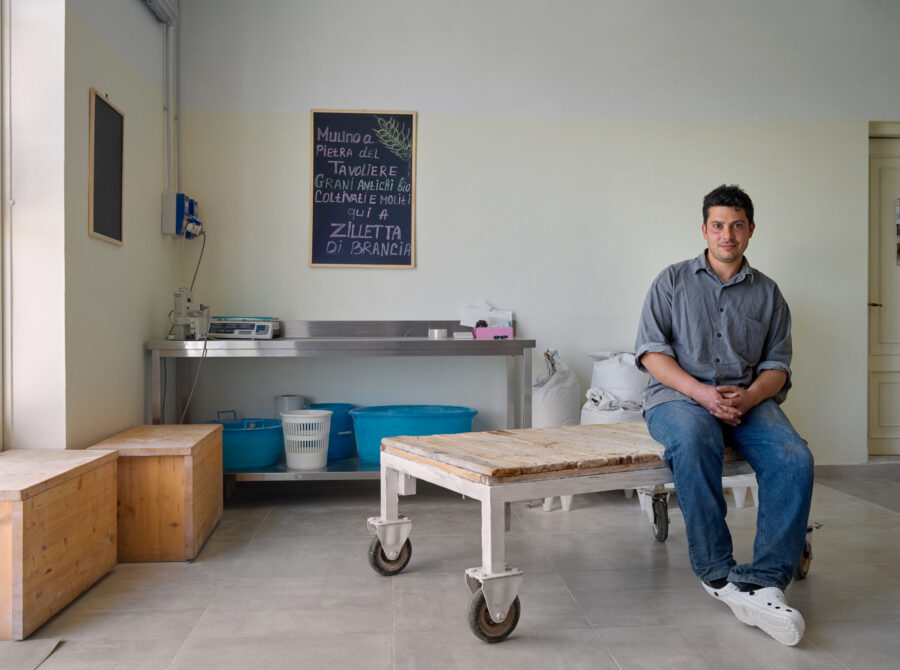
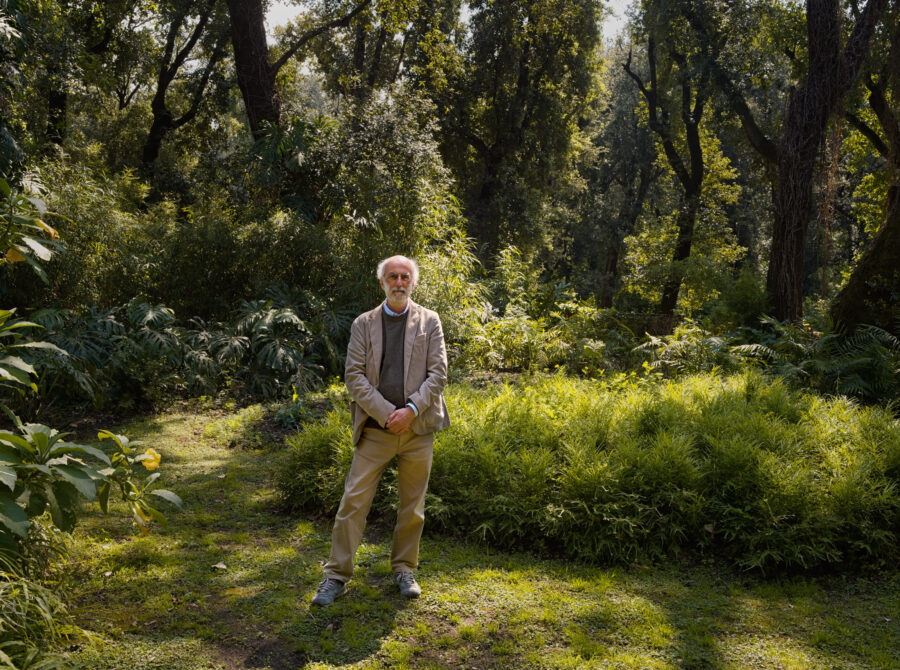
Filippo FilippiFilippo and his girlfriend Paola are passionate and headstrong winemakers. They are not drawn to a way of growing grapes and making wine whereby cooperatives prescribe what and how you must produce, and it’s certainly not sustainable. Filippo makes the organic wine on his mother’s land and his labels do not state the designation Soave but his surname: Filippi. It’s a wine with a character that actually rather resembles his own.
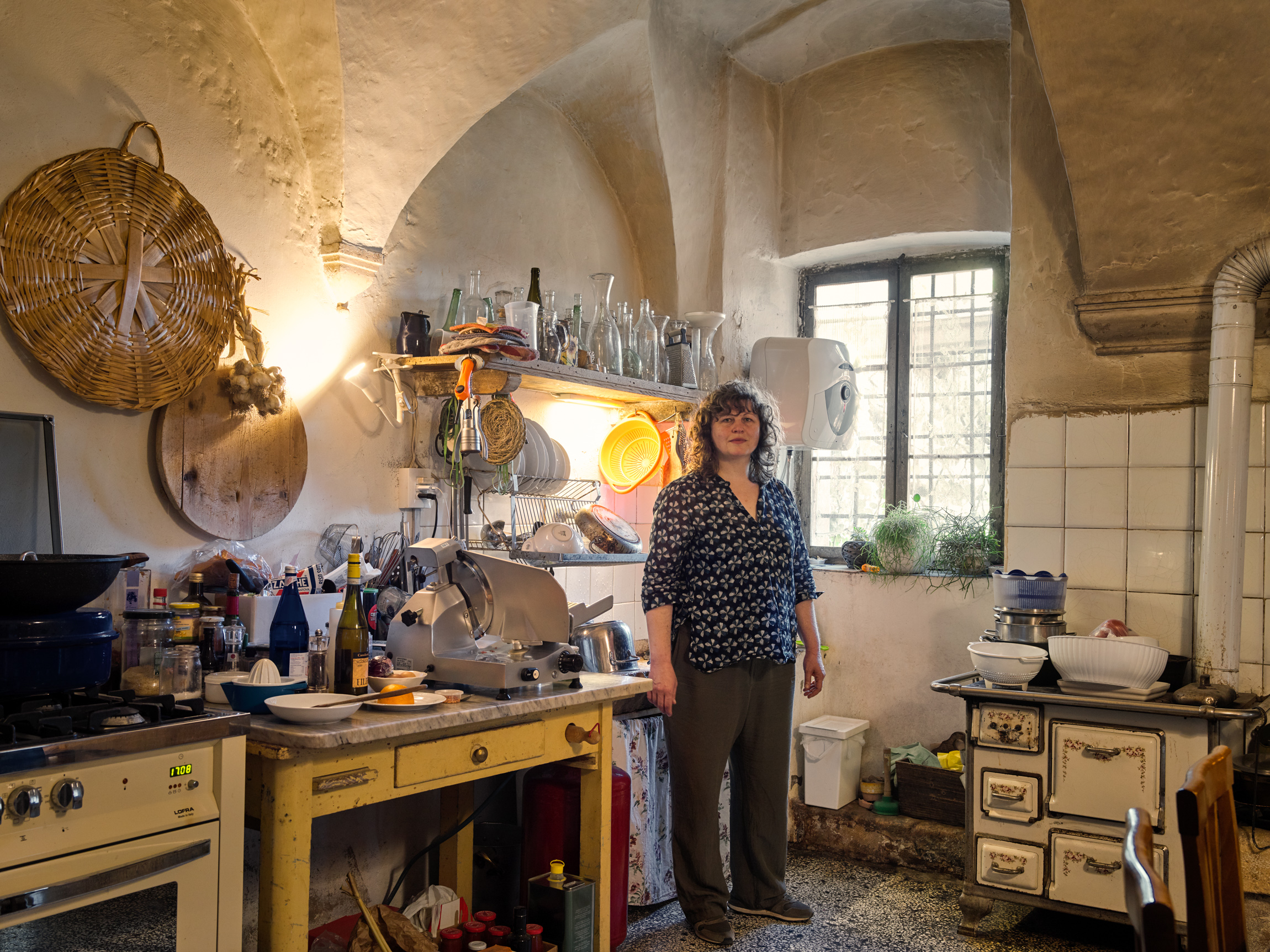
‘We try to preserve a whole ecosystem which I think you can also taste in our wines.’
Filippo and PaolaSoave Traditional Vineyards of Italy was formally recognized as Globally Important Agricultural Heritage System in November 2018. “Globally Important Agricultural Heritage Systems” (GIAHS) are outstanding landscapes of aesthetic beauty that combine agricultural biodiversity, resilient ecosystems and a valuable cultural heritage. Located in specific sites around the world, they sustainably provide multiple goods and services, food and livelihood security for millions of small-scale farmers. Unfortunately, these agricultural systems are threatened by many factors including climate change and increased competition for natural resources. They are also dealing with migration due to low economic viability, which has resulted in traditional farming practices being abandoned and endemic species and breeds being lost. These ancestral agricultural systems constitute the foundation for contemporary and future agricultural innovations and technologies. Their cultural, ecological and agricultural diversity is still evident in many parts of the world, maintained as unique systems of agriculture.
The Globally Important Agricultural Heritage Systems (GIAHS) represent not only stunning natural landscapes but also agricultural practices that create livelihoods in rural areas while combining biodiversity, resilient ecosystems and tradition and innovation in a unique way.
Source: UN Food and Agriculture Organization (FAO)