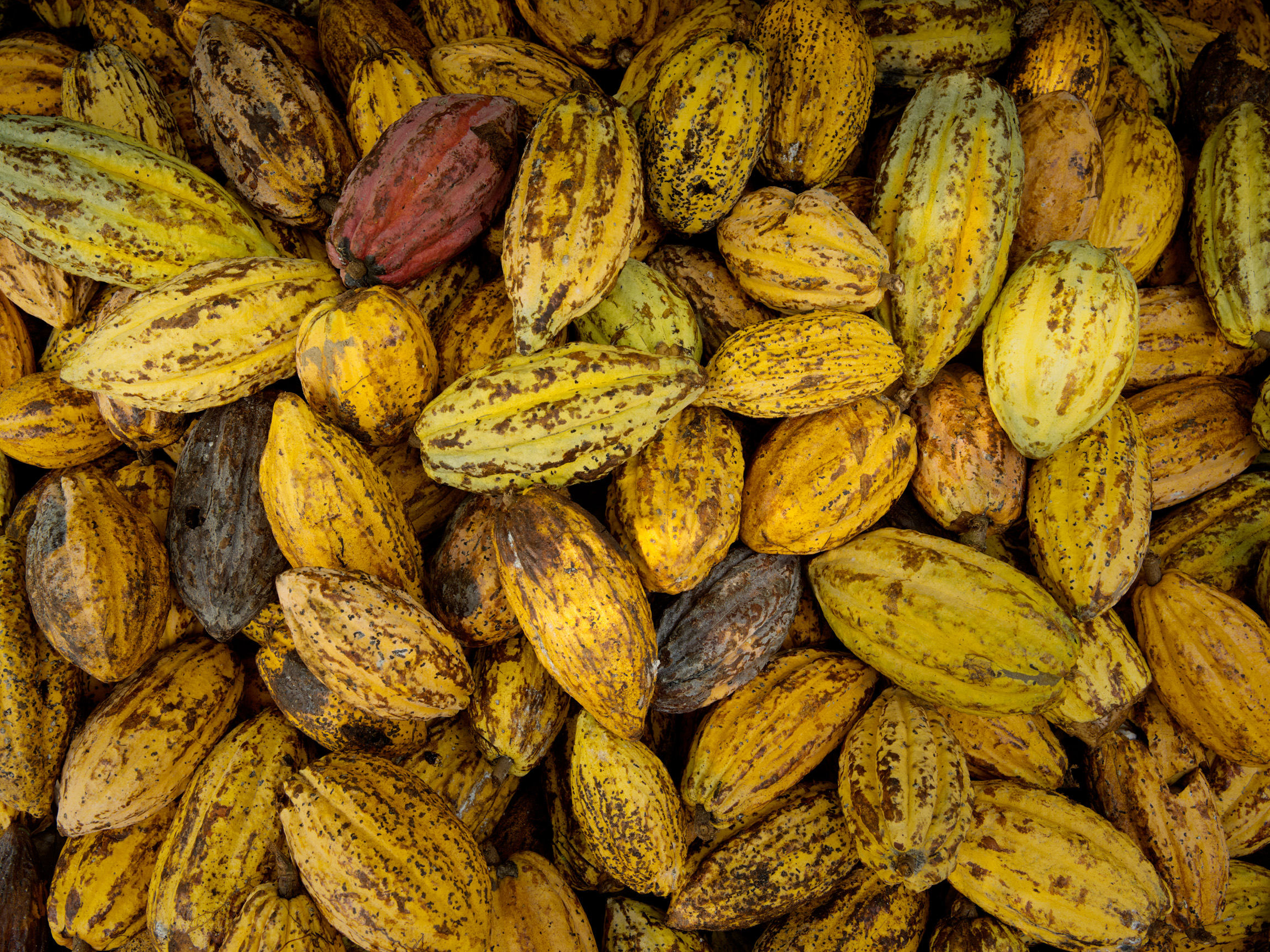
The fruit that conquered the world came originally from the tropics of the American continent. The Aztecs believed that Cacao seeds were a gift from the god Quetzalcoatl. Two thousand years ago the Mayas began to dry and roast Cacao to use it in recipes and as a currency. Its use as a food in the pre-Hispanic period was deeply ritualistic and reserved for special occasions. Chocolate and Cacao are part of Mexico’s cultural heritage. Although both originate from Mexico, the country’s Cacao production has declined in recent years. Fifteen years ago, Mexico was producing about 50,000 tons of Cacao per year. Today the figure is around 25,000 tons, grown on 59,000 hectares. Most of Mexican Cacao production is concentrated in the states of Tabasco (68%) and Chiapas (31%), which between them account for 99% of the national total.
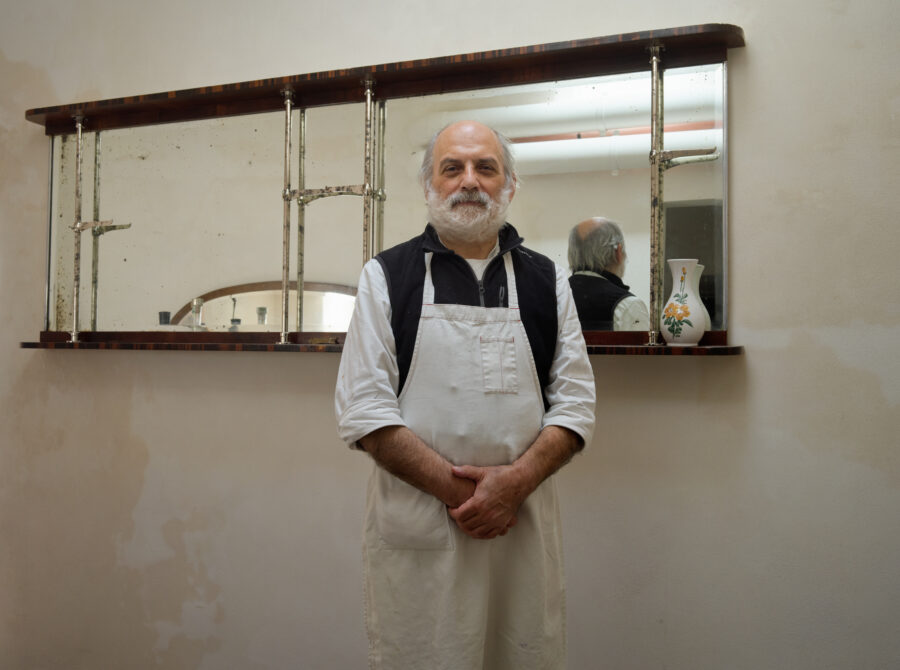
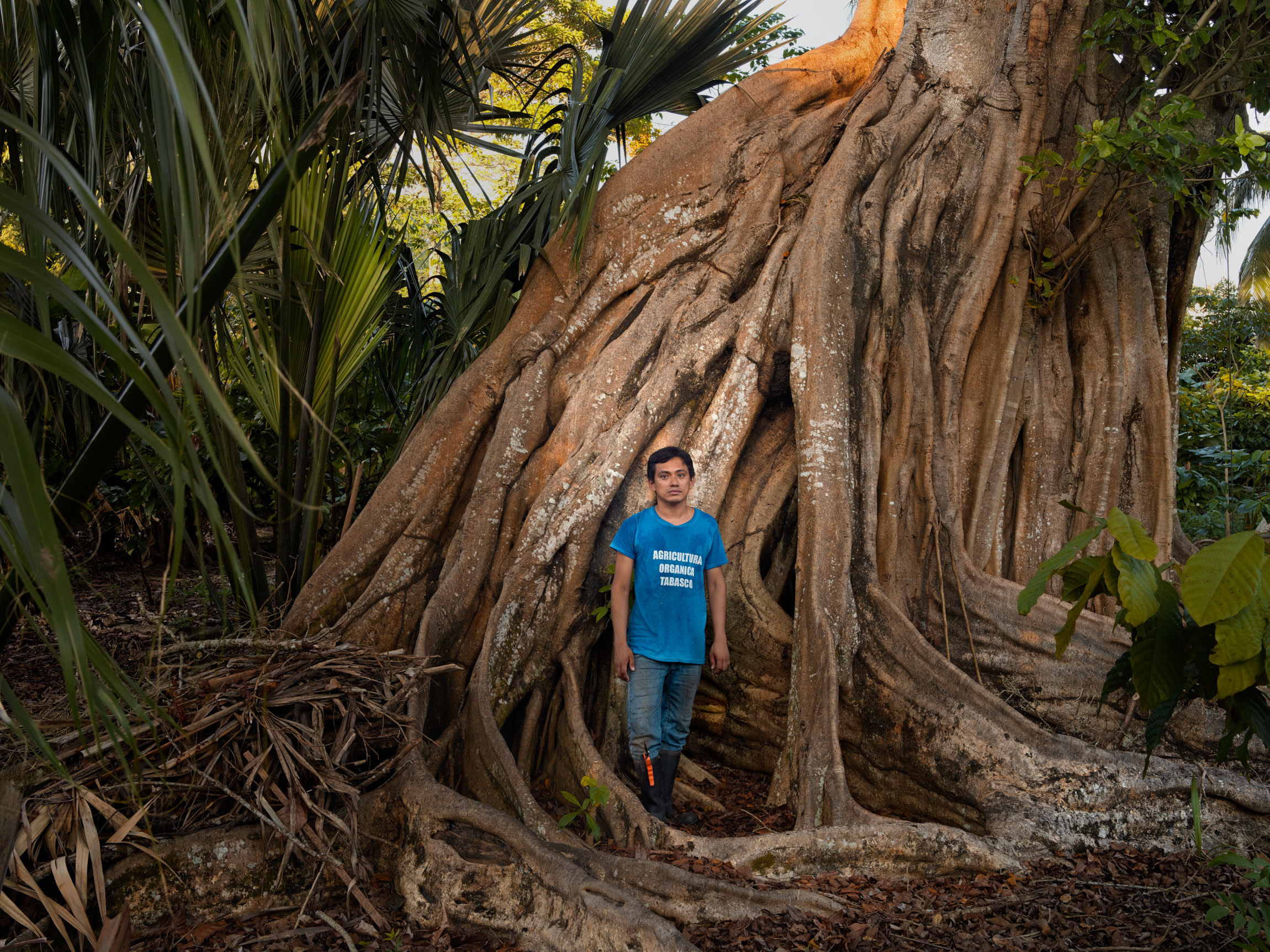 Gerardo Valenzuela Hernández Cacao Producer
‘We exchange knowledge with other Cacao producers who are eager to transform their methods and product.’
Gerardo Valenzuela HernándezCacao production at AOT is 100% organic. It takes place in a highly biodiverse agroecosystem that conserves native and endemic flora and fauna.
Each stage of Cacao cultivation and processing is rigorous to ensure a high-quality product, while generating fair trade and resulting in customer satisfaction. By buying Cacao, customers are helping to care for and conserve the environment.
Agricultura Orgánica Tabasco (AOT) is a means of rescuing local cocoa farming, deploying a new approach that seeks to improve the quality of life of cocoa producers and ensure they have highly productive plantations. It prioritizes the soil-plant-human relationship, resulting in benefits from an environmental, social, cultural and economic point of view, and thereby motivating younger generations to return to the countryside, where they are guided by the Cocoa School.
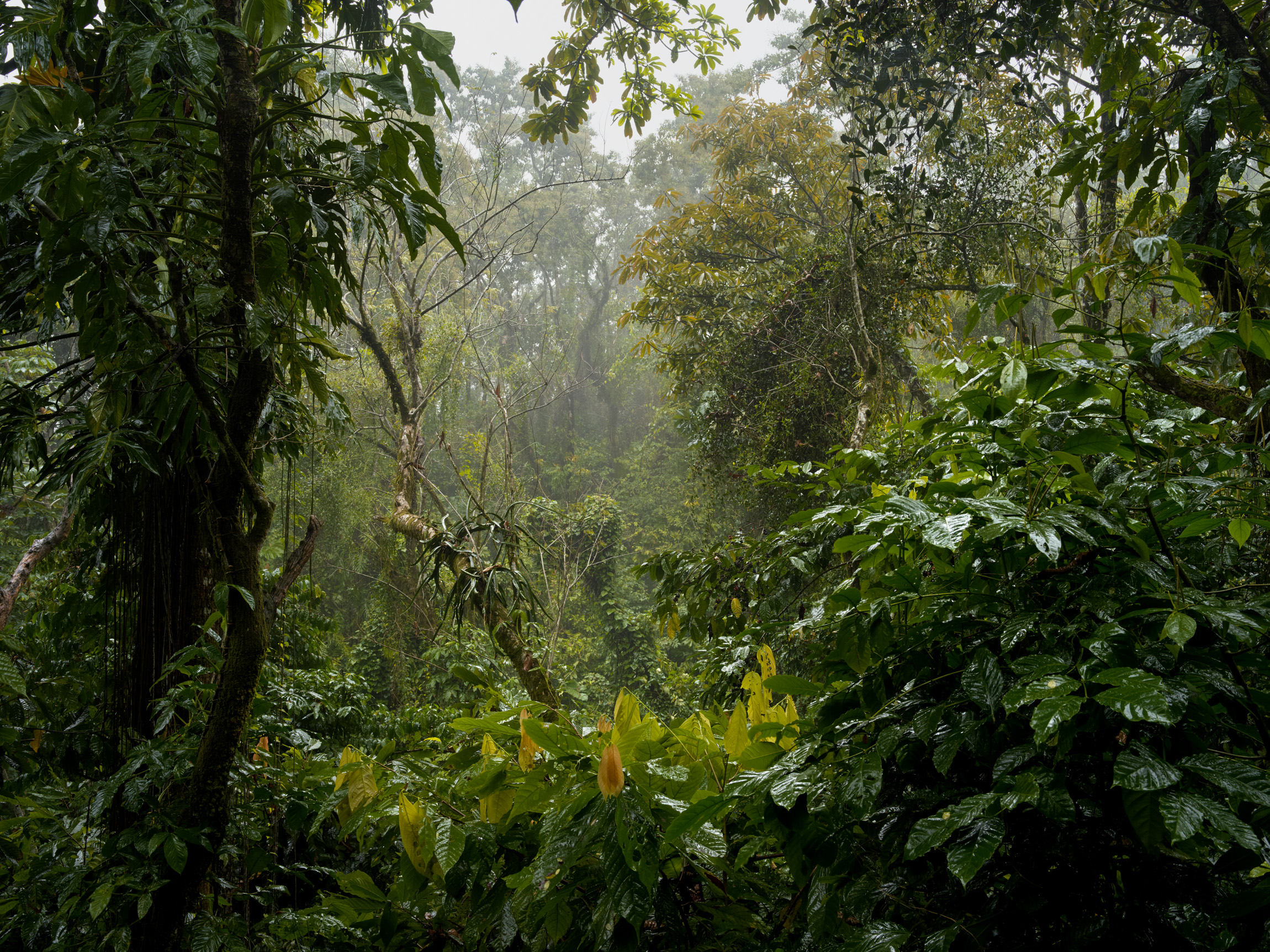 Cacao Plantation
‘We place great value on having a cacao growing system that's based on the forest, knowing that Cacao comes from the forest.’
Manolo Valenzuela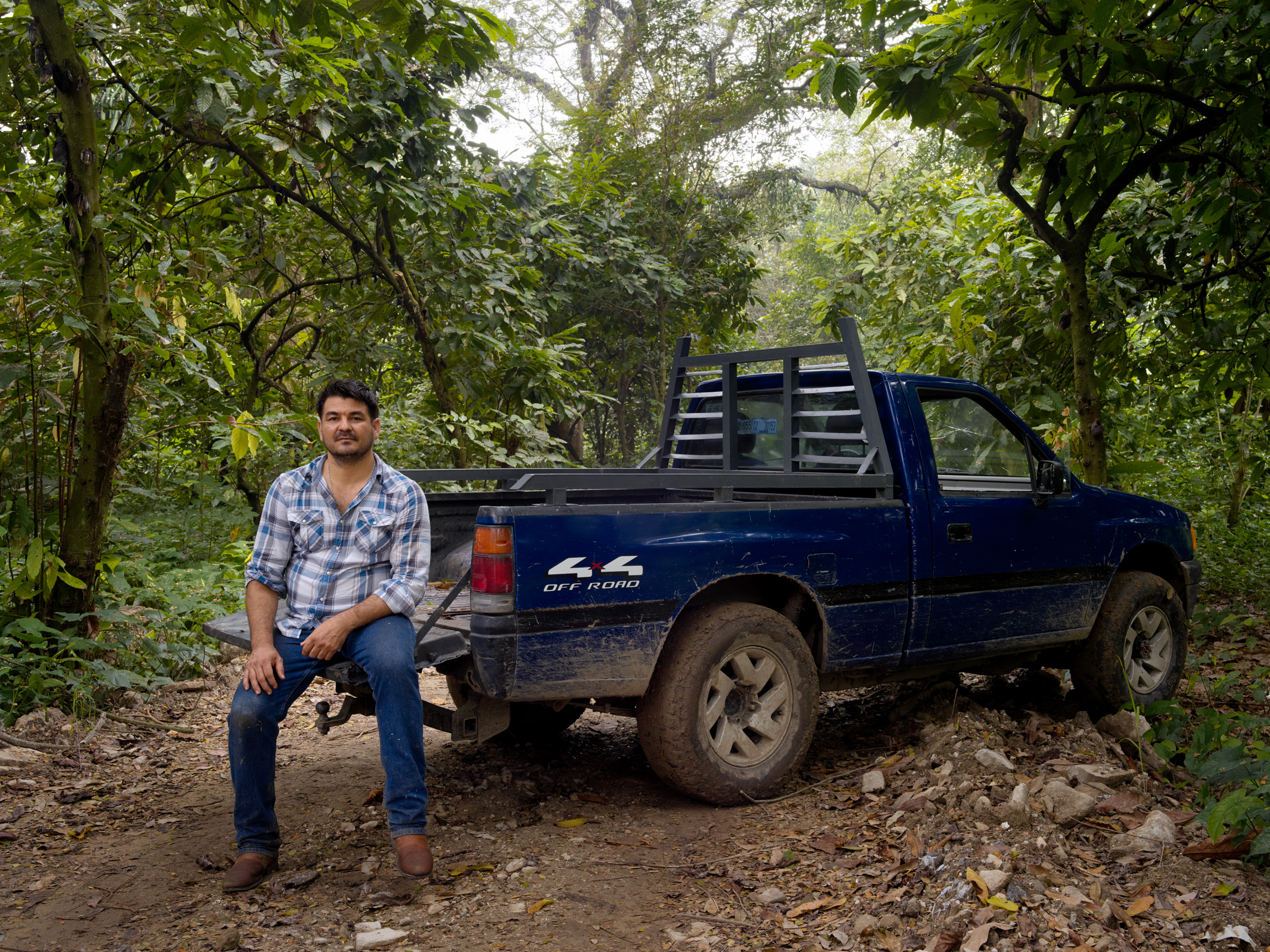 Manolo Valenzuela Cacao Producer
Manolo grew up on his parents’ plantation. As a small boy he preferred to be out in the jungle of the plantation with his friends, searching for treasure from the time of the Mayas, rather than sitting at a school desk. After graduating from university as an electronic engineer, he could hardly wait to get back to the plantation that he now runs with his wife Lilian. Manolo is really still that little boy as he shows us around the plantation, rooting about in the soil with his hands in search of fragments of Mayan pottery.
Manolo has a mission. As well as wanting to keep the plantation going and produce the best Cacao imaginable, he regards Cacao as Mexico’s most important cultural heritage. He dreams of creating an experience centre on his land, where he can keep the history of cacao alive.
‘Cacao is Mexico’s most important cultural heritage.’
The Olmecs (1500-400 BCE) were the first to taste Cacao as a drink, grinding the beans, mixing them with water and adding pepper and spices. From about 600 BCE the Mayans used Cacao beans to make a drink. For these civilizations, Cacao was a symbol of prosperity that was used in religious rituals devoted to the Aztec god Quetzalcoatl. Specially for us, Manolo demonstrates how this drink of the gods, called xocoatl, was prepared.
‘Next time you let a chocolate melt on your tongue, remember that we have an mosquito and a squirrel to thank for chocolate.’
Vicente Alberto Gutiérrez Cacep Cacao ProducerThe cacao tree is pollinated by a tiny mosquito (the Forcipomyia) that manages to penetrate deep into the little flowers and spread the pollen with a plume on its head that resembles that of a hussar’s helmet. As for the squirrel, it spreads the seeds.
The cacao tree cannot reproduce by itself because the fruit does not fall of its own accord and the seeds (the cacao beans) are enclosed within the pods and firmly embedded in a slimy pulp, the flesh of the fruit. The flesh is very sweet and tasty, so in its countries of origin the beans with their pulp are often sucked by children like sweets. Squirrels love the sweet fruits too, so they gnaw a hole in them and suck out the sweet flesh. They spit out the cacao beans, knowing them to be deadly.The Mayans were the first to observe this astonishing performance and from it they learnt how to use the cacao beans as valuable seeds for the planting of new cacao trees.
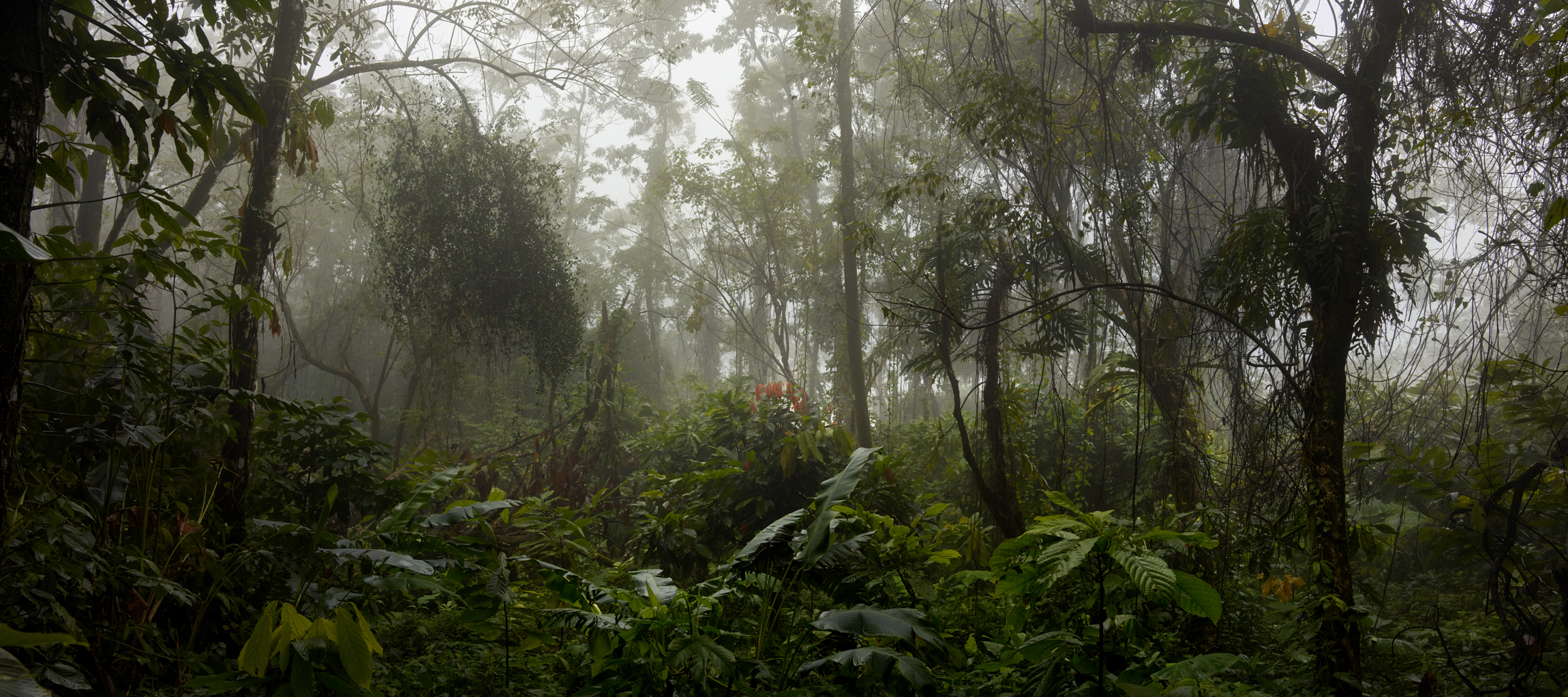 Cacao plantation El Mirador
‘El Mirador, a paradise, where the ancient and traditional flavours of Creole cacao are kept alive.’
Don Tito, aged 87, is the Nestor of Mexican cacao cultivation. All the cacao growers we visited praised him for his farming wisdom. He has developed a theory about how cacao takes up the flavours of its environment. Many cacao producers in Mexico owe their knowledge and expertise to this man, who has dedicated his life to his cacao plantation, El Mirador, which is now run by his daughters.
A women’s affair
Don Tito and his wife have been blessed with four daughters, Monica, Nuria, Delhi and Maria Emilia. The couple worked hard all their lives to enable their children to go to university.
All four left the parental home to study. They married and had daughters of their own. They all returned home to El Mirador where they grew up. Now eight women and one man live in the house, where they all contribute to the future of El Mirador.
“Cultivation of the creole cacao varieties like Nativo Marfil, Uranga Native, Amazonico and Forastito take place according to an ancient method that follows the phases of the moon. ”
The methods of cultivation are traditional and organic, with great respect for the ecosystems of the plantation. As a result, an all-embracing production system has been consolidated that now includes the preservation and protection of valuable timber trees and the cultivation of fruits and spices including black pepper and vanilla.
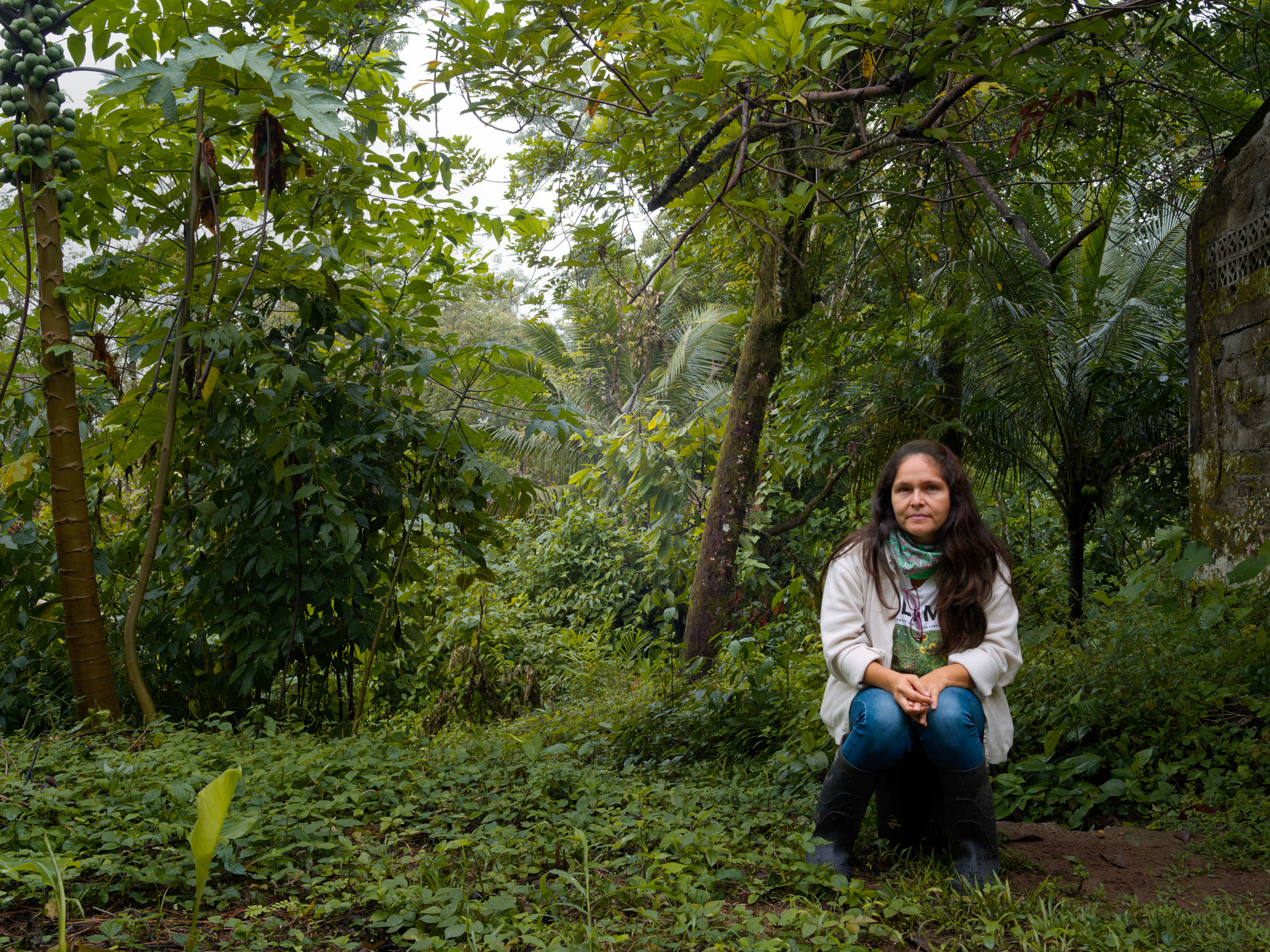 Mónica Jiménez García, Cacao Producer
Monica, who is now responsible for the future of El Mirador, makes every possible effort to perpetuate the cultivation of Creole cacao, adhering to the mystique, methods and techniques long preserved by their ancestors.
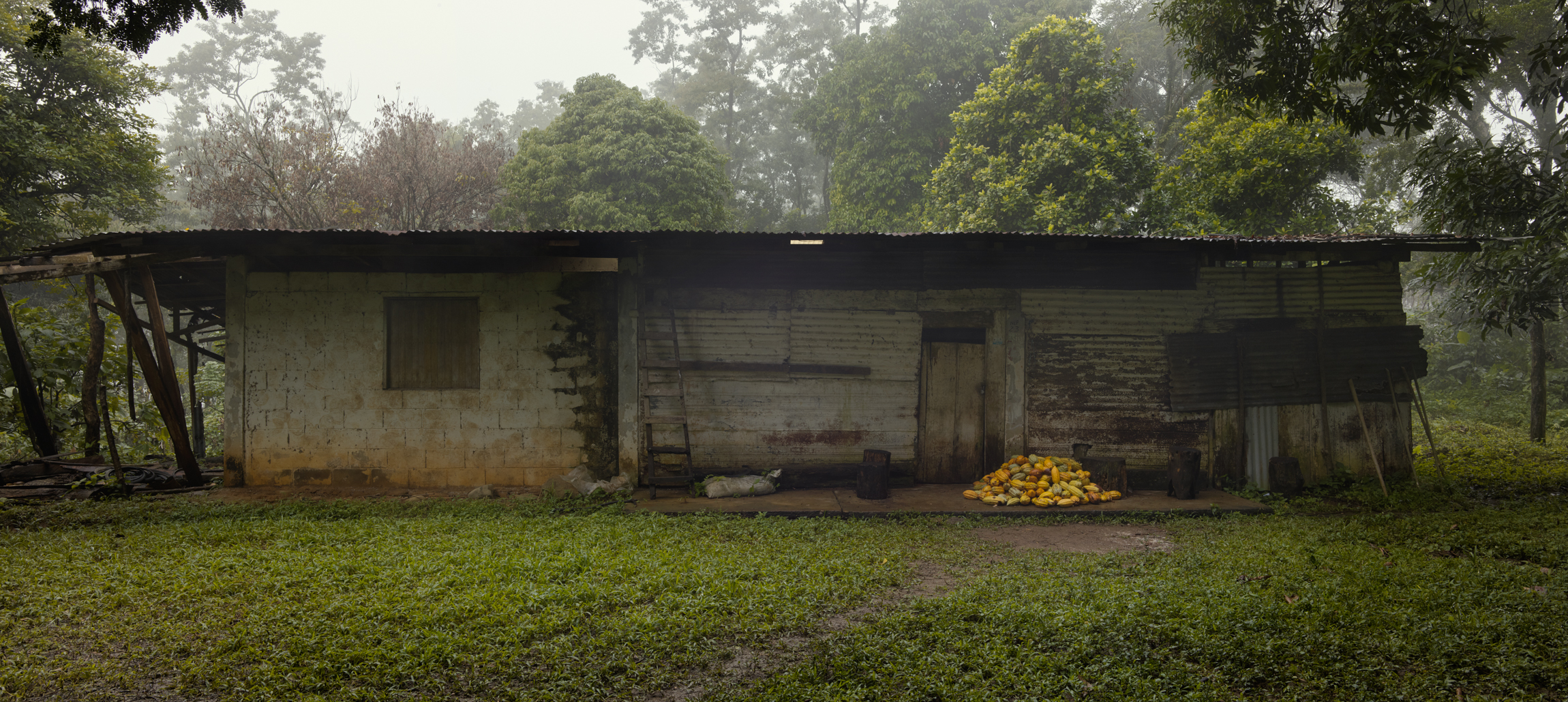
The global cacao market distinguishes between two broad categories of cacao beans, ‘fine or flavour’ and ‘bulk or ordinary’.
Generally speaking, fine cacao beans with the best flavour are produced from Criollo or Trinitario varieties of the cacao tree, while bulk or ordinary cacao beans come from Forastero trees.
Source: The International Cacao Organization (ICCO)