In high nature value farming we can talk about the public good, about the services nature is providing for all humans and for all of the earth.
When we talk about biodiversity, or when we talk about pollination, or when we talk about clear waters, pure air, when we talk about resilience and when we talk about fighting against climate change we are talking about the value of nature.
In this respect the farmers on small-scale farms create high nature value through landscapes, through their work. Therefore, their work should be respected and should be appreciated for the value in itself.
Ben Mehedin, Fundatia Adept Romania
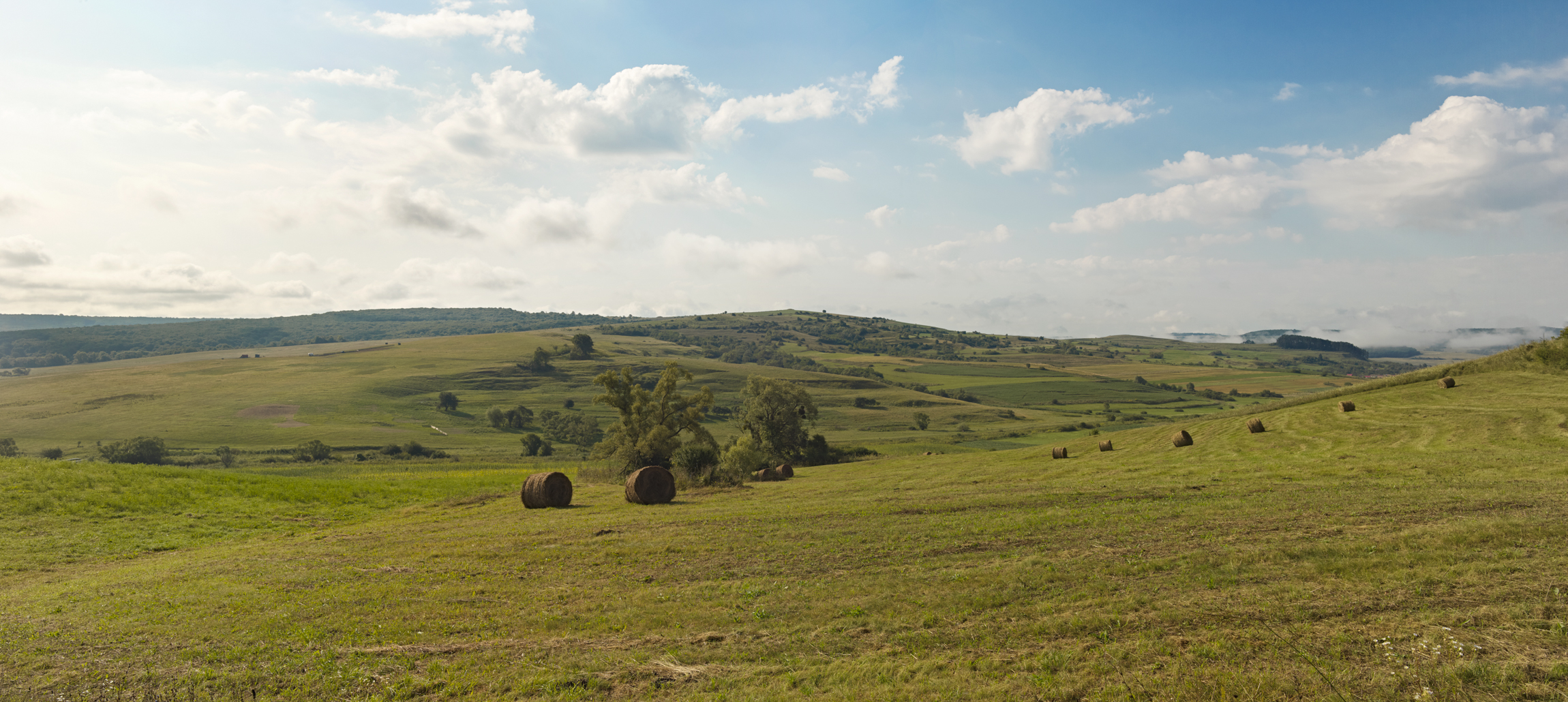
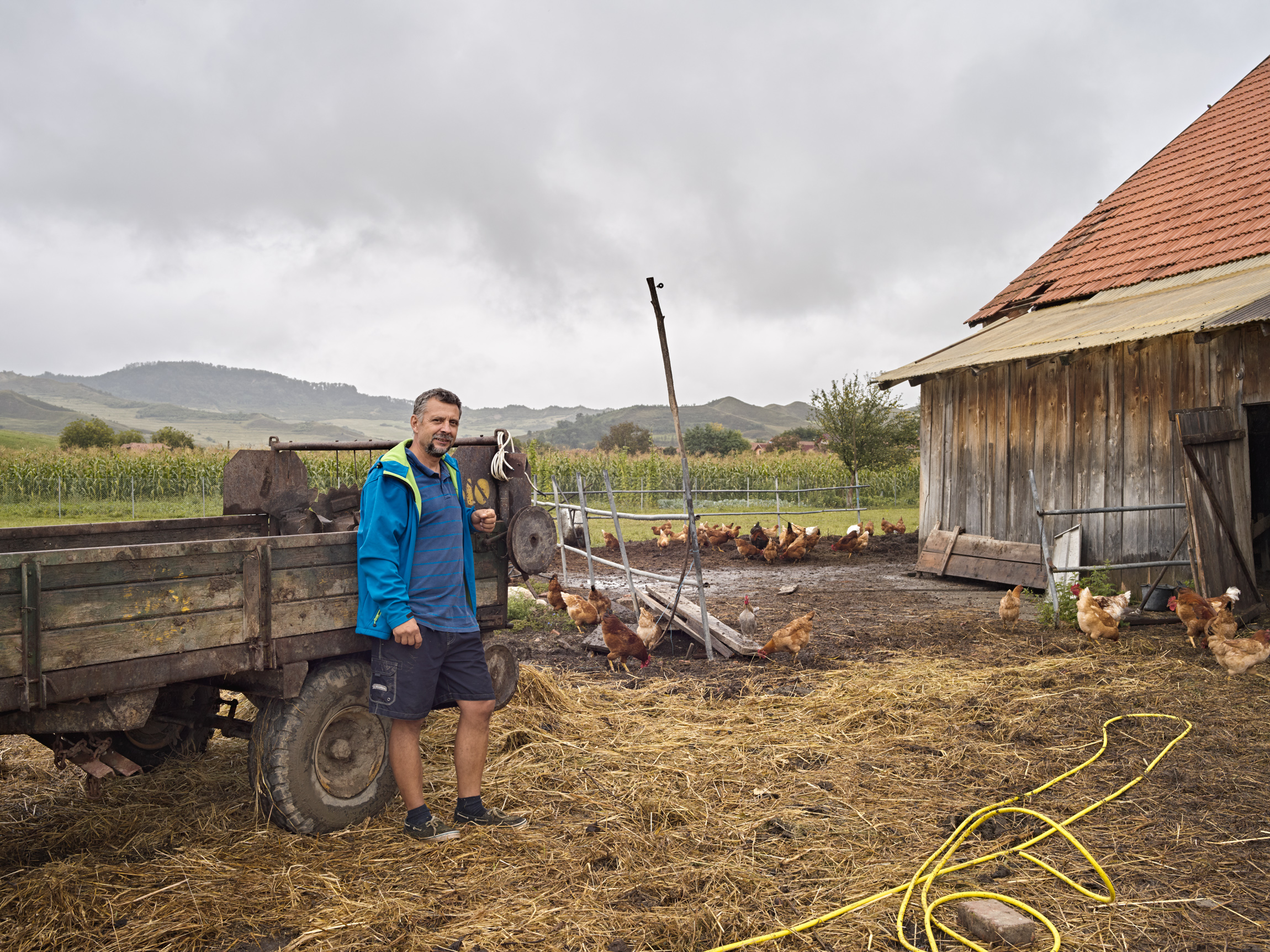
‘We made this choice to provide an alternative to conventional farming.’
Dan CismasAlong with his wife and four children, Daniel runs the Topa Ecological Farm in a little village in Transylvania. Daniel is eager to serve as an example, as inspiration to a new generation of farmers. They have European certification for the production of organic foods. The farm covers an area of 43 hectares.
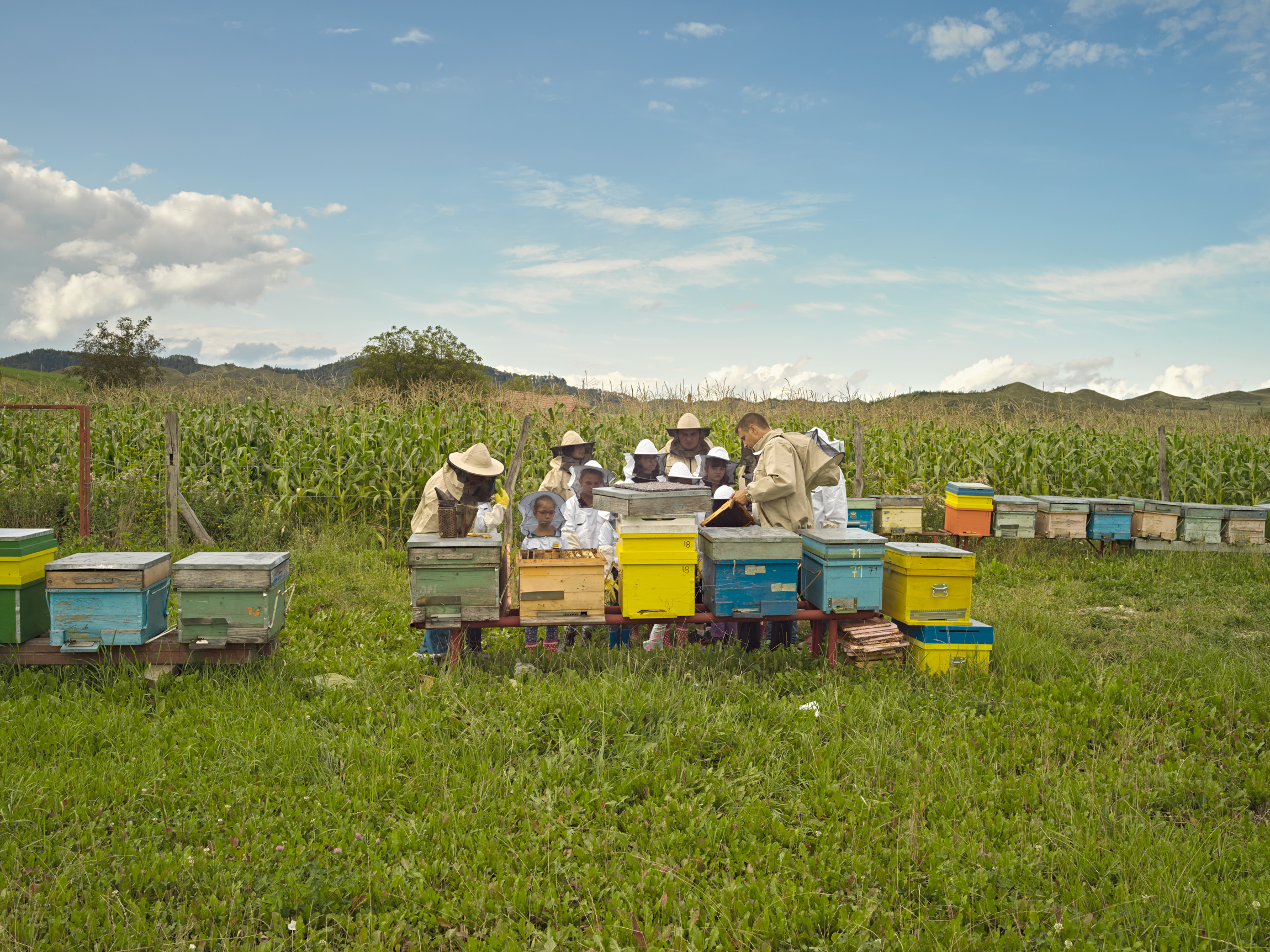
Daniel, who is sensitive to the challenges of the agrarian world, is a member of the coordinating committee of the Romanian farmers’ organisation Eco Ruralis, in which he devotes his efforts to protecting the land rights of Romanian small farmers and the Common Agricultural Policy.
They keep cattle, pigs and chickens and grow maize, wheat, vegetables and medicinal plants.
Family businesses fulfil an important and undervalued role in the supply of food. It has been demonstrated that enabling families to grow their own food on small plots of land provides solutions to food shortages in many problematic areas of the world. In Romania an estimated one million partially self-supporting agricultural enterprises produce 25-30% of the food consumed in the country.
For a nation that imports a considerable percentage of its food, this is an important achievement. Small-scale agricultural landscapes are more flexible in their farming activities and adjust more quickly to climate change and other environmental challenges.
Family enterprises in Romania are an important source of agrobiodiversity. Both fodder crops such as grasses and clovers and varieties of vegetables and fruit that are crucial for food security help to generate resilience in the face of future climate change. Natural forest and permanent semi-natural grassland both function as substantial carbon sinks. These landscapes and systems reduce CO2 emissions and limit climate change.
Sources: European Union, FAO, Fundatia Adept