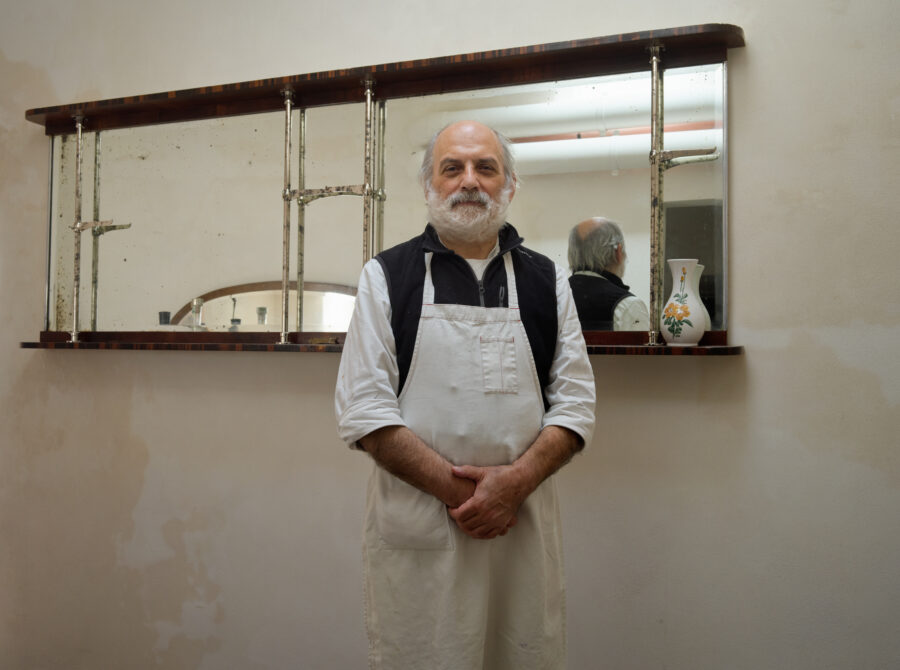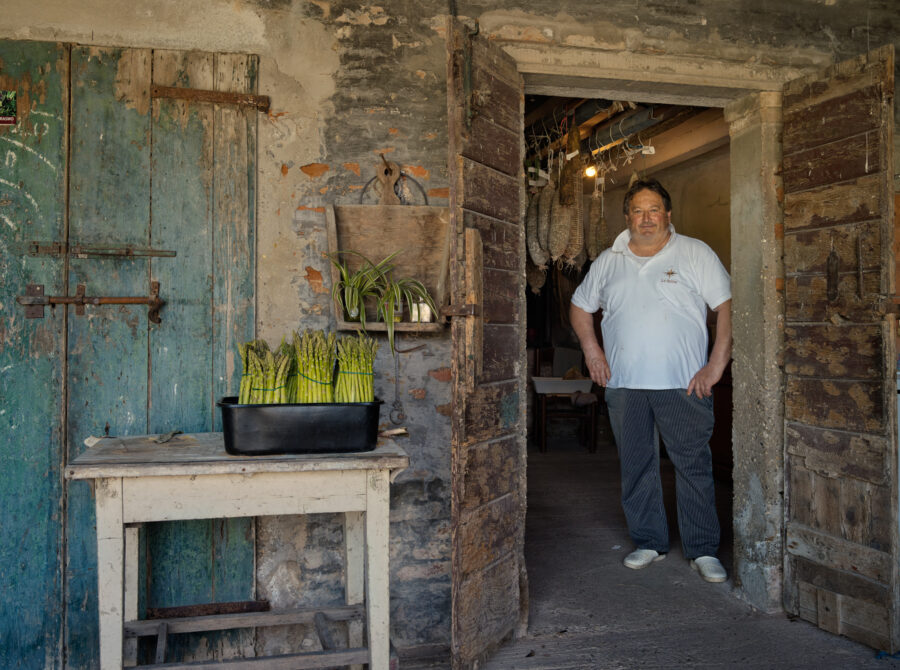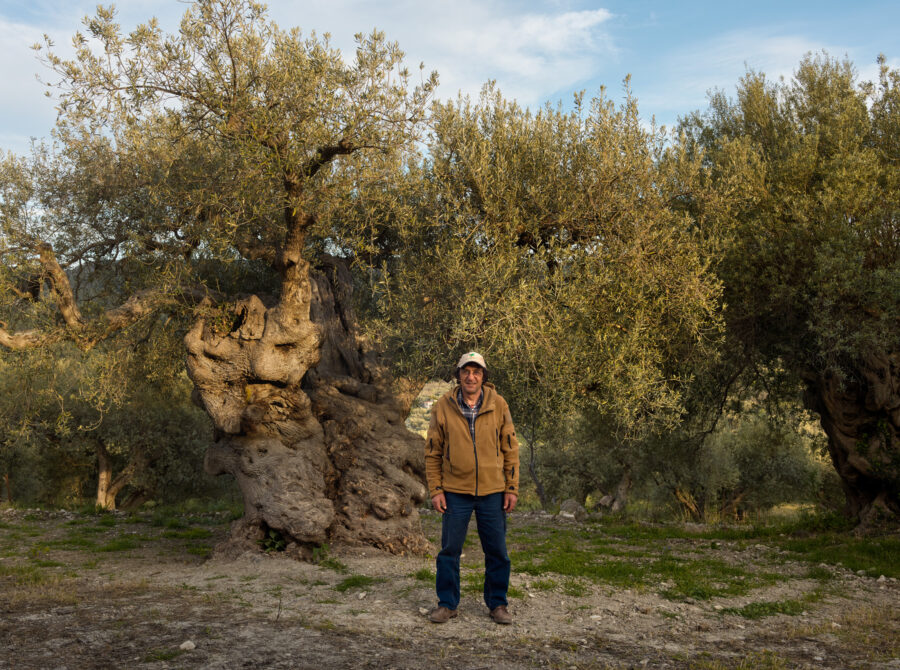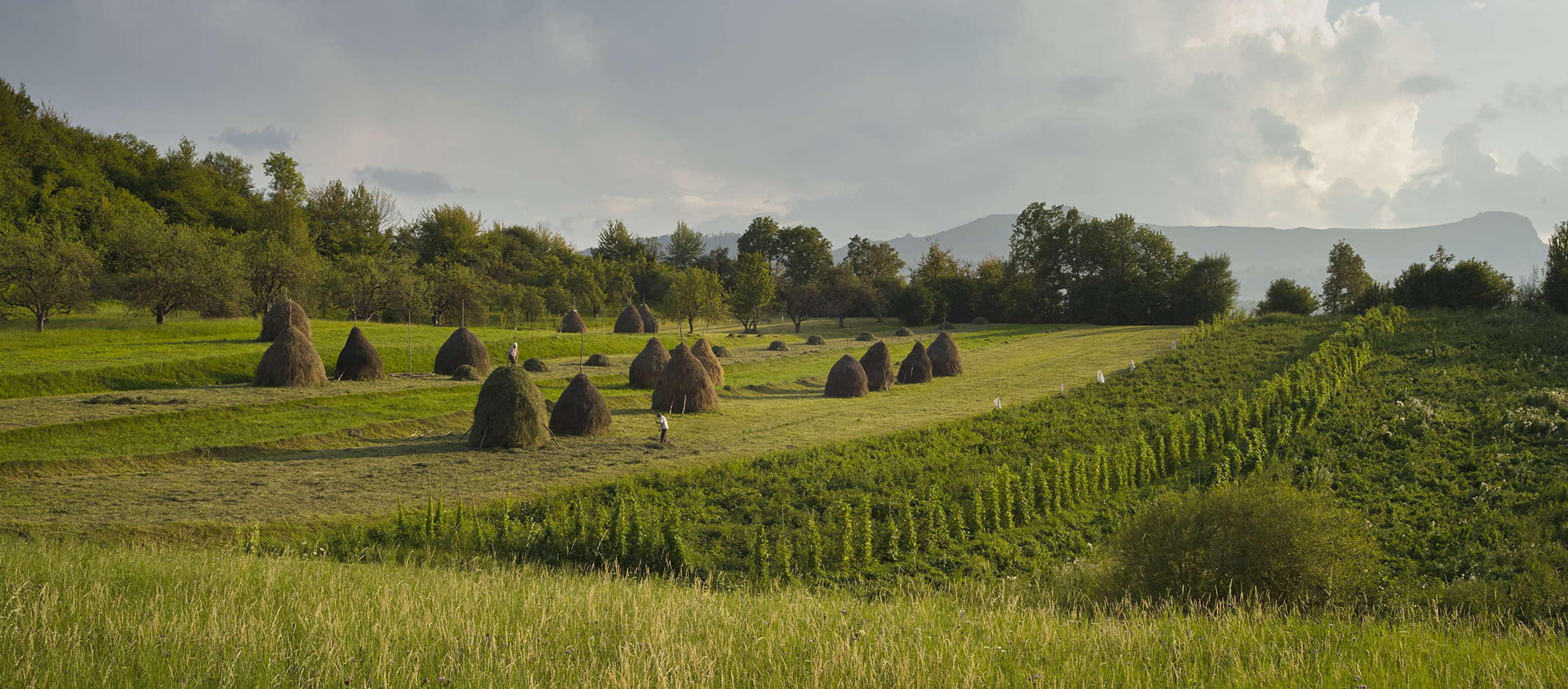
Several of the most important farmed landscapes in the European Union that have been designated “High Nature Value Farmed Landscapes” are to be found in Romania. These small-scale tended landscapes are of great economic importance.
Romania has 3.9 million agricultural enterprises, most of them family farms. Around a million farms of between one and ten hectares cover a total of 3.1 million hectares, some 20% of all Romanian farmland. They are partially self-sufficient farms that produce food for their own consumption, for local sales and for their extended families. These farms produce an estimated 25-30% of the nation’s food needs. In a country that imports a considerable proportion of its food, that is an important achievement.
High Nature Value
High Nature Value (HNV) is a comparatively new term used to describe some of the oldest and most biodiversity-rich farming and forestry systems in Europe. On this HNV land, for hundreds or even thousands of years, semi-natural habitats and wild species have been interdependent with low-intensity management by local communities.
Until the mid-twentieth century, HNV farmland and forests were still widespread across much of the EU. Since then, a combination of intensification and industrialisation in some areas and simplification of management systems or land abandonment in others, has led to the large-scale loss of HNV land in the lowlands of Northern and North-Western Europe.
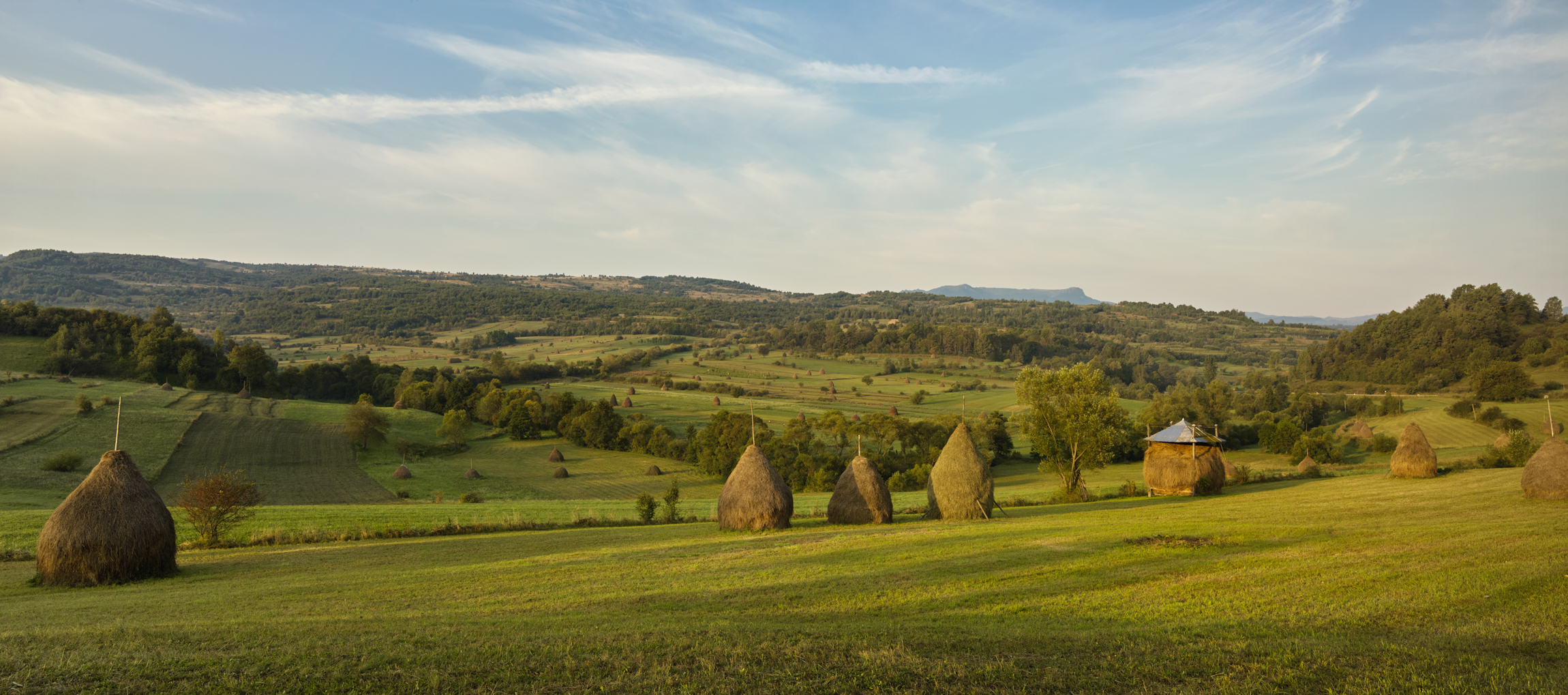
Anyone taking an early morning walk across the grassy slopes of Maramureș would think they are in a fairy tale.
This manmade landscape is the perfect symbiosis between nature and human activity. Maramureș has one of the most extensive flower-rich grasslands remaining in lowland Europe, essentially unchanged for centuries.
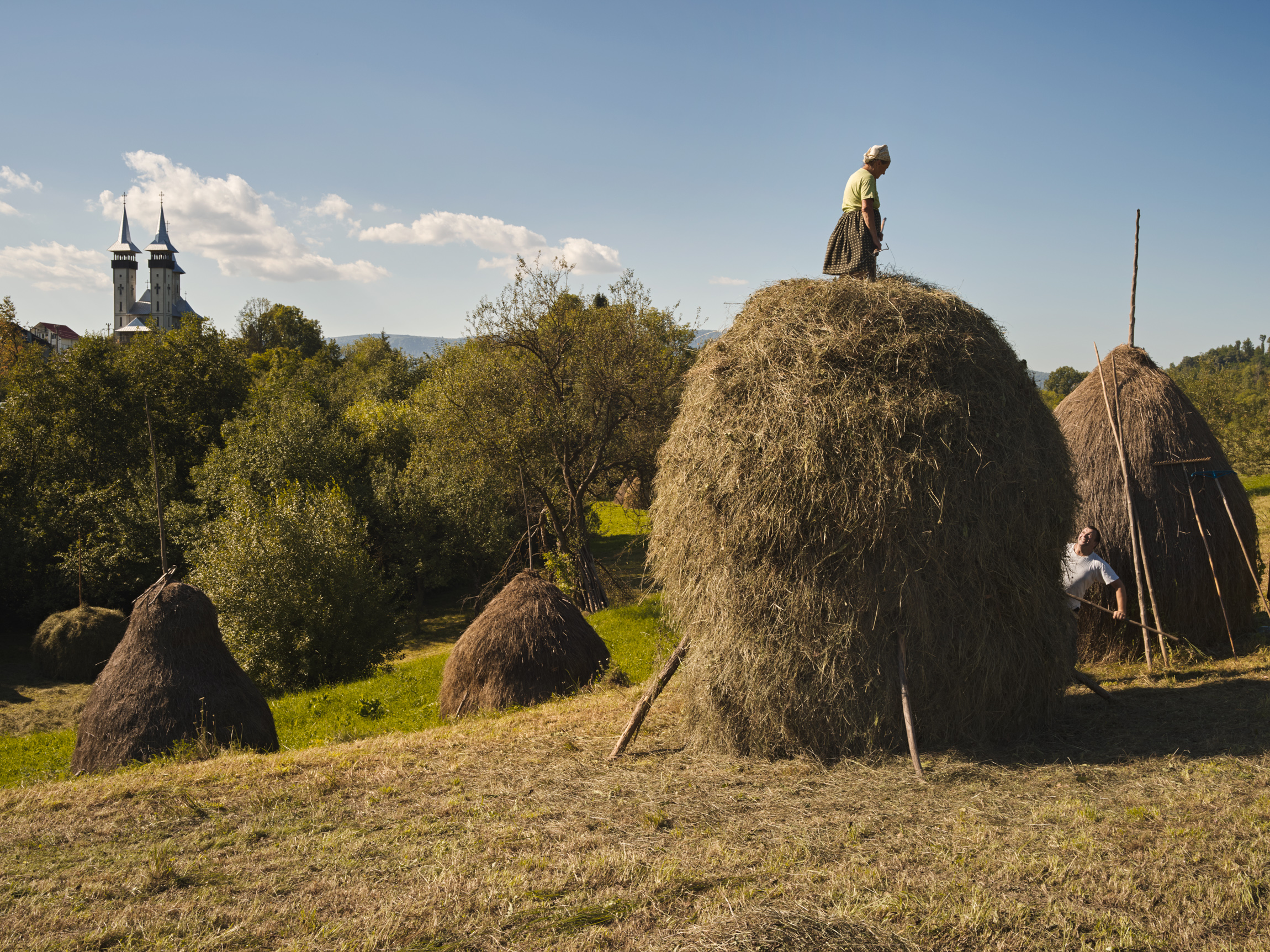
This is one of Europe’s last remaining areas of artificial, semi-natural landscape where biodiversity is richer than in wilderness areas. Fifty species of grass can be found here on just a few square metres of meadow. This floriferous miracle is not maintained by nature alone, but by nature worked by human hands.
More than 60% of the milk produced in Romania comes from farmers with two or three cows. Hardly any of it leaves the farm as milk; most of it is processed right there into soft cheese, butter and crème fraîche.
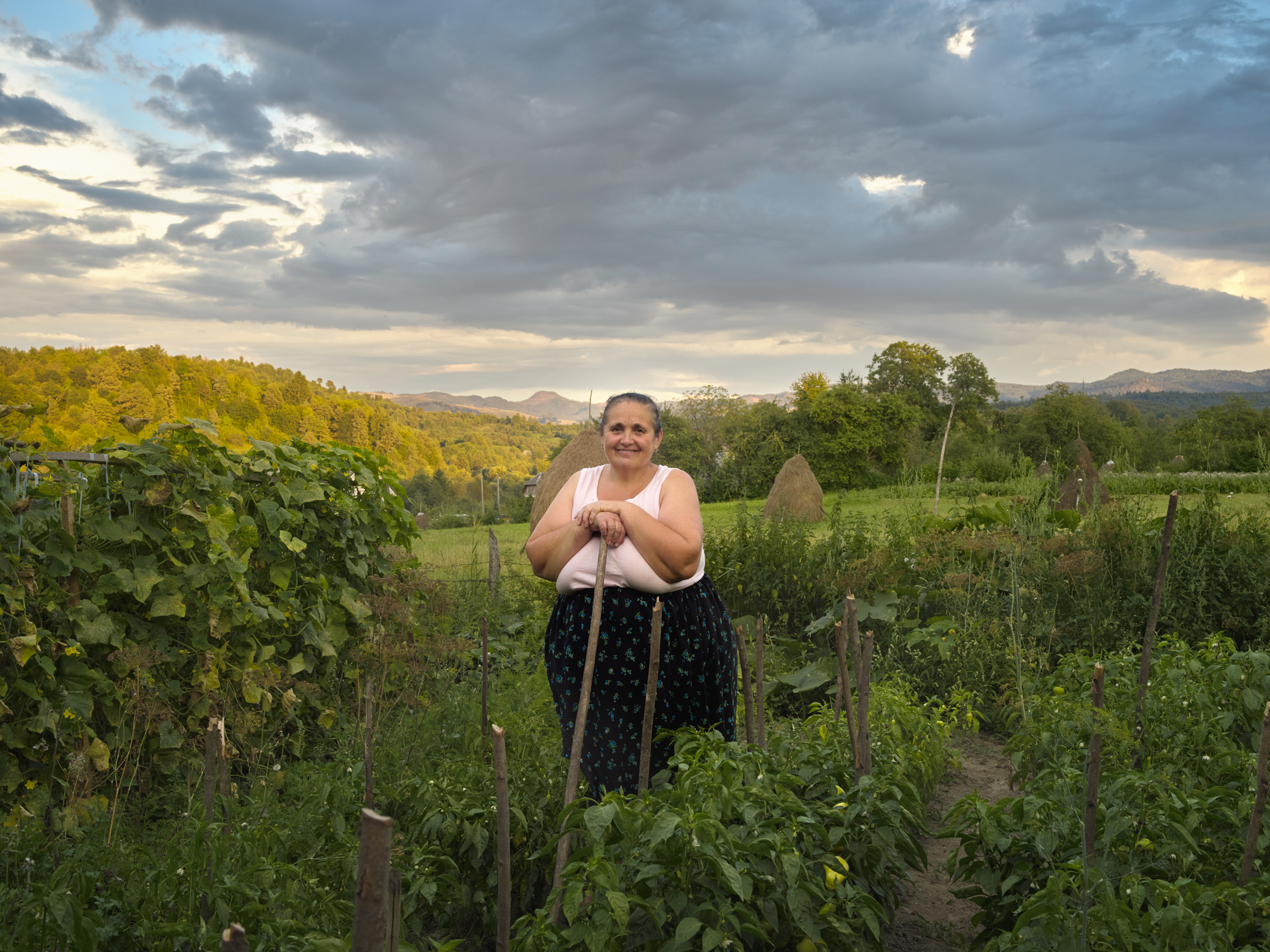 Ileana Opris
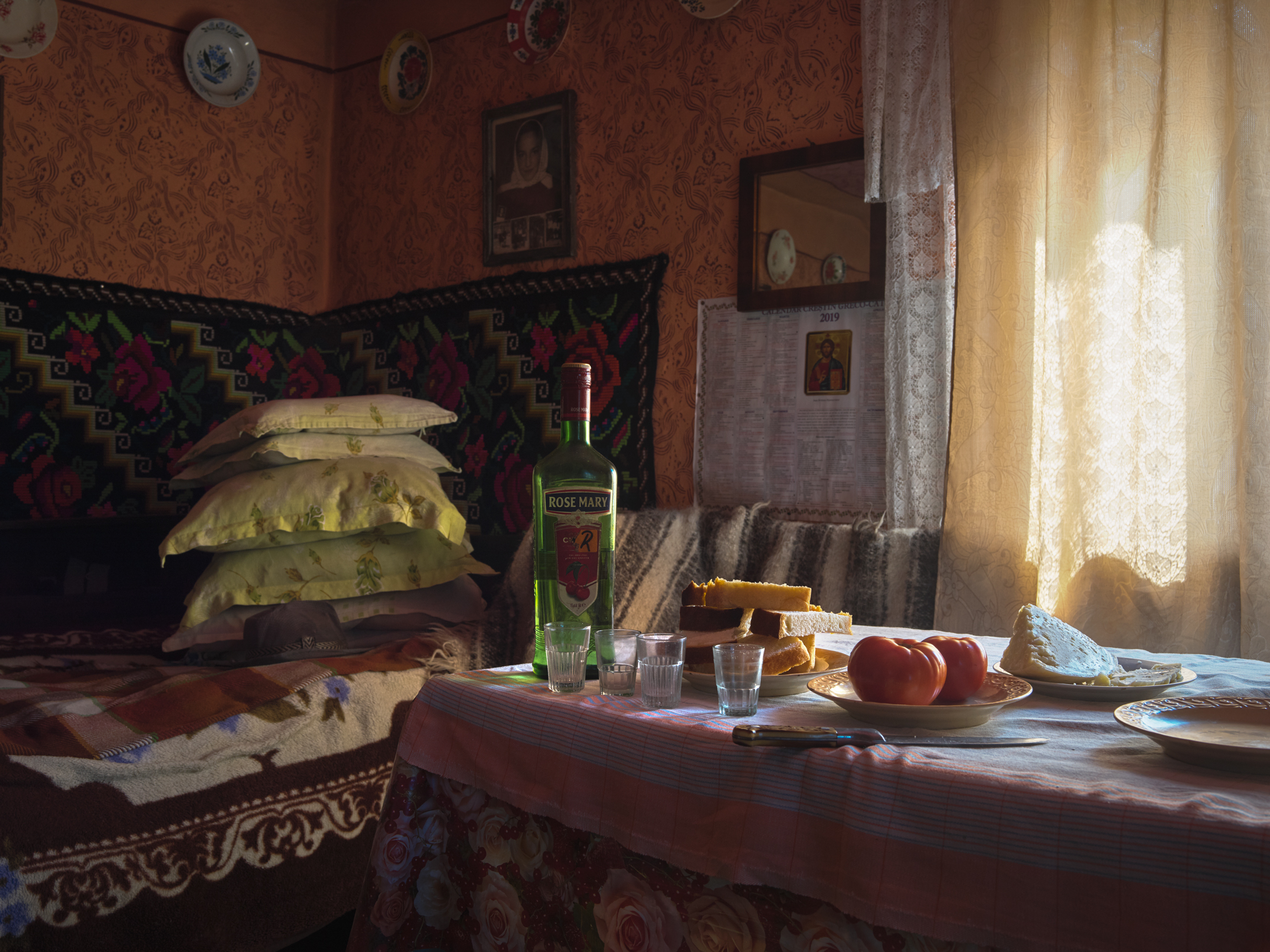
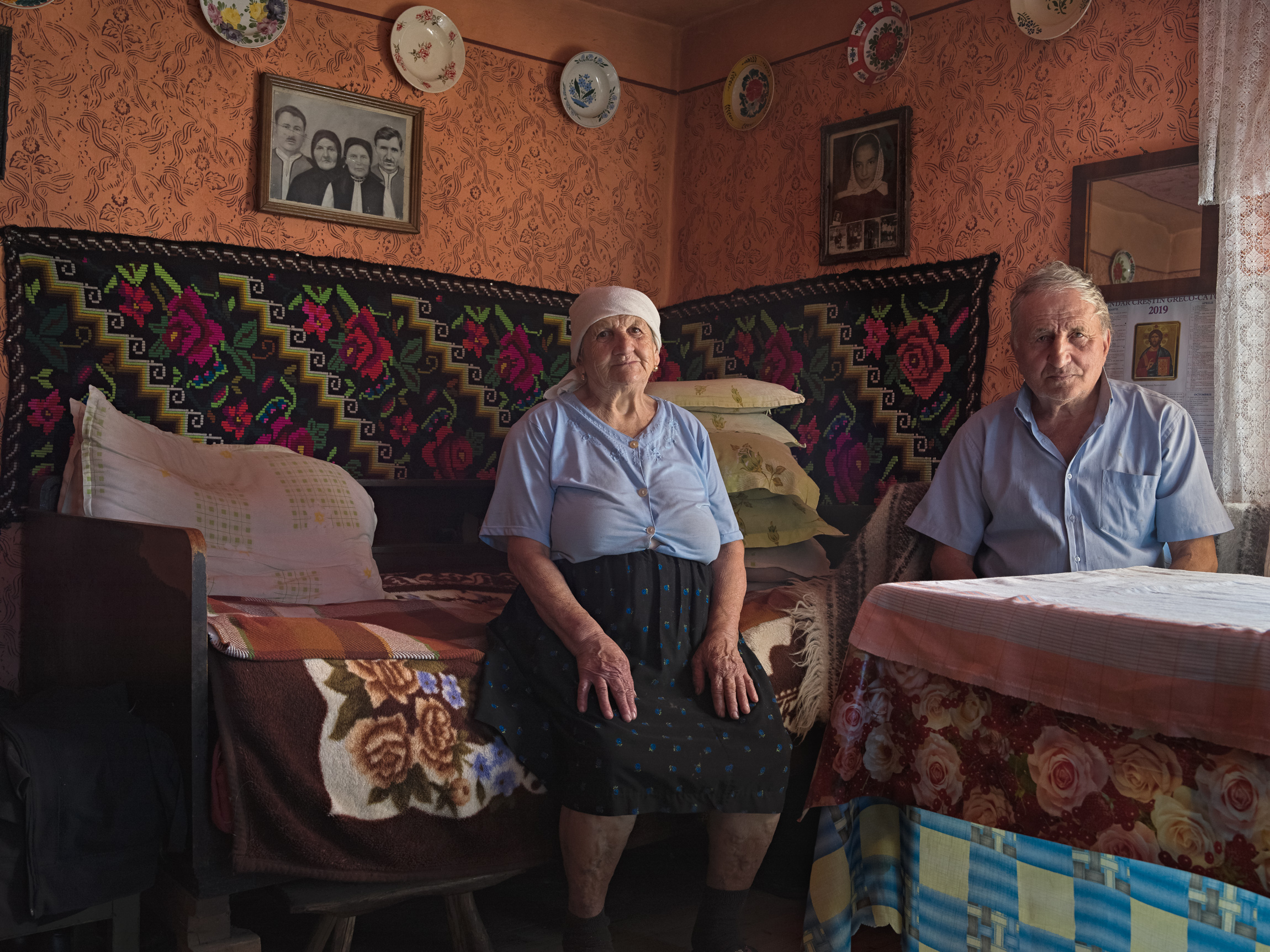
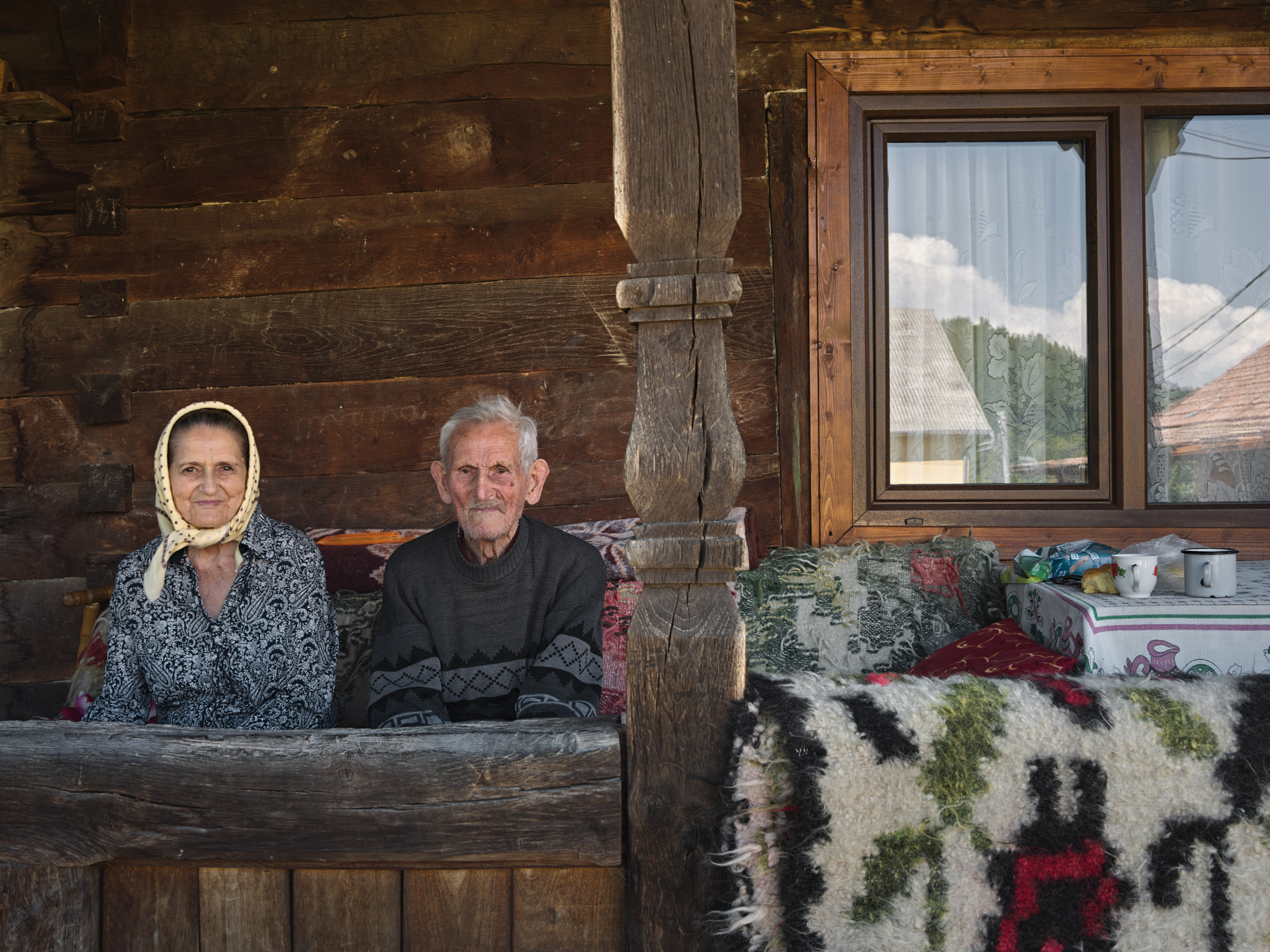
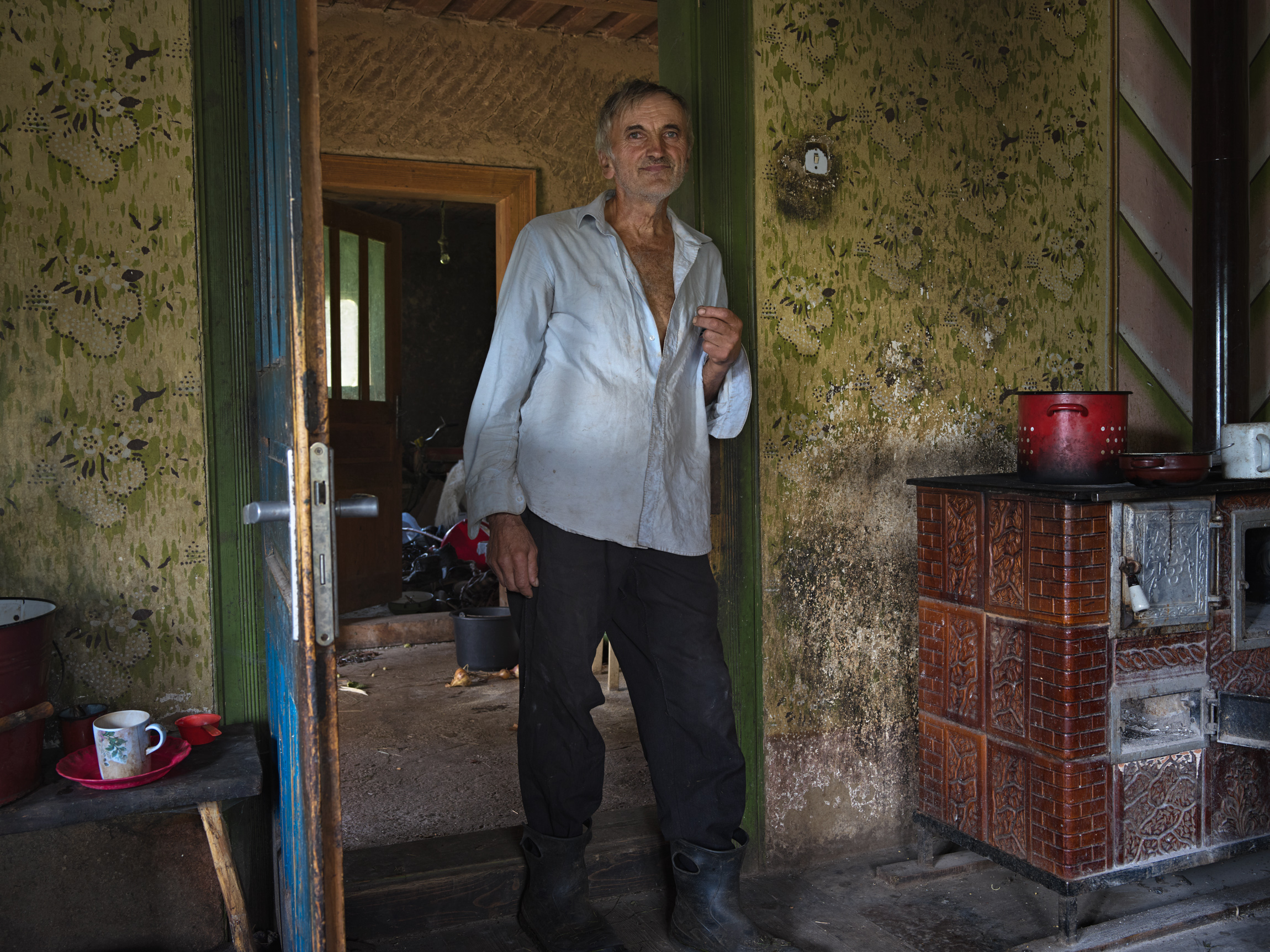
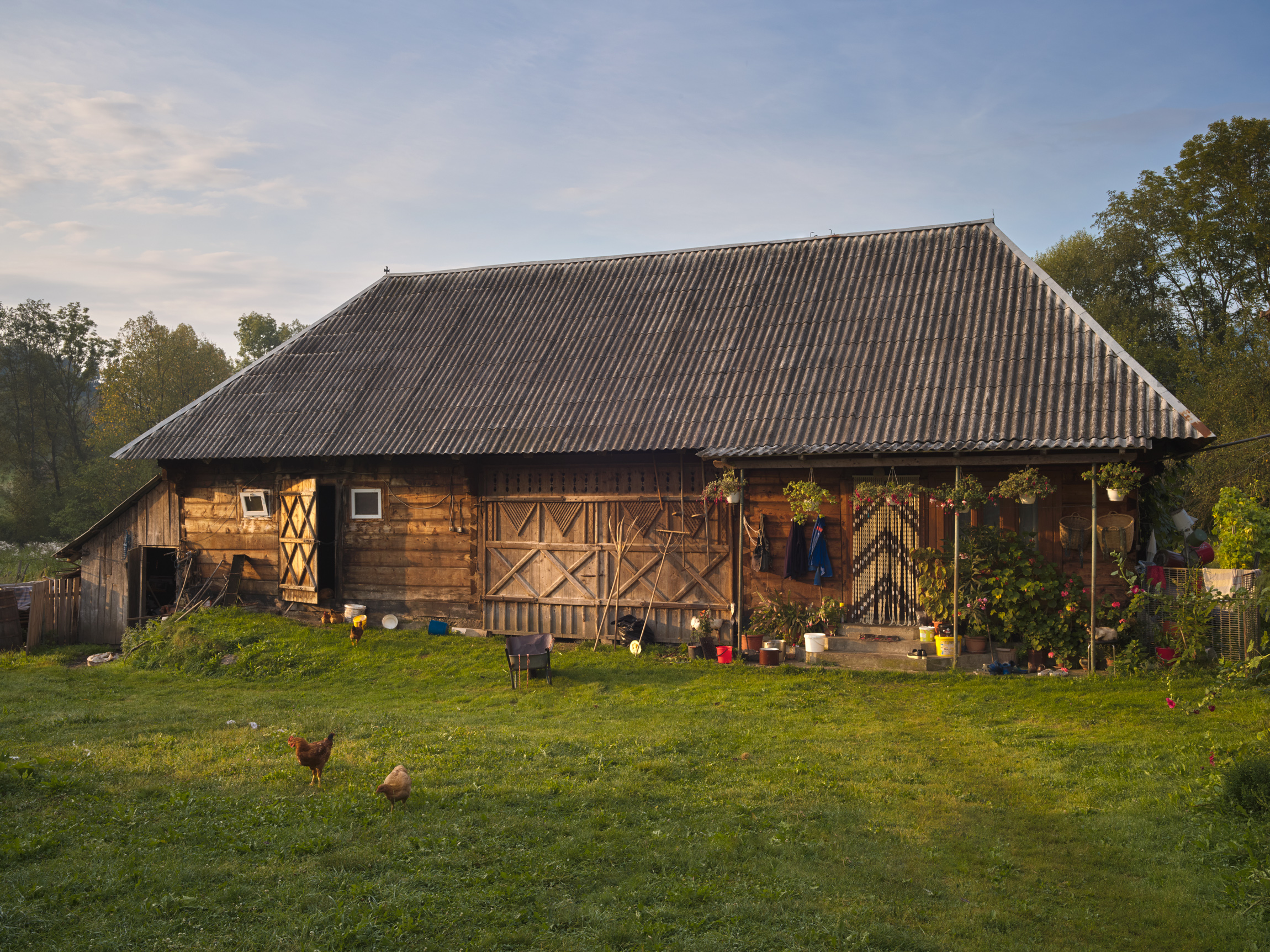
We visited the village of Breb, where we met Ileana Opris. Casa Opris was the name of our accommodation in the village. It’s an Airbnb run by Ioan and Ileana. They have rebuilt a traditional wooden house in the orchard, doing all the work themselves. They have two cows, three pigs and some chickens, and they tend a large vegetable plot. The fruit from the orchard is distilled to make Horinca. They have lived here all their lives and are one of those million farming families who live self-sufficiently. We became immersed in the deep continuity of life here, expressed in the traditions, the customs, the objects, the rhythm of the days and the seasons. Ileana is not only the sweetest hostess imaginable, she is also a great cook. The entire village agrees about that. She served us homemade bread, cheese, sausage, the most delicious pies and traditional vegetable dishes. Everything around us had been hand made by Ileana and Ioan: the carpets, the curtains and the ‘stergare’, the traditional hand-embroidered cloth with ancient symbols and cryptograms.
The little wooden house in which we stayed, the view of the landscape with the haystacks, and the men and women passing with scythes and pitchforks over their shoulders – it all might make you to think you have entered the scene of a fairy tale or a historical Hollywood movie. But this is no fairy-tale world; it’s hard to survive here. The average income of a farming family is some 4,000 euro per year. Ileana and Ioan need their high-speed internet and the additional income from Airbnb to make ends meet.
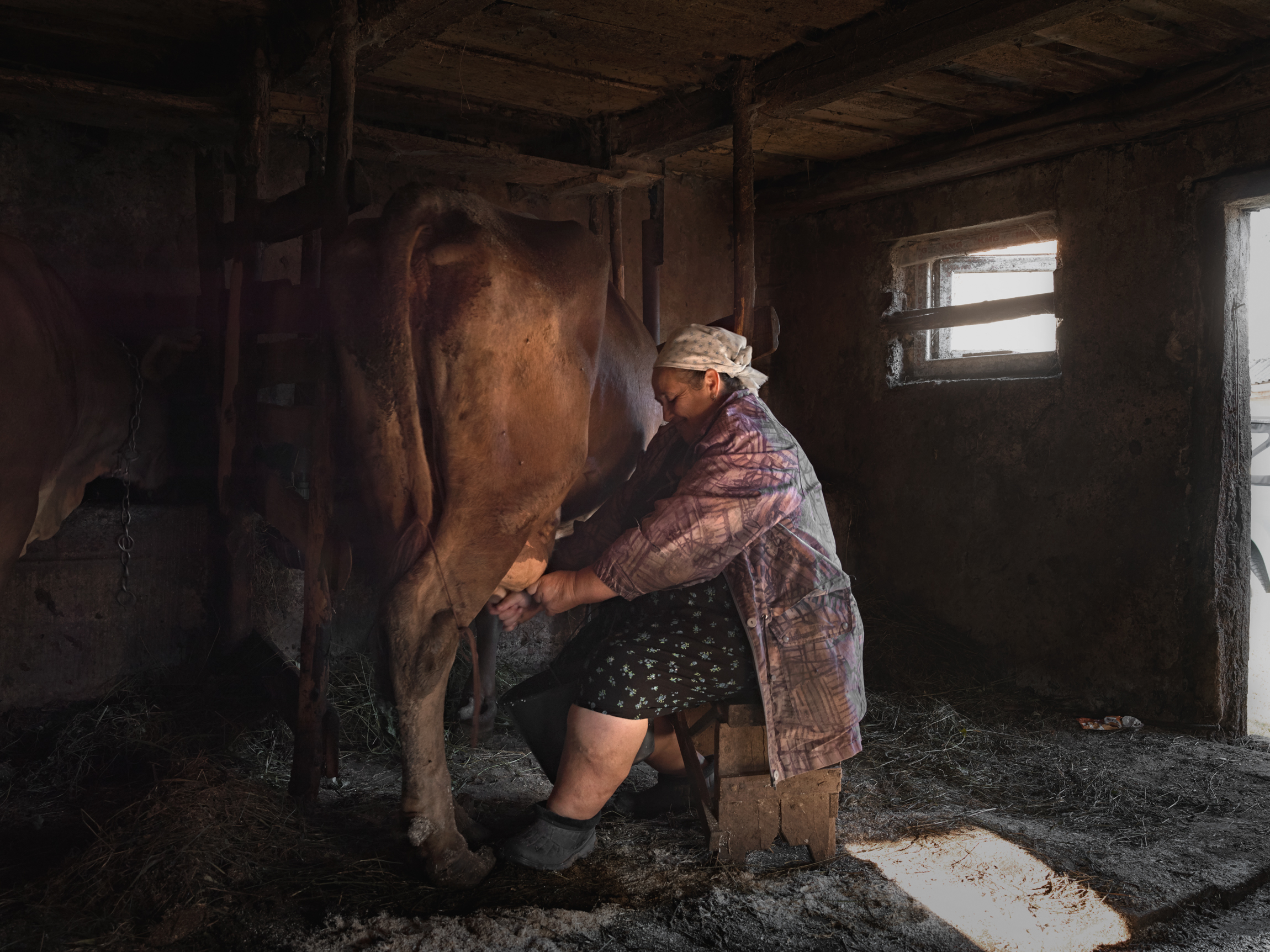
The millions of small farms are some of the last remaining areas of traditional agriculture on the continent.
They feel deeply proud of the beauty of the land they have inherited. They regard it as their job, their duty, to pass it on.
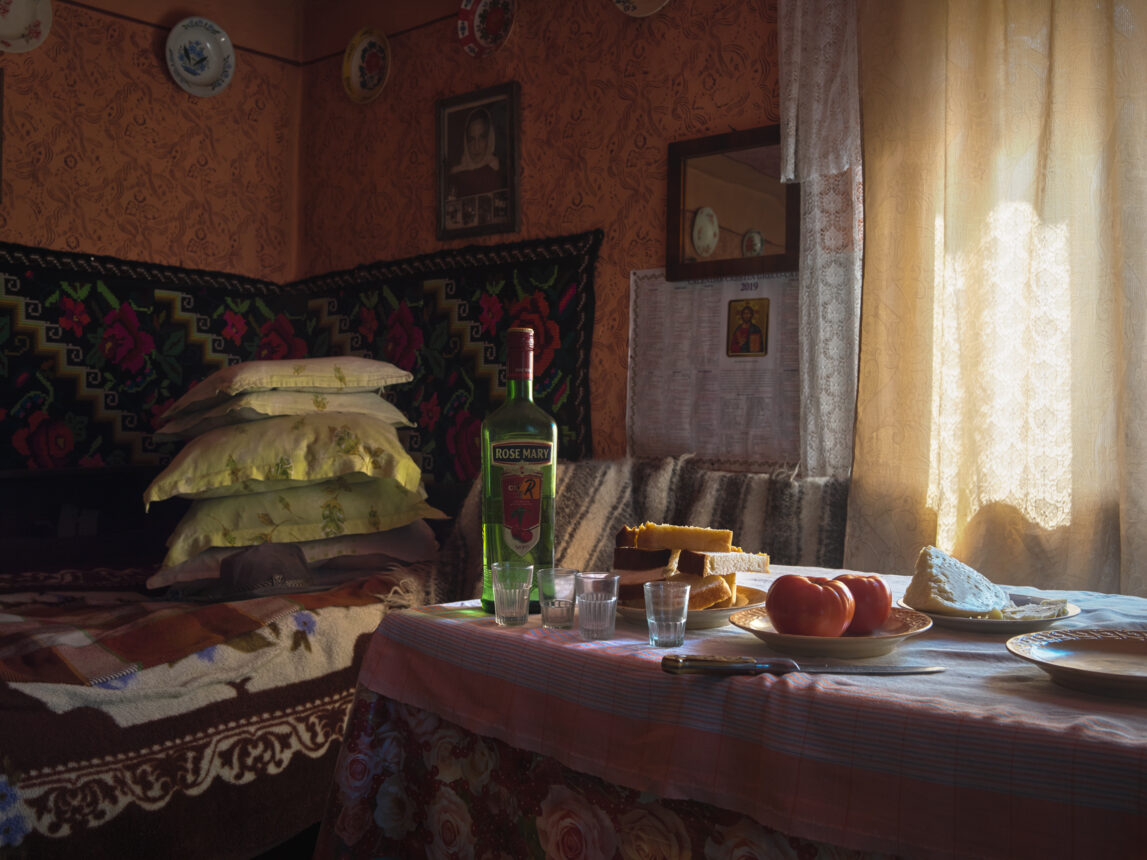
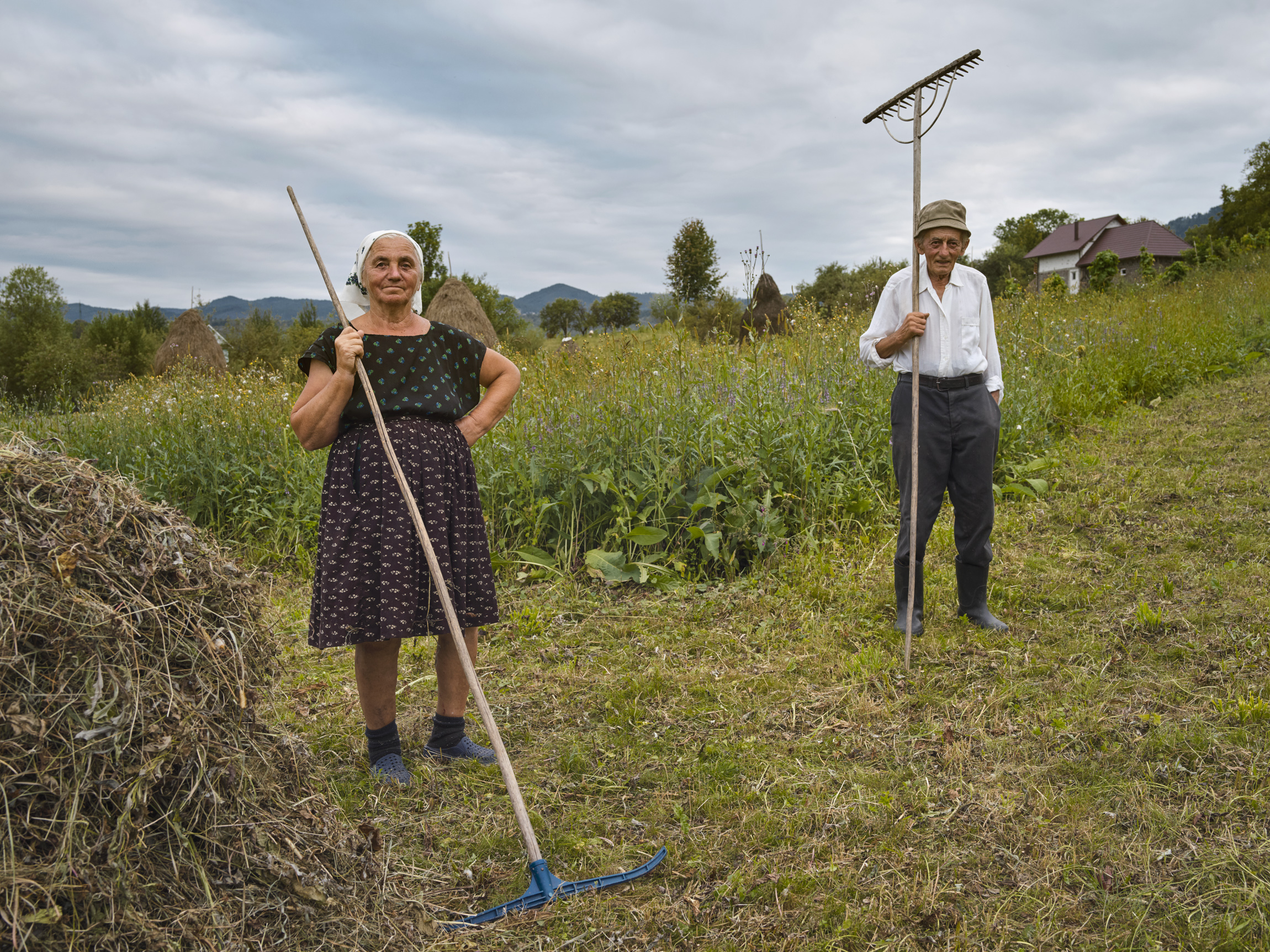
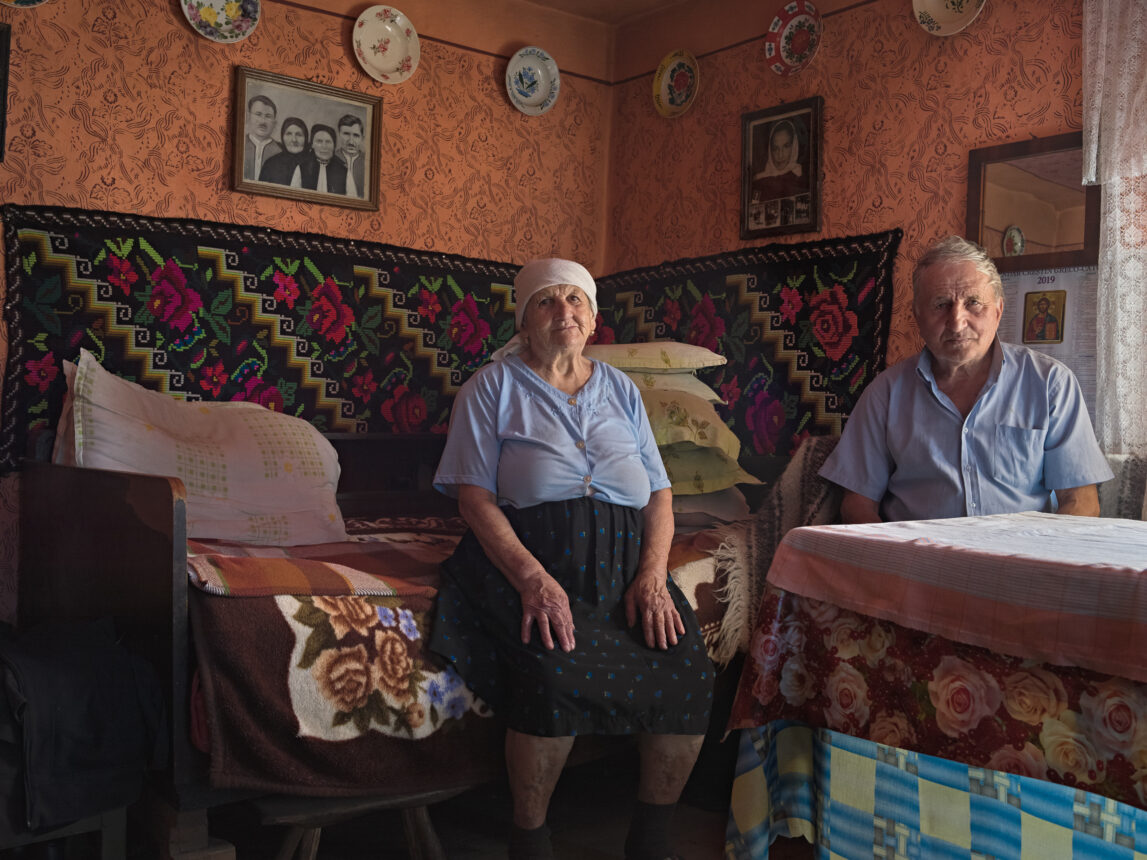 Petru and Ileana Ivanciuc
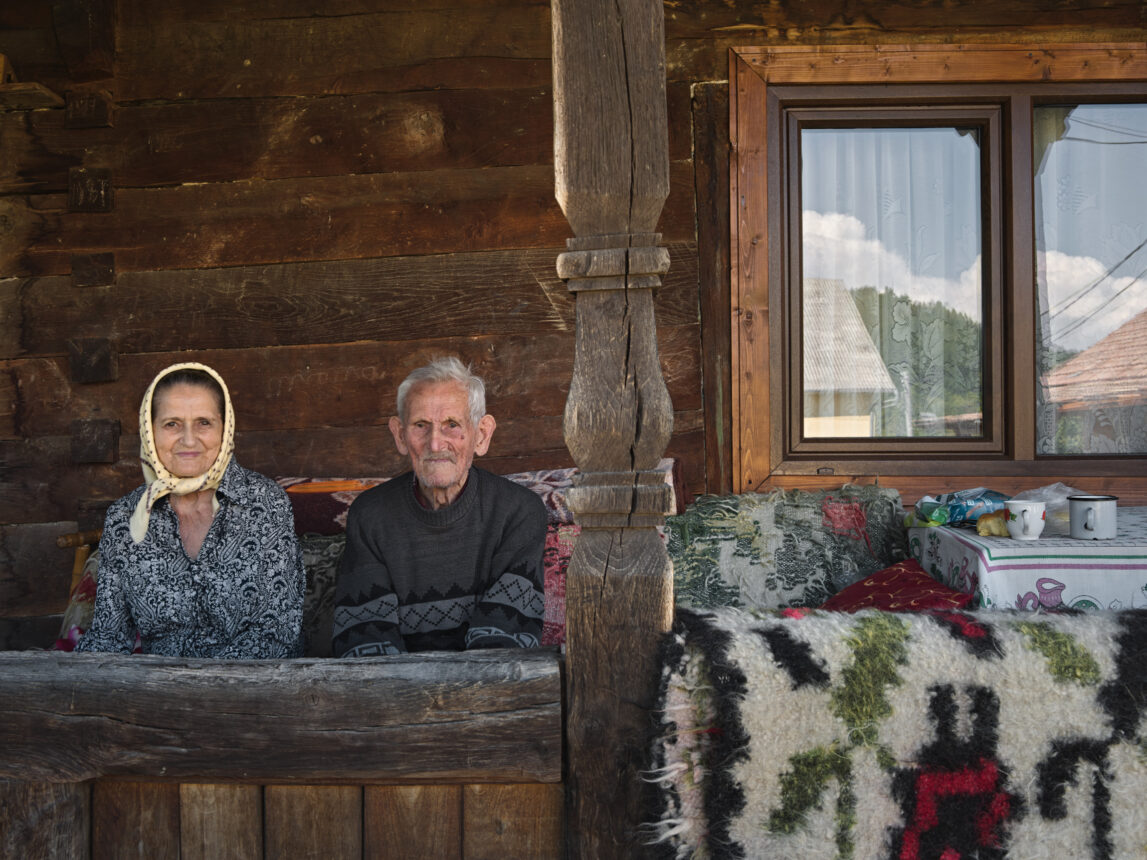 Ion Godja and his daughter Maria
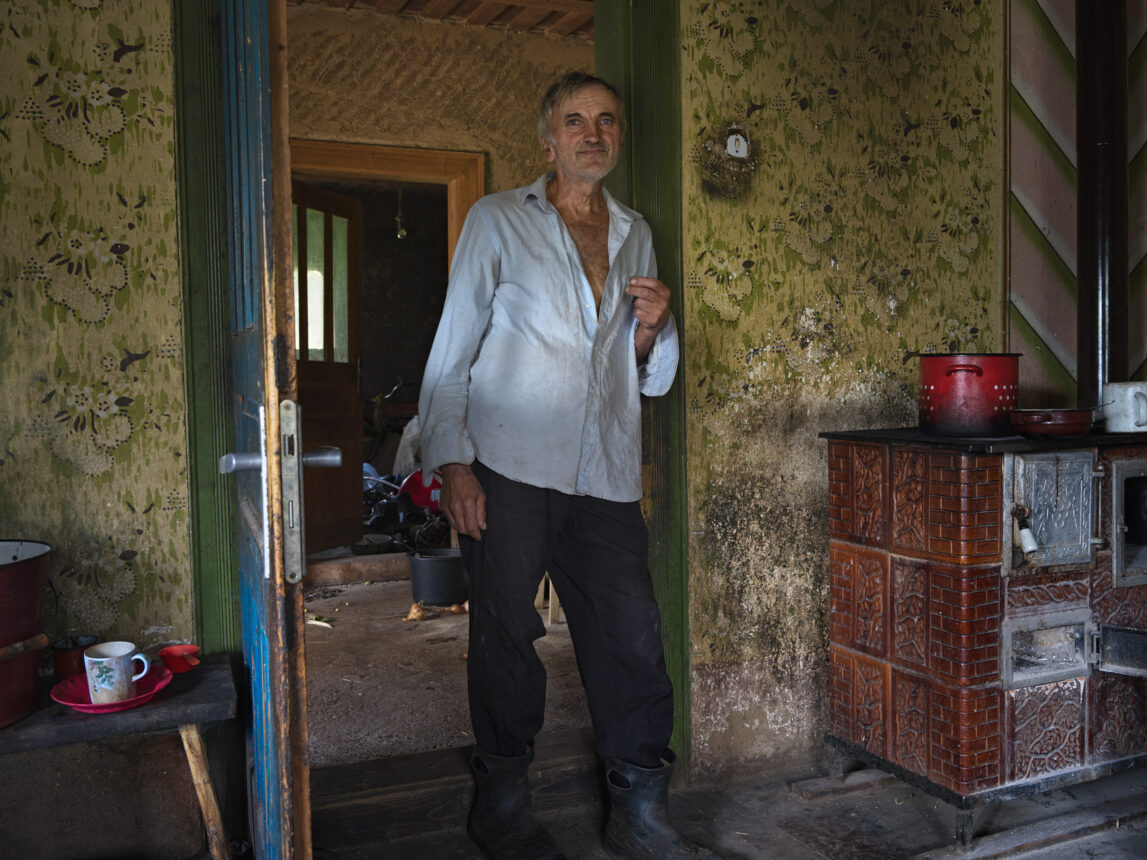 Vasile Oanea
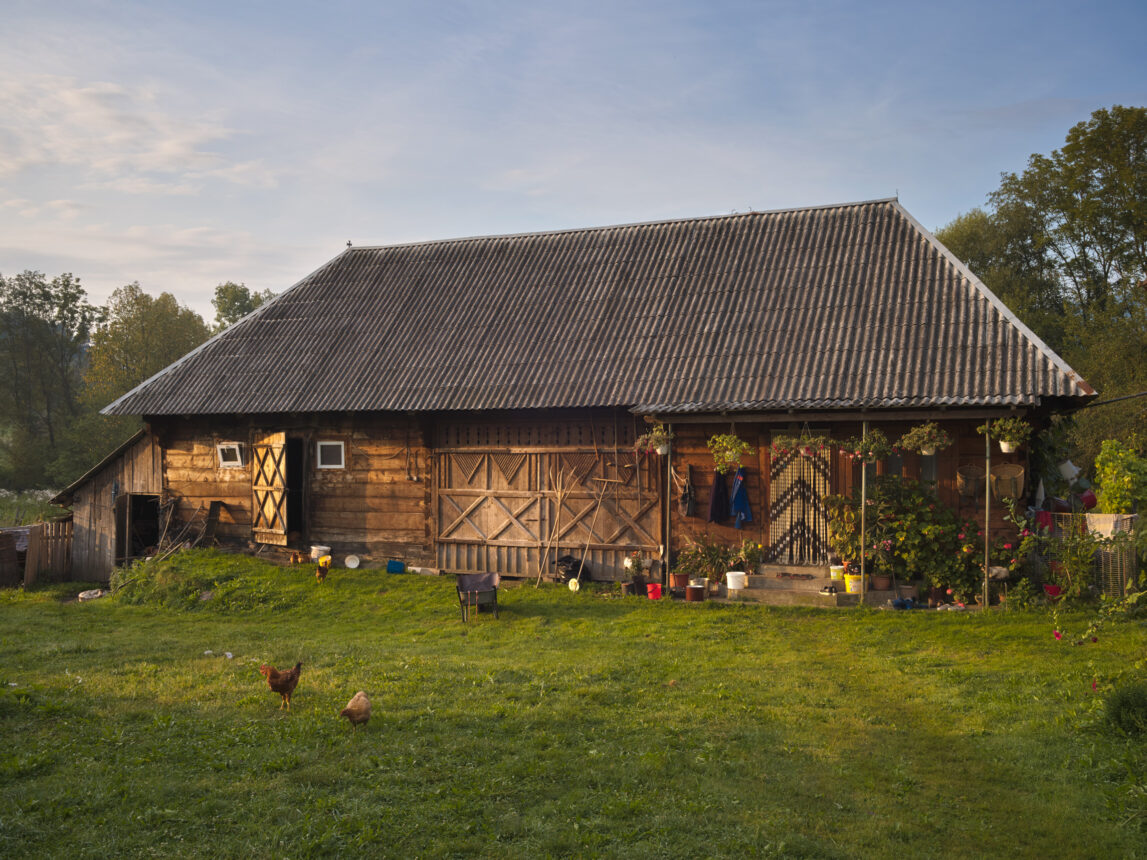 Petru and Ileana Ivanciuc
Ion Godja and his daughter Maria
Vasile Oanea
Petru and Ileana Ivanciuc
Ion Godja and his daughter Maria
Vasile Oanea
Petru and Ileana Ivanciuc
Ion Godja and his daughter Maria
Vasile Oanea
Petru and Ileana Ivanciuc
Ion Godja and his daughter Maria
Vasile Oanea
The importance of small-scale family businesses is not economic alone.
Sustainable land use, the preservation of biodiversity and other ecological, social, cultural and economic consequences are crucial benefits of HNV agriculture. Small-scale agricultural landscapes are resilient and quicker to adjust to climate change and other environmental challenges. They present opportunities for flexible agricultural activities. They are strongly associated with low-CO2 efficiency, because of their efficient, low-carbon, short food-supply chains, based on local and direct sales.
Family farms in Romania are an important source of agro-biodiversity.
Both fodder crops, including grasses and clovers, and varieties of vegetables and fruit are of crucial importance for food security; they are sources of resilience to future climate change. Natural forests and permanent semi-natural grassland both function as substantial carbon sinks, benefitting air quality and climate stabilization. Along with the low energy use of traditional agriculture and short supply chains, these landscapes and systems reduce CO2 emissions and limit climate change.