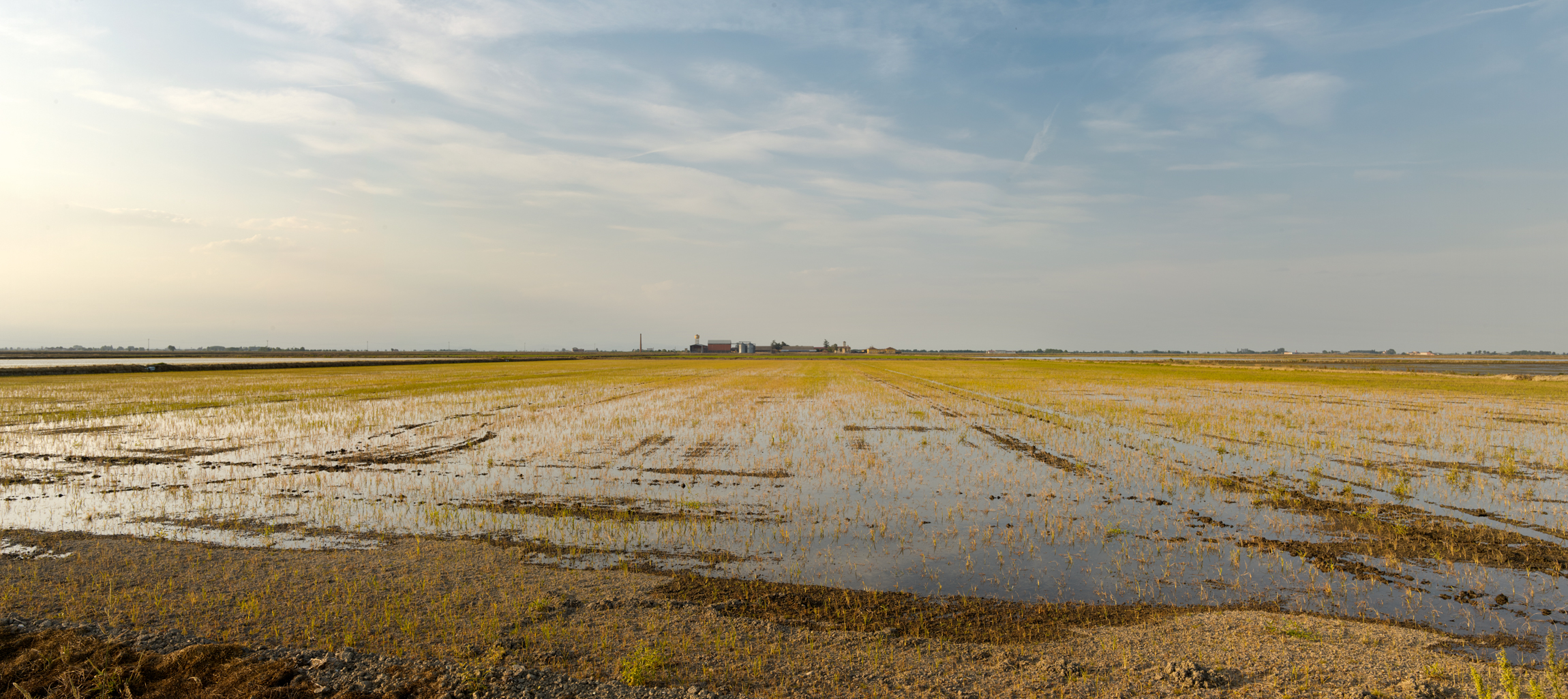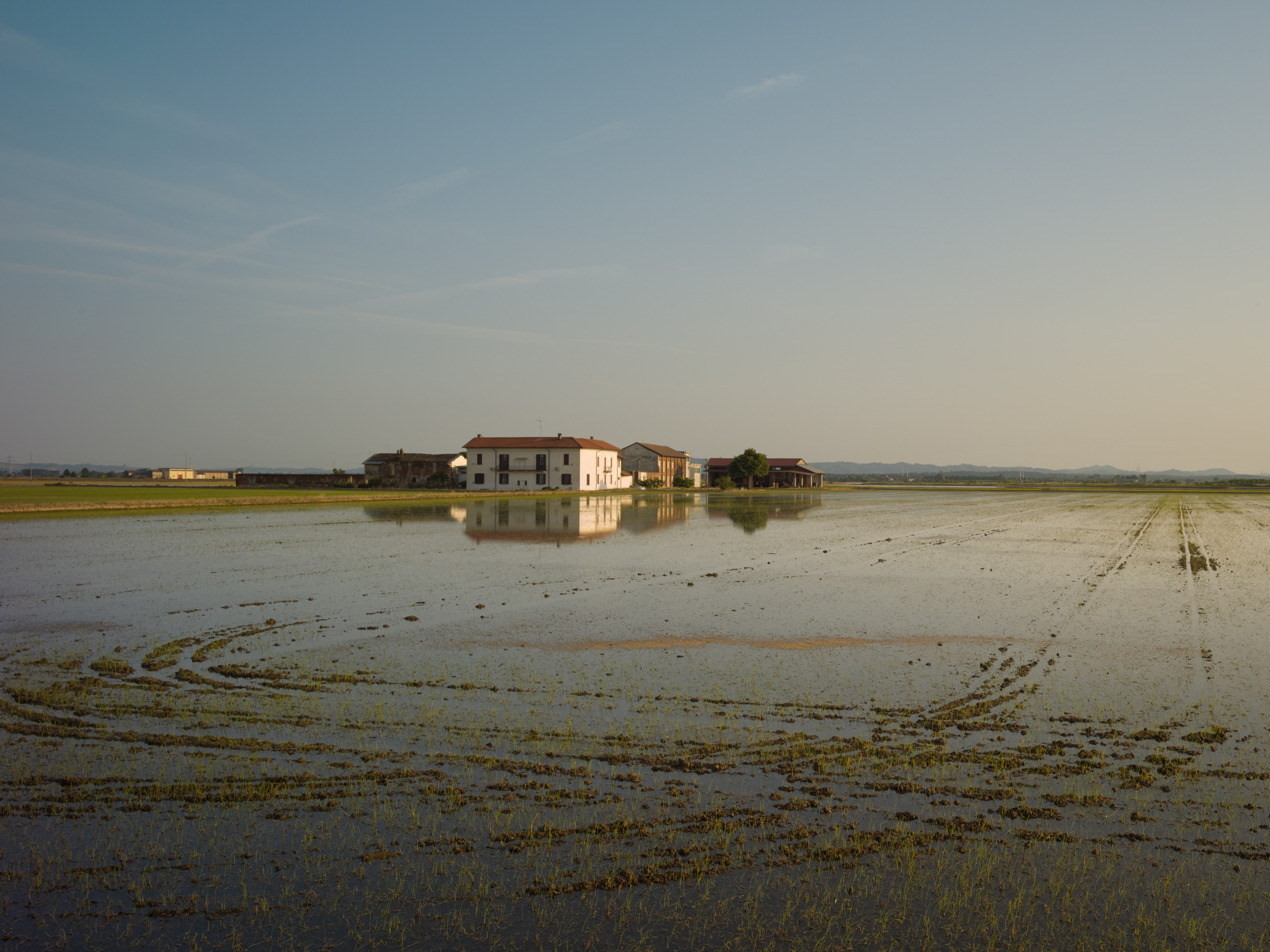
Italy is Europe’s biggest rice producer. According to the latest figures from the Italian Rice Association, rice is grown on a total of 234,000 hectares. The main areas of productivity are in northern Italy, in Piedmont, Lombardy and Veneto. Water is in plentiful supply in the northern provinces, and rice can be grown there in fields that are deliberately flooded. With more than 116.000 hectares of rice paddies, Piedmont is by far the largest rice-growing region in Italy, and within it the most important provinces are Novara, Biella and, most productive of all, Vercelli.
Rice cultivation in this region goes back to the Romans. Endlessly connected together like a patchwork quilt, the green rice paddies, with rice plants immersed in water, add up to 200,000 hectares. Little is left of the romance of a rice landscape. Aside from a few seventeenth-century estates, much of the countryside looks like a flooded industrial zone. The type of farming practiced here is simply not sustainable. True, there are some great initiatives, but less than 10% of the 200,000 hectares of rice grown here is organic, and even that figure should be taken with a pinch of salt.
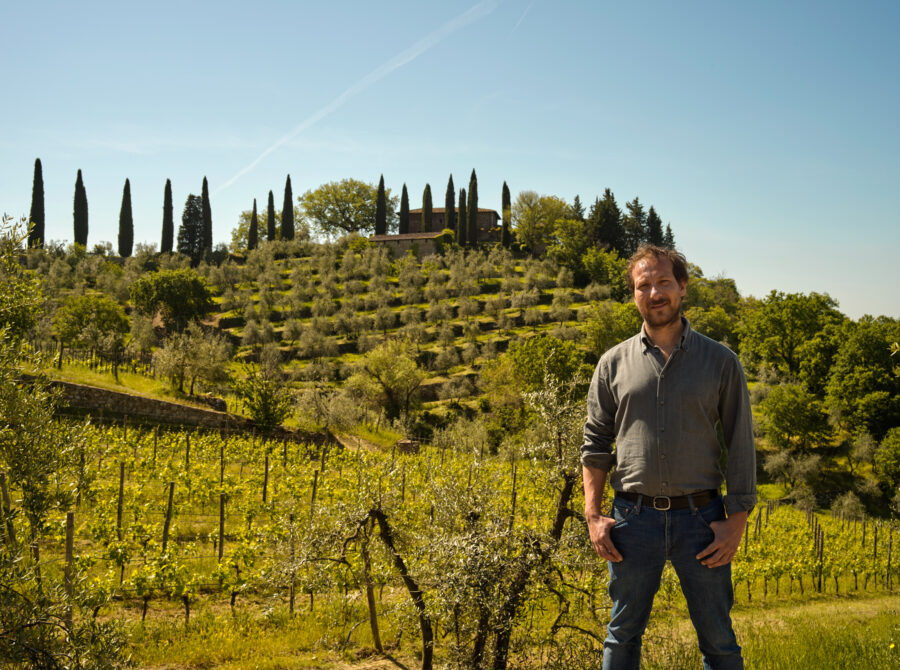
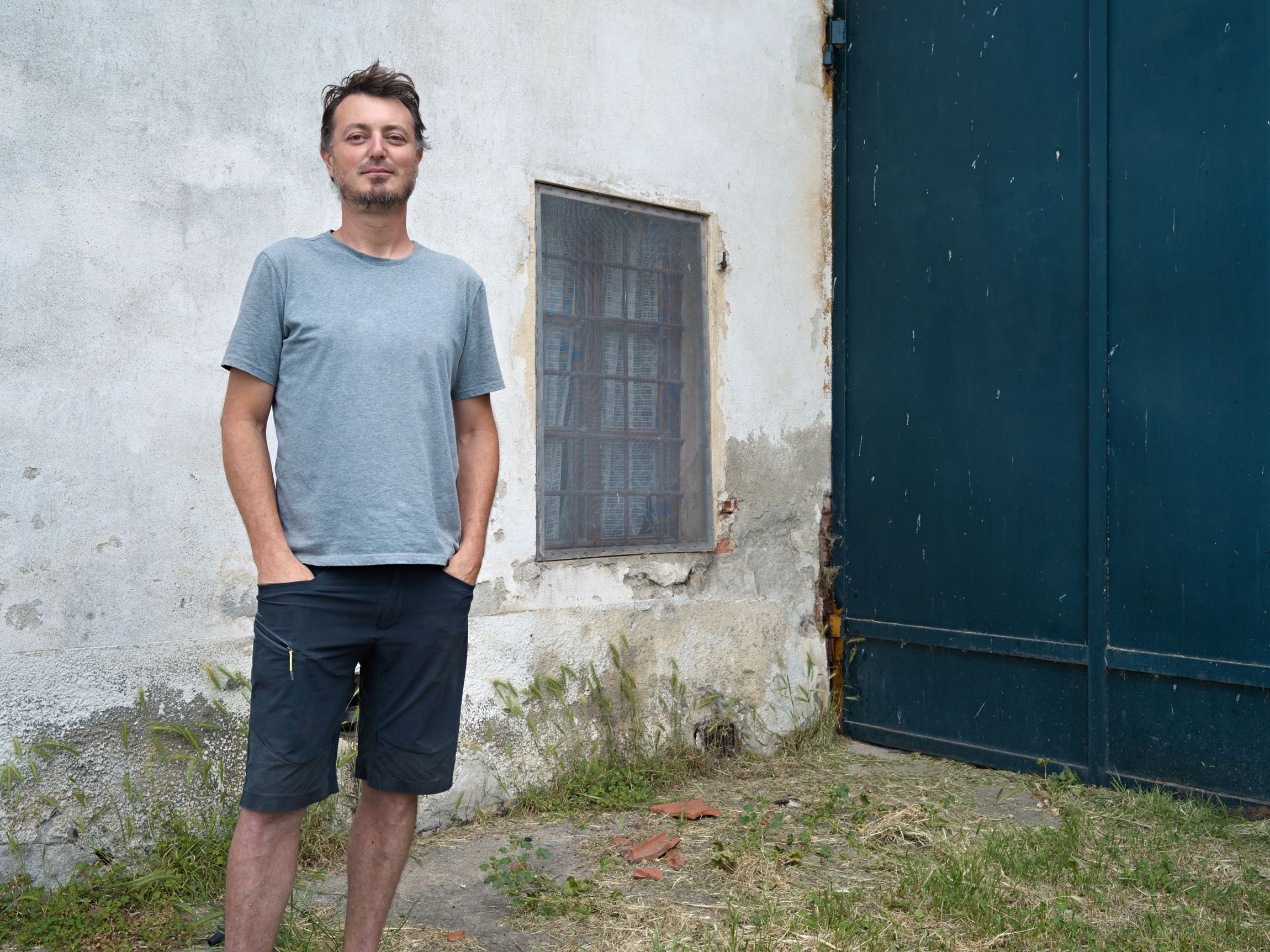 Paolo Mosca, Azienda Agricola Mosca Biologica
For me, this transition, this change, is primarily dictated by a desire for freedom and independence. Farmers entering the world of organic growing do so of their own volition. We can truly say that growing rice organically is both viable and necessary, and I’d like to add that it makes farmers happy. It’s fully organic and participates in many environmental projects, including rewilding part of its land to increase biodiversity.
Paolo Mosca, who grows high-quality rice completely organically, explained to us once again that such an approach is possible, essential, and that there’s money to be made with it, too.
‘For me, this transition, this change, is primarily dictated by a desire for freedom and independence.’
Paolo Mosca