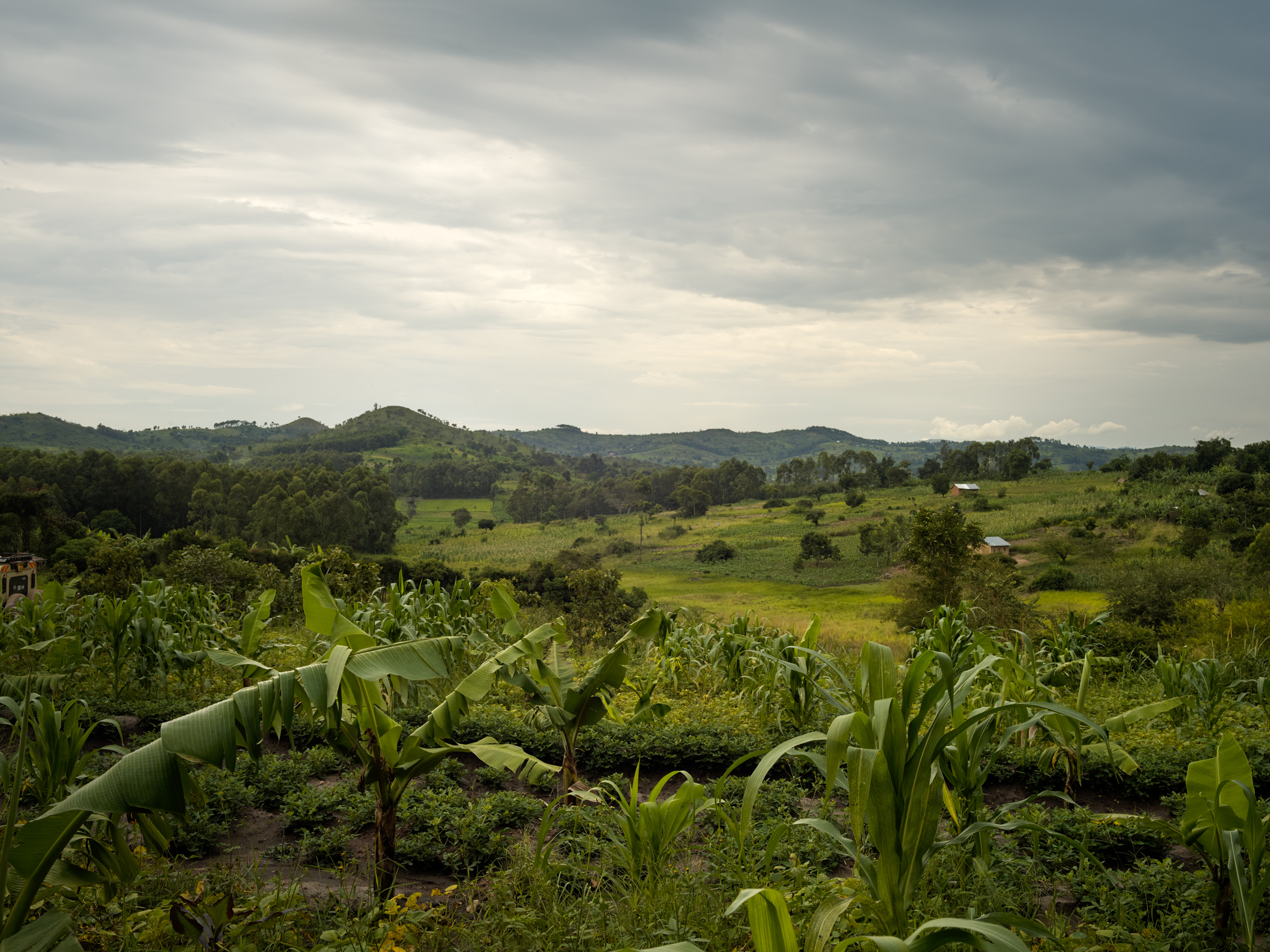
Despite the fertile soil, sufficient rainfall and a favourable climate, 37.7% of the population of Uganda lives below the poverty line of $1.25 a day, according to the United Nations Development Programme.
More than 70% of people in Uganda work in agriculture. The country has more than three and a half million family farms, and many of its smallholder farmers are among the poorest people in the world. Ironically, and tragically, they are also the people who most often suffer from hunger.
Key Facts
More than 90% of the 570 million farms in the world are run by an individual or a family and depend mainly on family labour.
Family farms produce more than 80% of the world’s food in terms of value, which confirms the central importance of family farming to global food security both today and for future generations.
The vast majority of farms in the world are small or very small. Farms of less than two acres account for 84% of the total but control only 12% of all agricultural land.
Agroecology projects for farming families
Koppert, partner in Resilience Food Stories, supports a number of local aid organizations in Uganda through the Koppert Foundation. They are organizations that focus on training and the implementation of sustainable agroecology projects for farming families in the west of Uganda. The agroecological interventions made by the aid organizations are intended to help the most vulnerable. Hundreds of farming families have so far been given practical training in sustainable organic farming techniques.
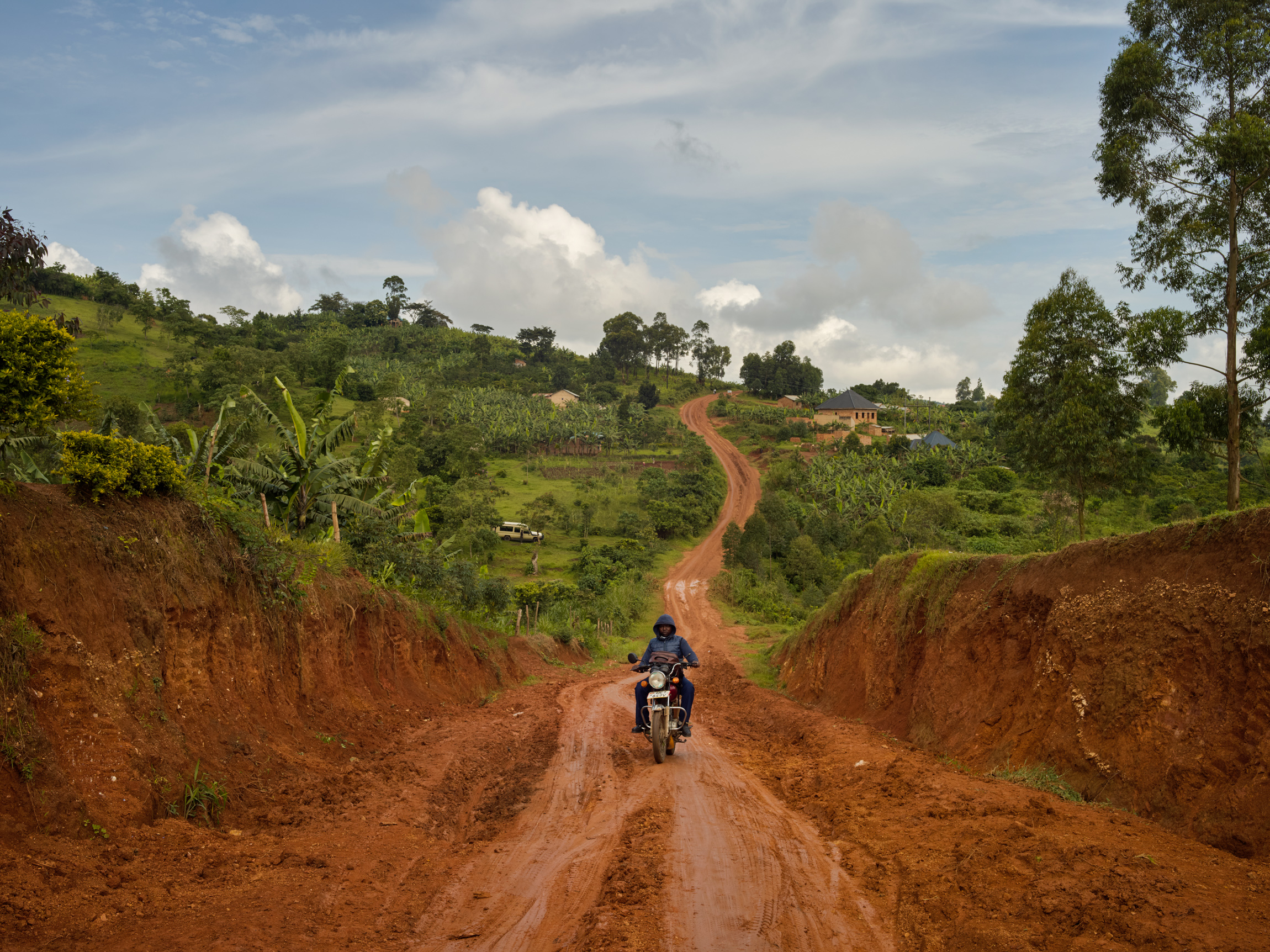
We left Kibale early in the morning for the long trip to Kamwenge, where we were to meet Allen Byamaka, director of COSIL, and Enock Ayenbale, its head of agricultural production. Together with a small staff, they run the COSIL project. After hours of driving along dirt roads, the COSIL office took a bit of finding. There were no gleaming Toyota Landcruisers parked outside, and the building and its interior testified to frugal overheads.
COSIL develops and implements a sustainable teaching and agroecology project for farming families.
The project focuses on 750 farming families in the Kitagwenda district in the west of Uganda. Based on the concept of food sovereignty, agroecology goes further than simply the sustainable production of good food. It challenges the deliberate efforts on the part of the food industry and its proponents to concentrate all thought and action purely on the production of food. Agroecology will enable many smallholders farmers, most of whom are women, to lead a dignified life when conventional agricultural inputs (seeds, artificial fertilizer and chemicals) fail to meet the challenge of the effects of climate change, such as drought and floods. The use of agroecological practices will allow farmers to withstand such changes by growing crops from a variety of adapted, traditionally preserved seeds of small grains, a wide range of legumes and leafy vegetables.
Allen and Enock are both likeable men, driven by the impact that their interventions have on the lives of the farming families who participate in the project. Allen gave a presentation about the work of COSIL, its vision and its mission, and plans were made for us to visit several of the families. Enock, who studied agriculture and was a smallholder himself, told us about that experience.
‘When I’d just got out of university, they were teaching us that if you want to improve agriculture, you can do so only by practicing the conventional methods, which were called the improved methods of farming. But actually, when I tried to practice them on my farm, it was a mess.
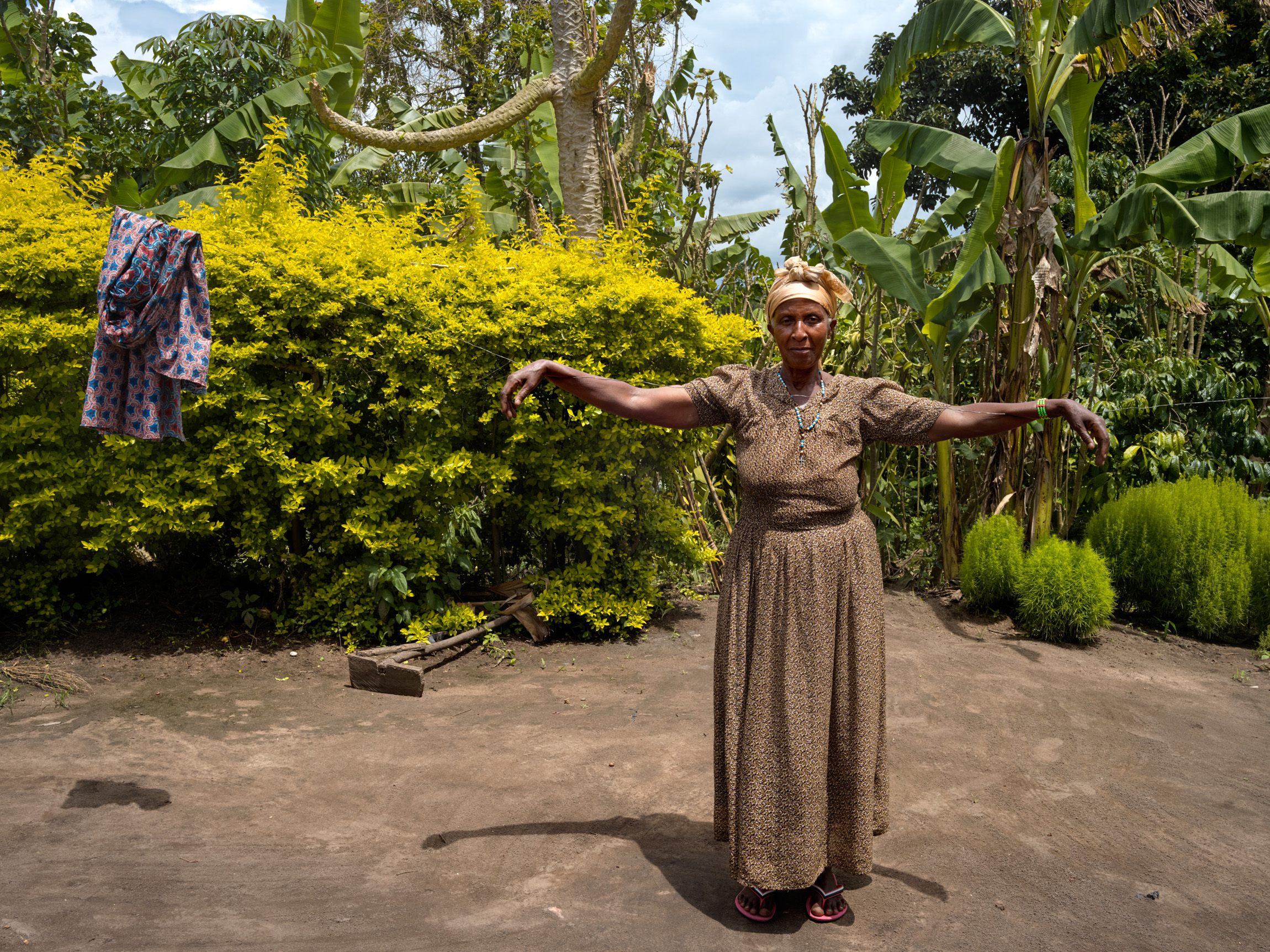 Dinavence Ekibahirire
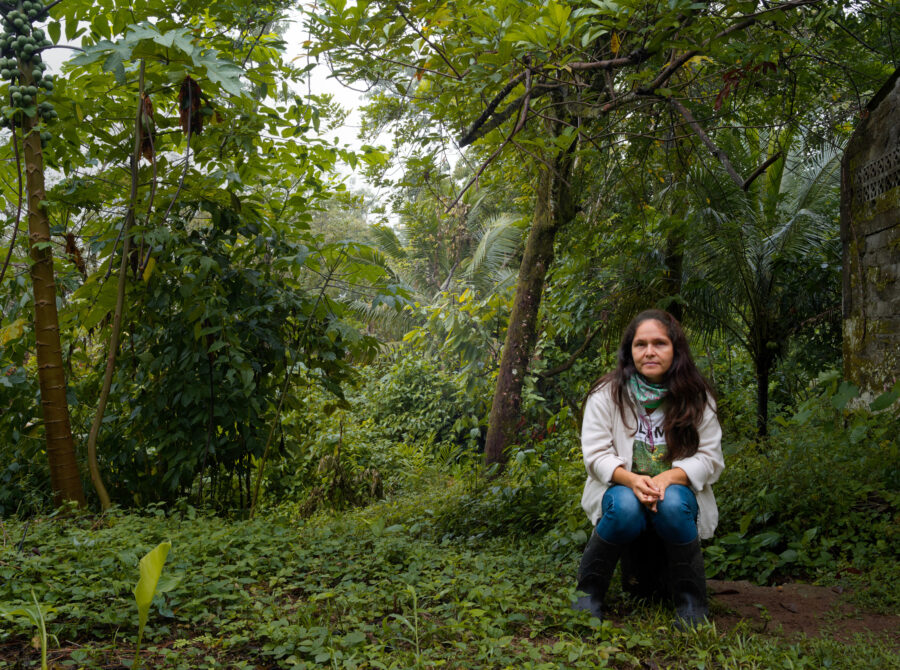
Before Dinavence started taking part in the project in January 2022, she was already growing various crops to feed her family. She used the conventional farming methods that are known euphemistically in Uganda as ‘the improved methods of farming’. She objected to the use of chemicals, and she had seen a large proportion of her harvest going to pay for all sorts of inputs: agrochemicals, artificial fertilizer and seeds.
Dinavence (61) is a widow who has a four-acre piece of land in Karubuguma in the west of Uganda. She is one of three and a half million Ugandan smallholder farmers, and one of the 750 who are participating in COSIL’s agroecology project. She has become an important ambassador for the community and she enjoys showing and demonstrating her newly acquired knowledge. The results are spectacular. On the small quarter-acre plot where she grows beans, she has seen yields increase from 50 kilos in previous years to 250 kilos this year.
Her daughter-in-law, Pheamah Nantume, who grows vanilla and supports her, lives nearby.
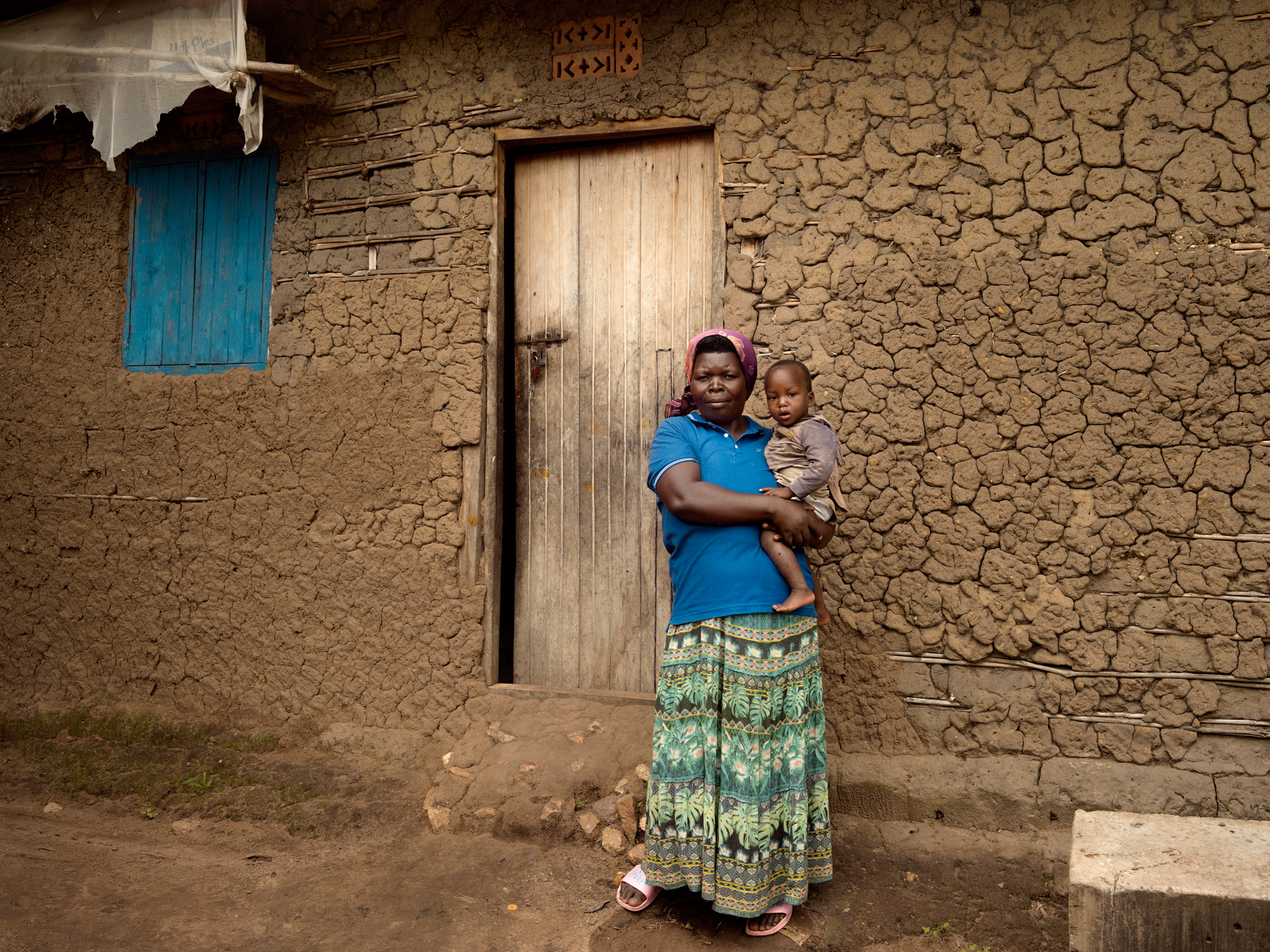 Pheamah Nantume
Contrary to a widespread perception, smallholders using sustainable farming methods can be extremely productive.
A large study found that when sustainable agriculture was adopted, average crop yields increased by 79%. Furthermore, sustainable systems were found to be more diversified, with yields often made up of more than a dozen crops and various animal products, thereby raising productivity per hectare. Higher yields mean increased household food security and higher household incomes, especially when money is saved by using less fertilizer and fewer pesticides.
Source: FAO.Org
Imelda Tumuhairwe lives with her husband, three children (the third of whom is adopted) and two male staff in Kapapali Village, Nyakacwamba parish, in the west of Uganda, where she runs a small coffee plantation on six acres of land. She is patently responsible for running the business and has clearly expressed opinions. Imelda did not believe in organic farming and instead adhered to the ‘improved methods of farming’, which involved the use of a lot of chemical pesticides and herbicides, and artificial fertilizers.
The agronomists at COSIL managed to persuade her that with her ‘improved methods of farming’ she was affecting her neighbours’ harvests with chemical spray drift from her farm and short-changing herself. They got her to take part in the programme. In fact they convinced her that to become a leading farmer she must follow every step of the training in agroecological farming techniques.
In November 2021 she began to make the switch. Within just two seasons the results were spectacular. Encouraged by her increased yields, she is now the most important ambassador for the application of the agroecology programme in the community.
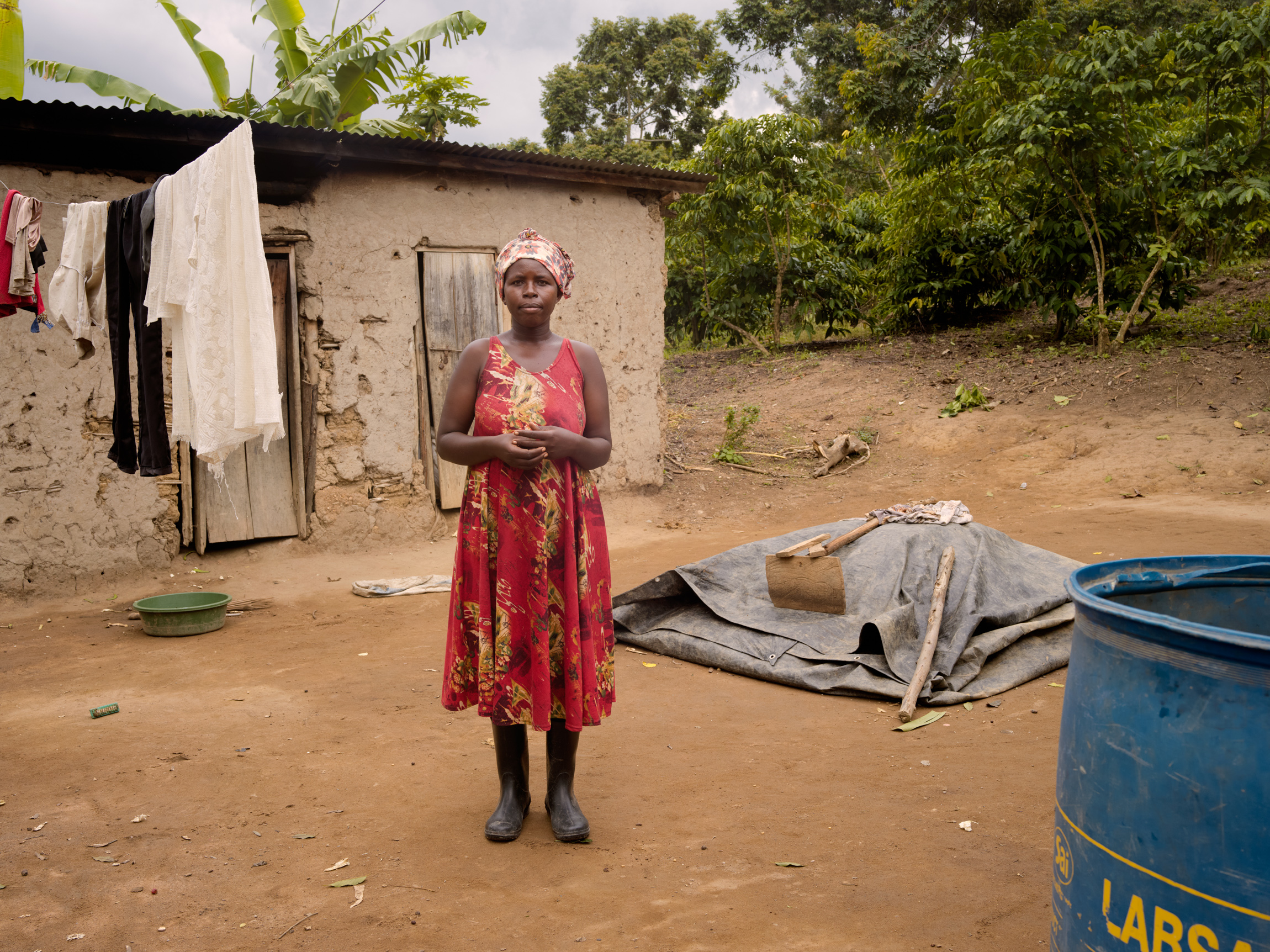 Imelda Tumuhairwe
Winston Churchill once called Uganda ‘the pearl of Africa’, first of all because it was more compliant than other British colonies. But he was impressed above all by the beauty of the country.
It is difficult to believe that this land with its overwhelming beauty and abundant nature, fertile soil and favourable climate could be unable to feed its people. It’s possible to point to many causes and reasons: a failing government, a troubled history, the patriarchy, but above all the dogmas of ‘improved methods of farming’ and the underhand practices of Big Agro.
Agriculture needs a new direction: agroecology
Modern agriculture, which began in the 1950s, is extremely resource-dependent. It relies on fossil fuels and the application of artificial fertilizer. A shortage of resources, a growing population, the declining availability and accessibility of land, increasing water scarcity and the depletion of the soil are forcing us to think again about how we can best use our resources for future generations.
Hilal Elver, former United Nations Special Rapporteur on the right to food, is the most important advocate of agroecology at the United Nations. She speaks with the authority of her UN role, but also as a respected academic. She is research professor and co-director of the Project on Global Climate Change, Human Security, and Democracy at the University of California.
The 2009 global food crisis signalled the need for a radical change in the global food system. New scientific research increasingly shows how agroecology offers far more environmentally sustainable methods that can still meet the rapidly growing demand for food.
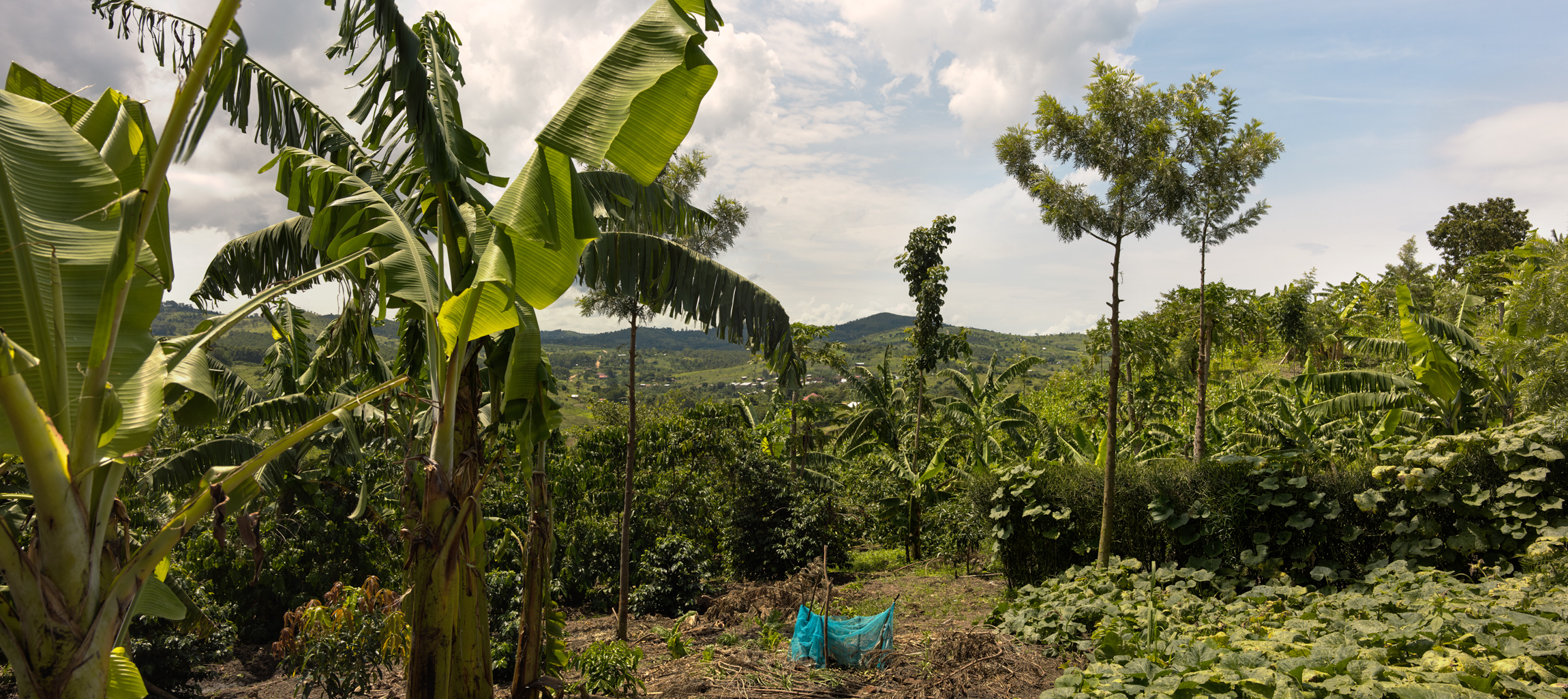
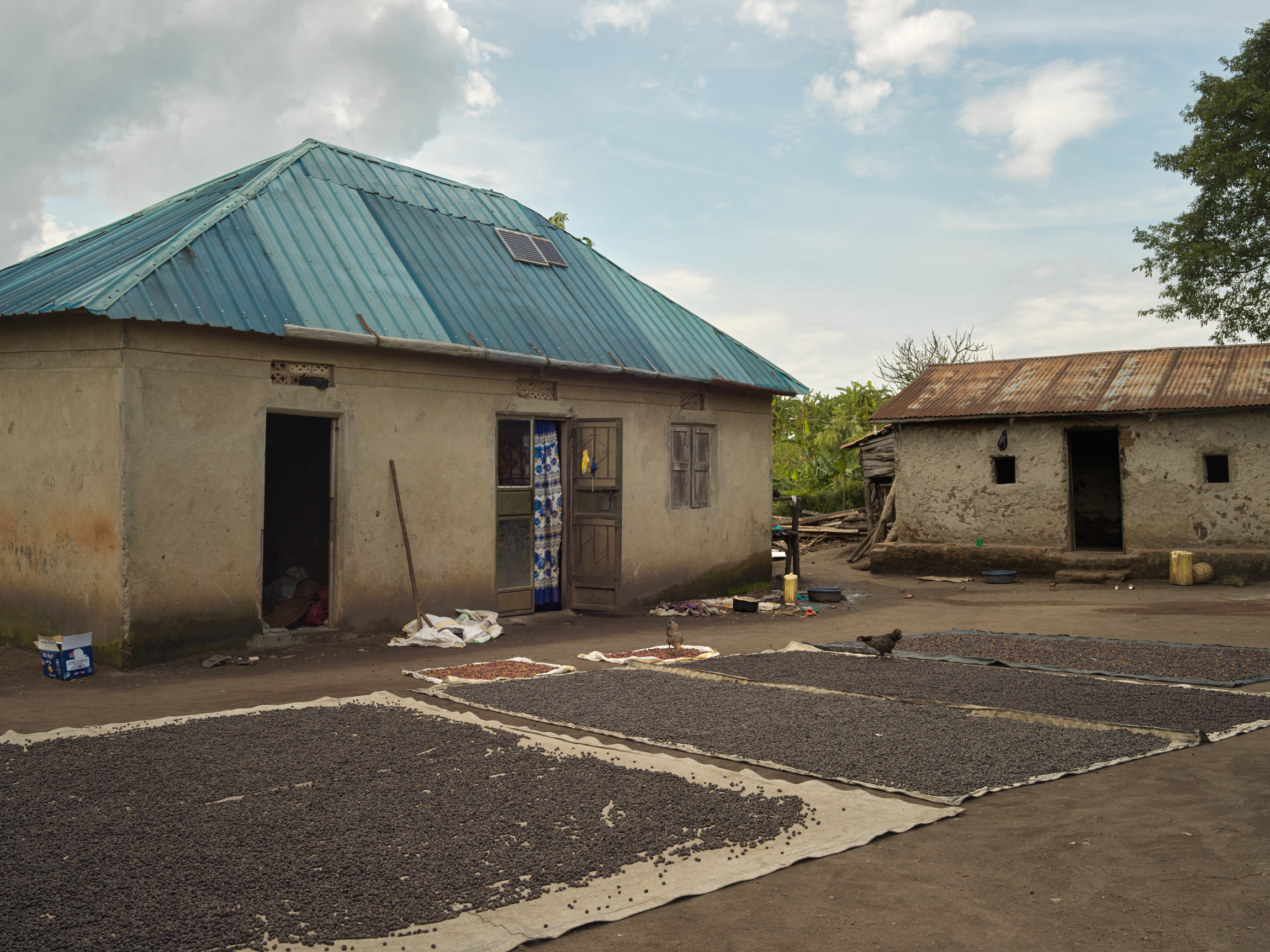
The Bazira family lives in Karubuguma, farming a four-acre piece of land. They grow coffee, beans, pumpkins, ground nuts, bananas, sweet potatoes, fruit trees, oranges, guava, mangoes and pawpaw, as well as keeping goats and pigs. The focus is on sustainable coffee growing as a source of household income, on saving water, agroforestry, successful coffee-growing practices, the integration of animals on the farm, and the use of organic manure and plant-based pesticides.
Agroecology is a traditional way of farming, using methods that are less resource-oriented and that work in harmony with society.
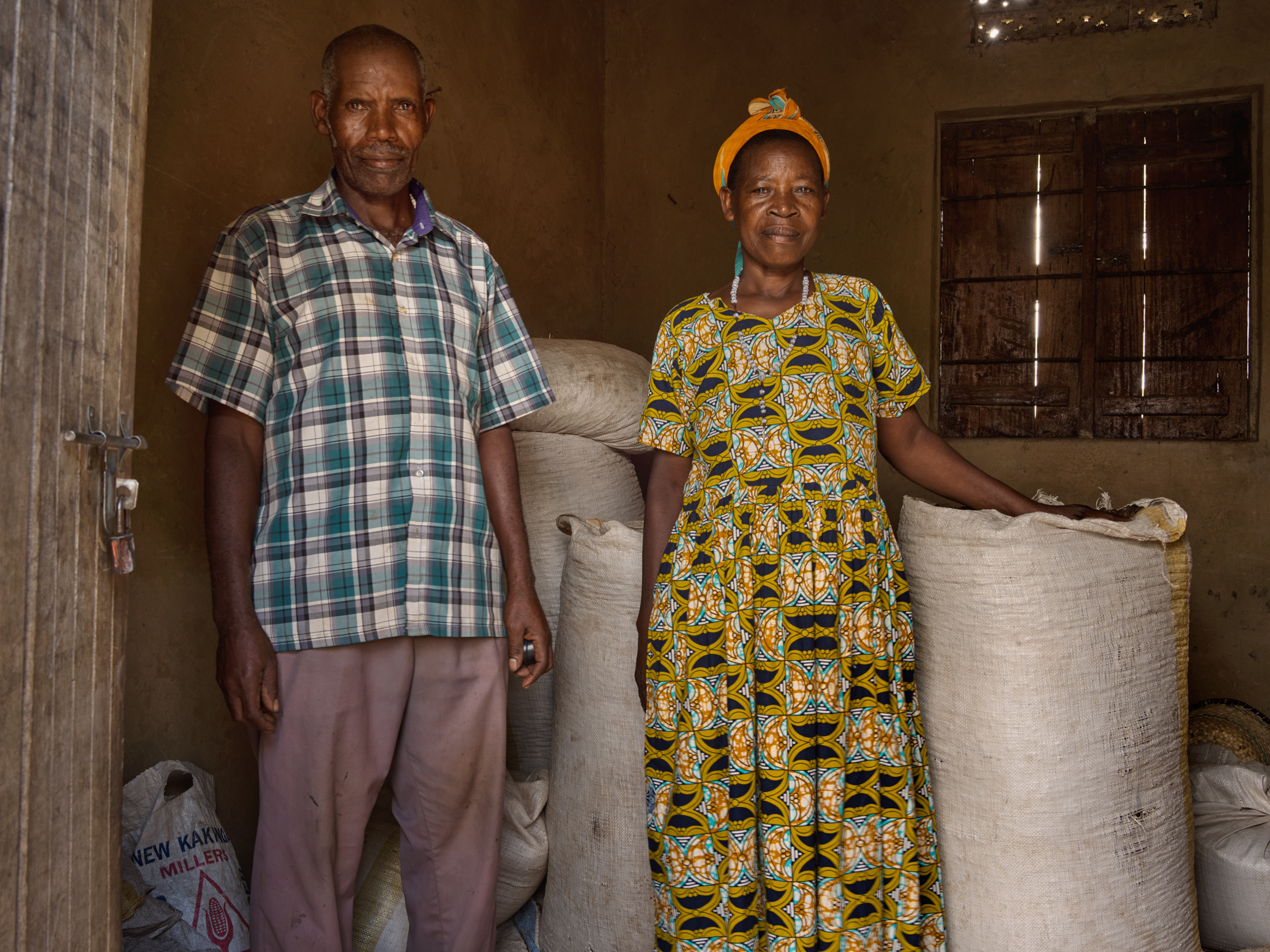 The Bazira family
‘Agroecology is related to the way you relate to land, to nature and to each other. It’s more than just organic production; it’s a sustainable livelihood.’
Professor Sergio Sauer,National Rapporteur for Human Rights in Land, Territory and Food
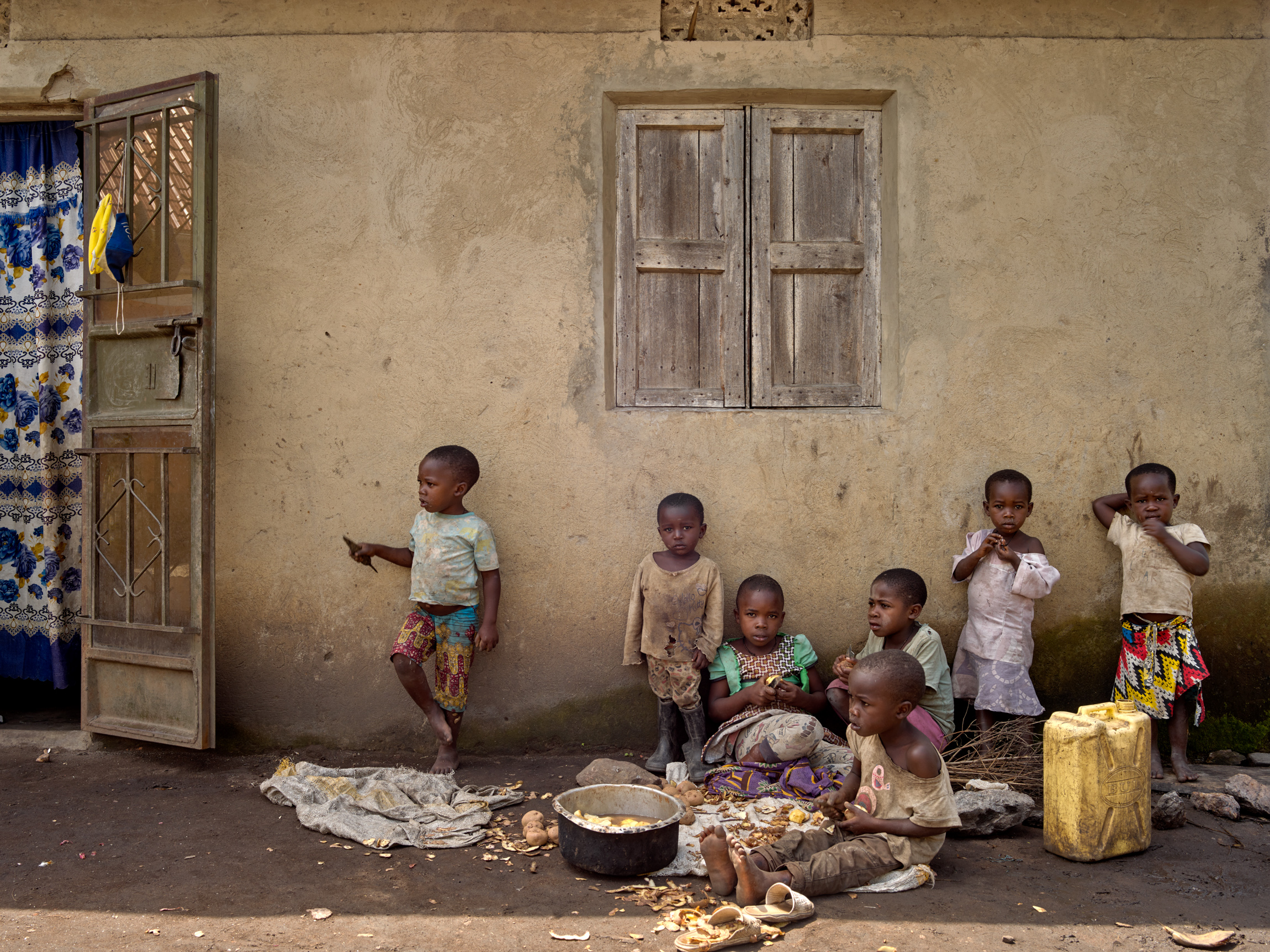 The Bazira family
‘Agroecology is more than just a science, it’s also a social movement for justice that recognizes and respects the right of communities of farmers to decide what they grow and how they grow it.’
Mindi Schneider, WUR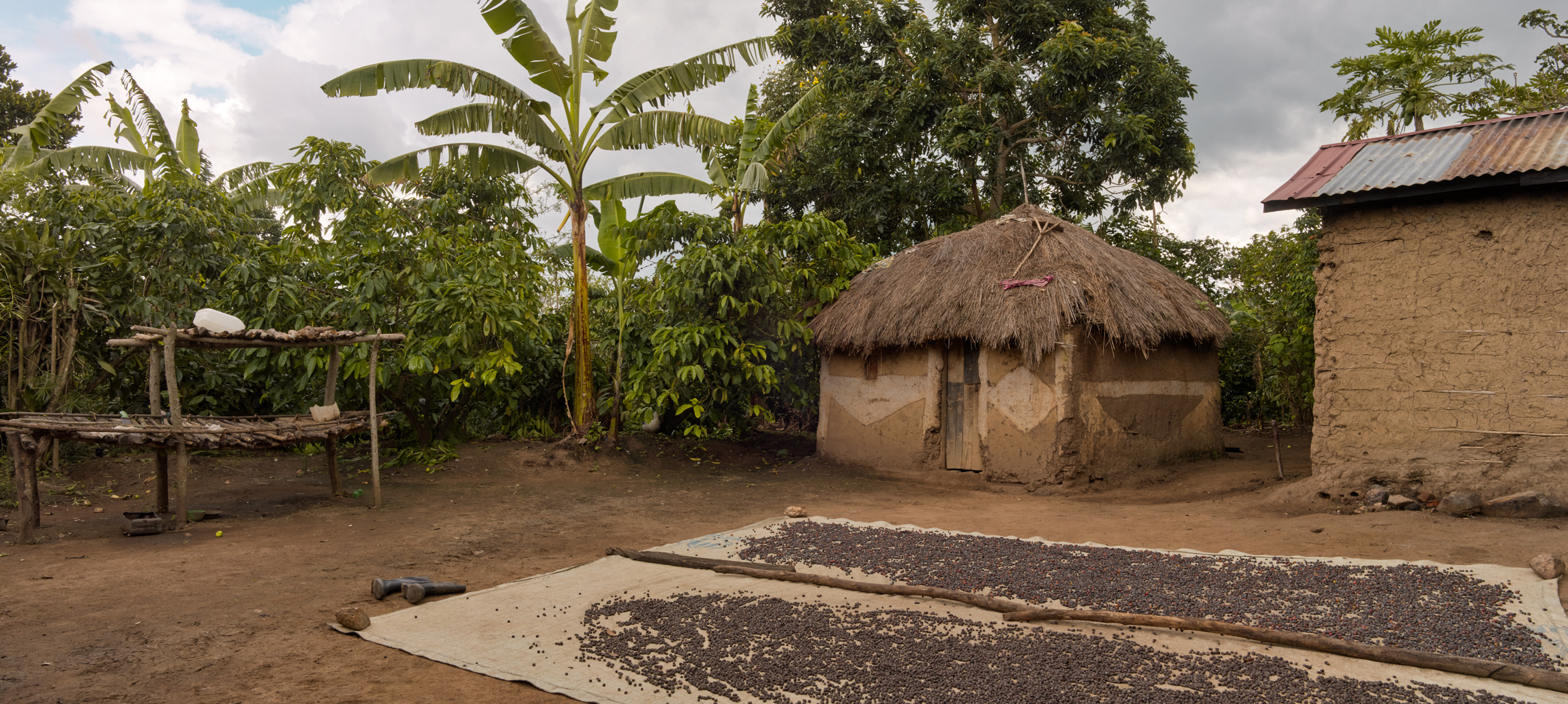 Family Violet Mukandejje
Violet is proving what many studies have shown: with the right agricultural practices, people like the Mukandejje family can increase their yields and income enormously. Violet has seen her coffee harvest increase by 50%.
There is a geographical and distributional imbalance in who is consuming and producing. Global agricultural policy needs to adjust. ‘That entails recognizing women’s role in food production – from farmer to housewife, to working mother, women are the world’s major food providers. It also means recognizing smallholder farmers, who are both the most vulnerable and the most hungry.’
Source: Hilal Elver, United Nations Special Rapporteur on the right to food
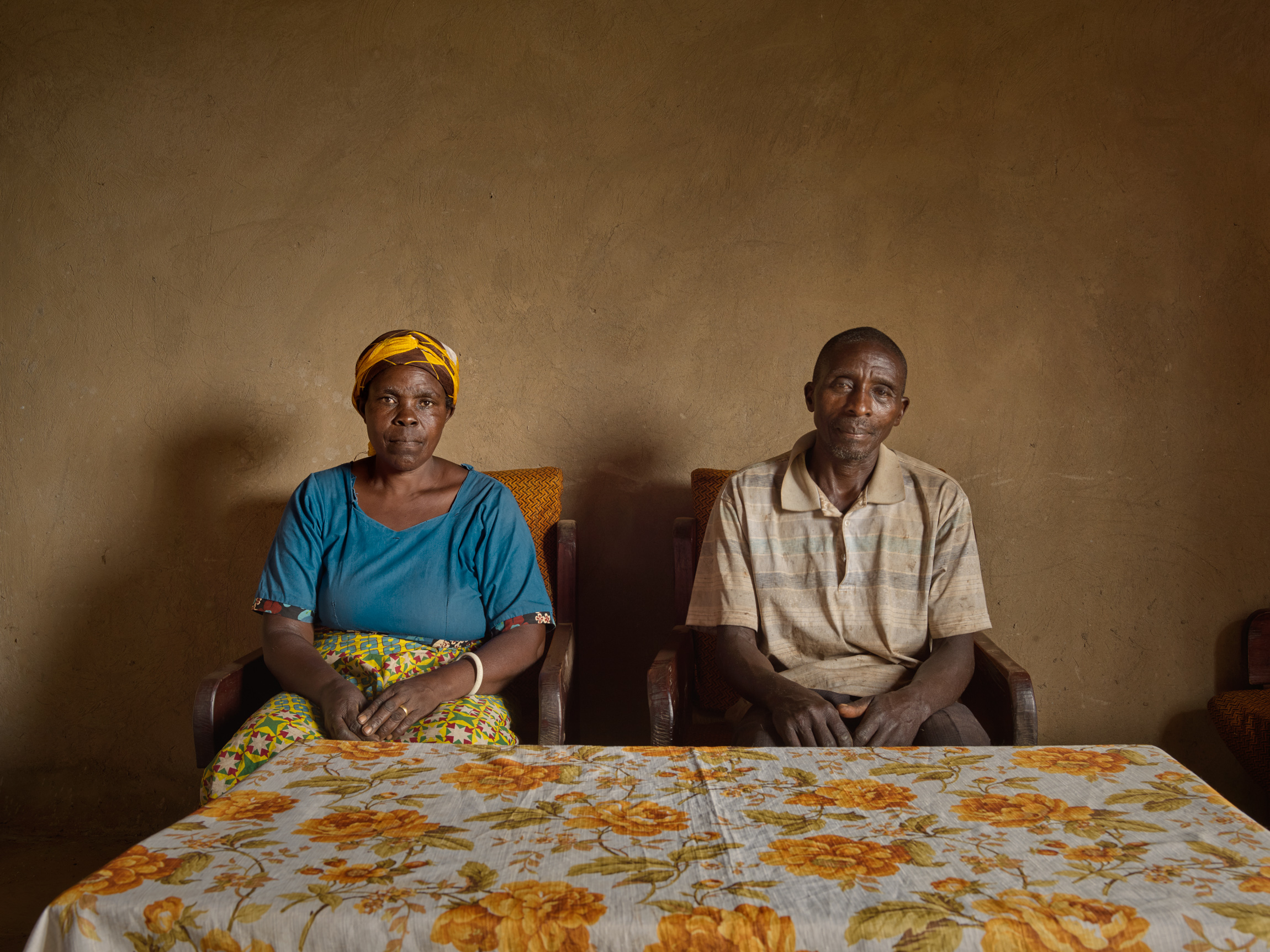 Family Violet Mukandejje
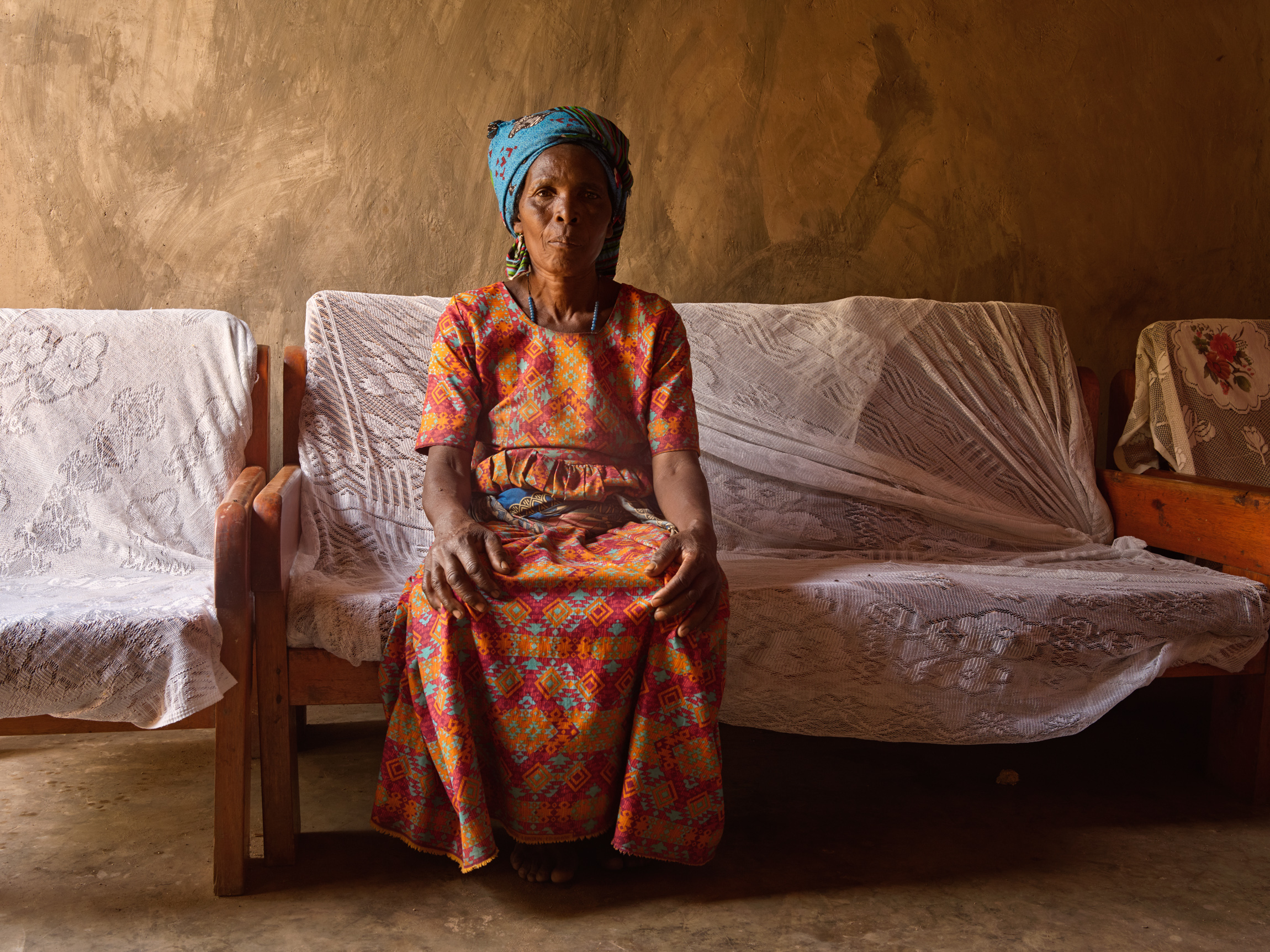 Precila Nyiransaba
On a three-acre piece of land in Karubuguma, Precila grows coffee, beans, pumpkins, vegetables and bananas. The positive effect of the organic approach, which costs nothing has improved the productivity on the farm, and motivated her to continue along that path. She has seen an increase in coffee production from three to seven sacks from her one-acre coffee plot.
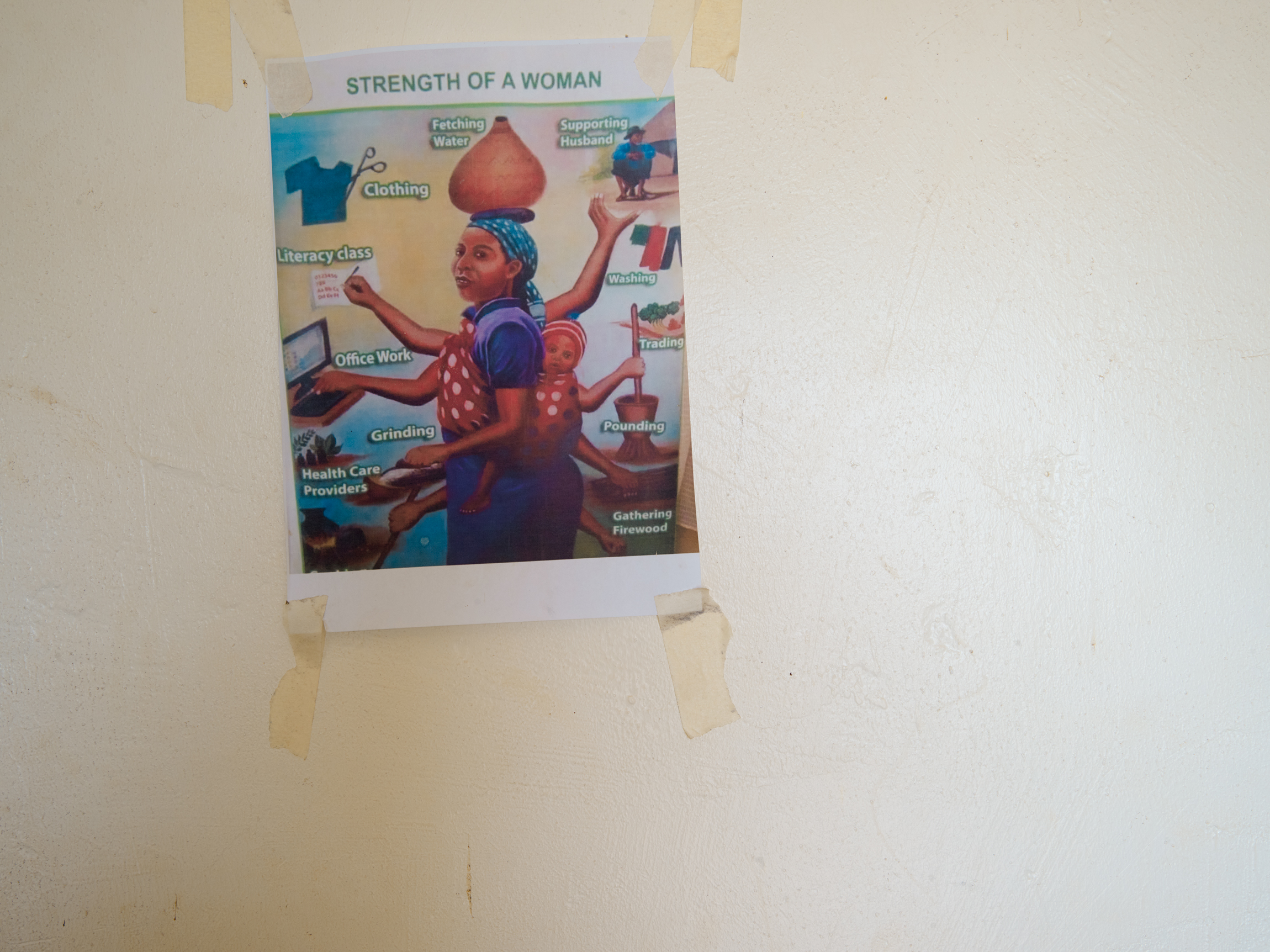 ‘Strength of a Woman’
I photographed the poster ‘Strength of a Woman’ in Medius Nyabriongo’s office. Medius is the director and founder of the Kyenjojo Association of Woman Development Actors (KAWODA). The poster painfully illustrates the real situation of millions of women in the Ugandan countryside (and worldwide). Uganda has more than three and a half million family farms on which women do the majority of the work.
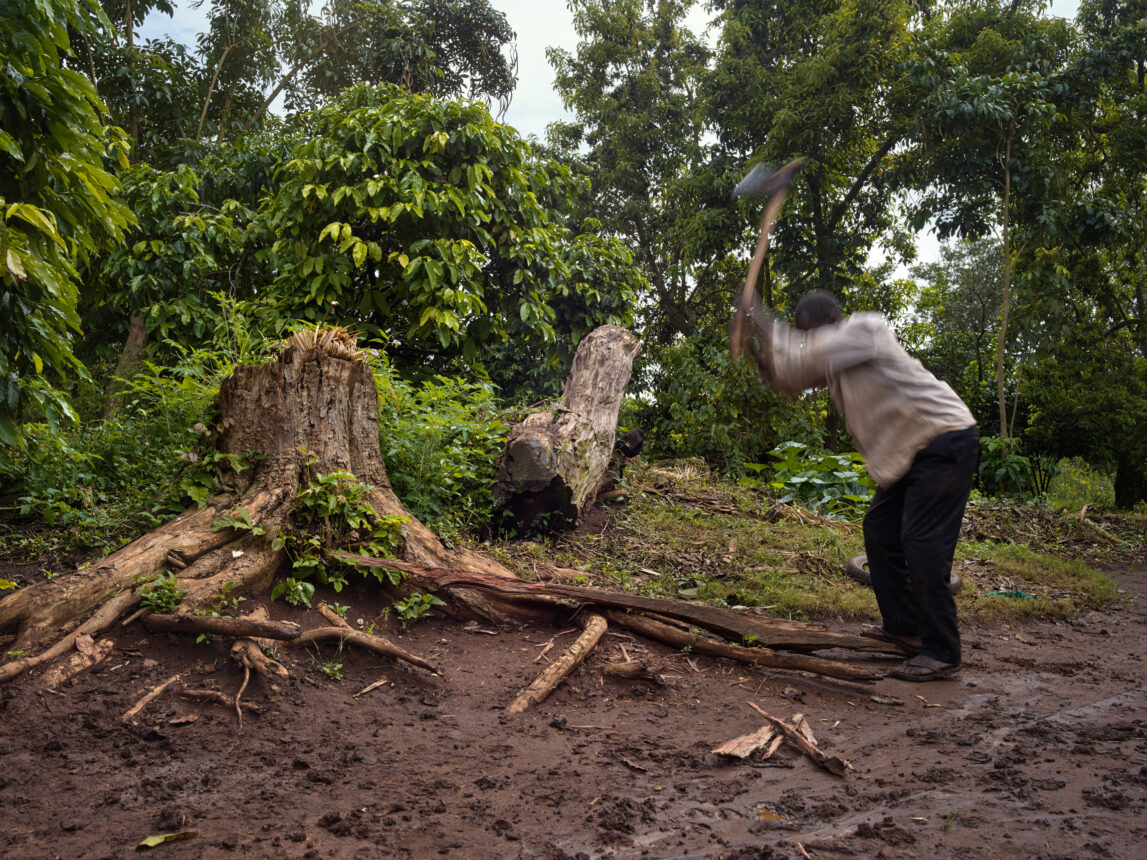
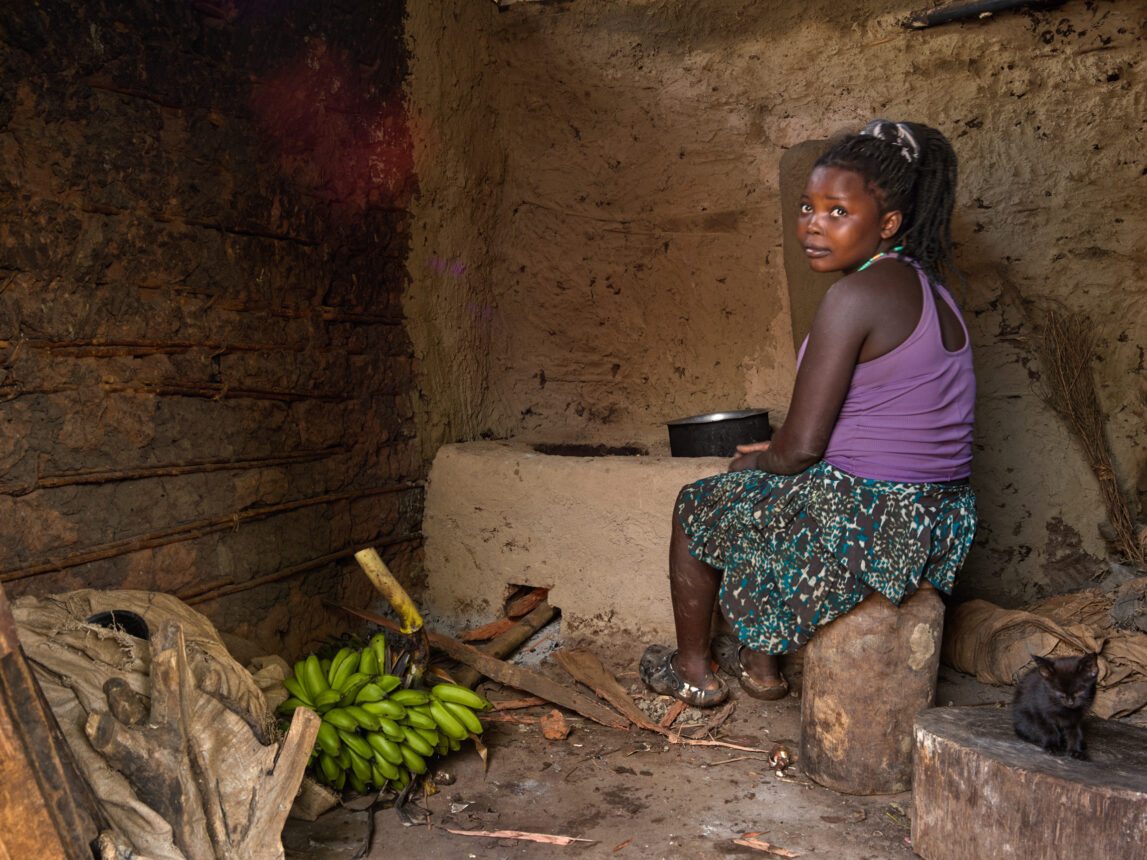
In Uganda, as elsewhere, there is often talk of the absent husband and father. Women in Uganda have an average of 5.8 children, and as well as caring for their offspring they often have to look after their parents. Alongside all their household tasks, they grow, harvest and prepare the food, while a large part of the working day has to be reserved for the gathering of wood on which to cook the main meal.
The paradox of the big family is that if you have a large number of children, you will have more hands to help with the work on the land and with fetching water, or gathering firewood for the cooking stove, but with those hands come many mouths that need to be fed.
Emancipation and education are key to gender equality and food sovereignty. KAWODA’s mission is to promote women’s empowerment and gender equality by enhancing women’s capacities, so as to ensure human rights and health education for sustainable socio-economic development.
If women farmers were to have the same access to productive resources as men, they could increase yields on their farms by 20-30%, lifting 100-150 million people out of hunger. Women are the quiet drivers of change towards more sustainable production systems and a more varied and healthier diet.
Source: FAO.Org
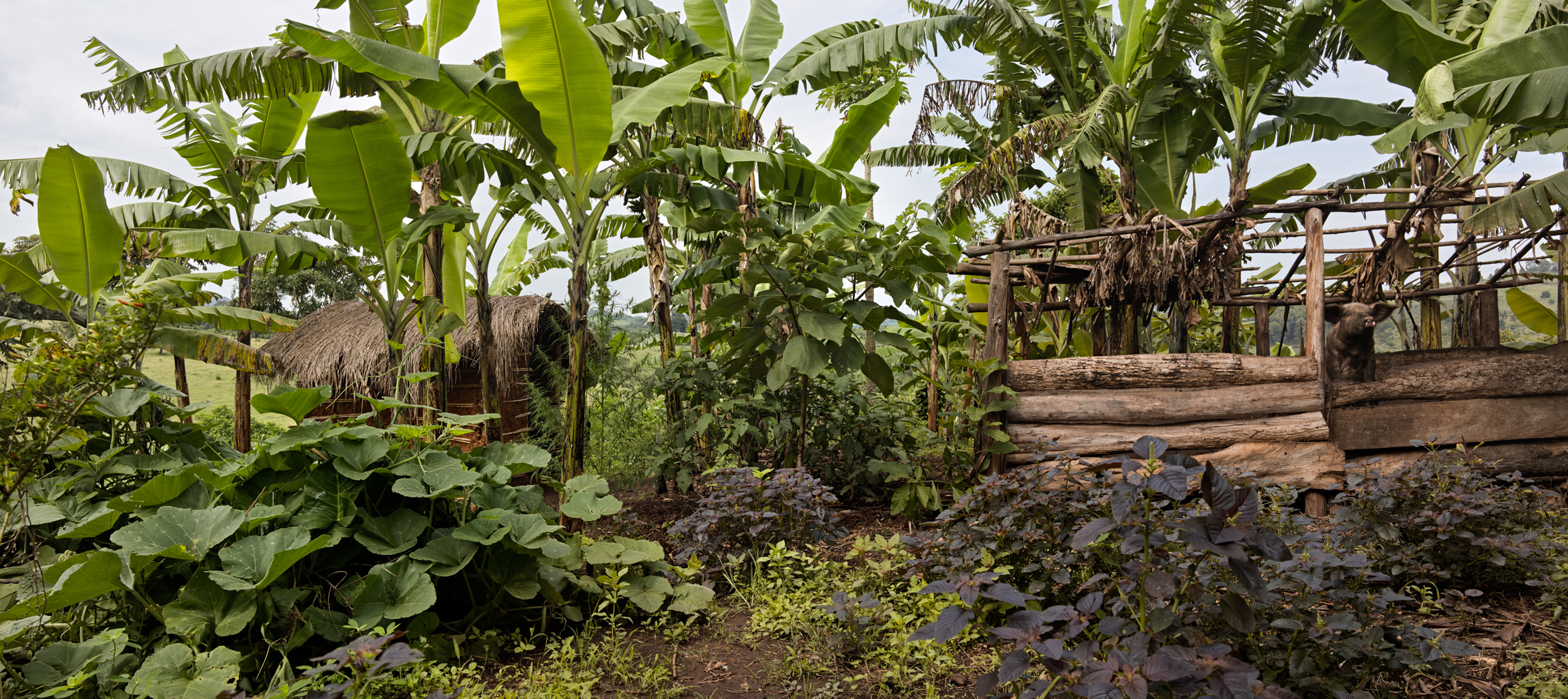 The farm of Mugisa and Angelica Tadeo
It was supposed to be a half-hour drive from our hotel to Mugisa and Angelica’s farm, but the last six kilometres run steeply uphill. It had rained hard in the night and Wilson, our guide and driver, struggled to get his four-wheel-drive car through the mud. It’s the road Mugisa and Angelica’s children use daily on their walk to school. Not today, though. Mugisa had phoned the head of the school to ask if the children could stay home for a day, since a film crew from the Netherlands was coming to film their farm. The head naturally granted his request, so on our arrival the children were standing waiting for us, dressed in their best clothes. Mugisa is a proud man, and he told us how he’d developed the plan for his farm with the help of KAWODA. Diversification is key to the agroecological transition, which aims to guarantee food security and nutrition and at the same time preserve, protect and improve natural resources. He explained the importance of a balanced diet, telling us what the family eats and how many meals they have each day.
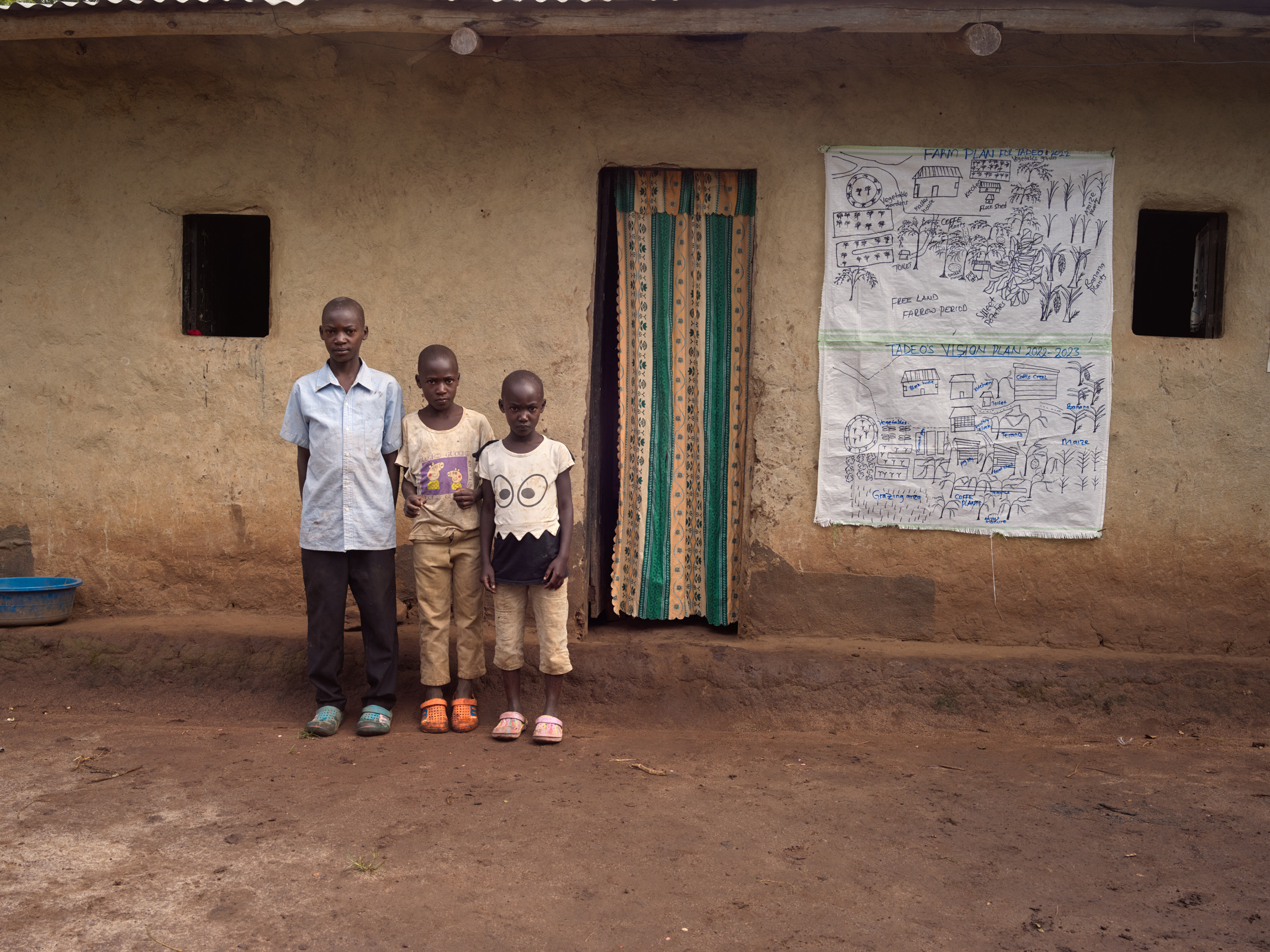
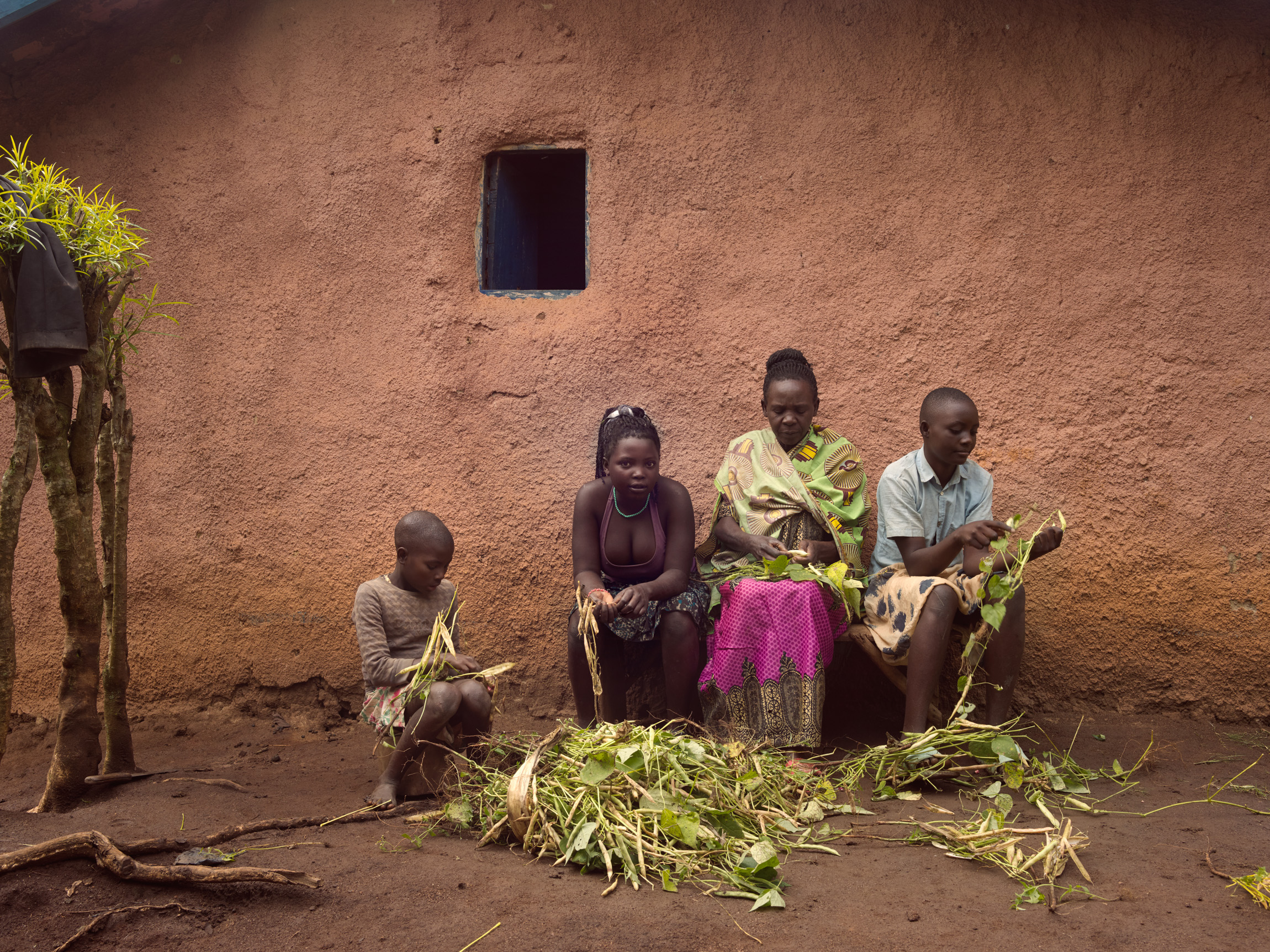
Mugisa and Angelica Tadeo live with their six children on a family farm in the settlement of Murongando in the Kyenjojo district. They share the land with Mugisa’s father, who lives on the 12-acre stretch of land with six other family members, as well as his brother.A day spent visiting this family is an extraordinary experience: no mobile phones, no radio, no computers to play games on, no TikTok, no YouTube, no washing machine to throw dirty washing into, no fridge to raid, no room to withdraw to at homework time. Shelling beans, peeling bananas, picking coffee and gathering firewood are this family’s daily occupations, and every member participates, harmoniously.
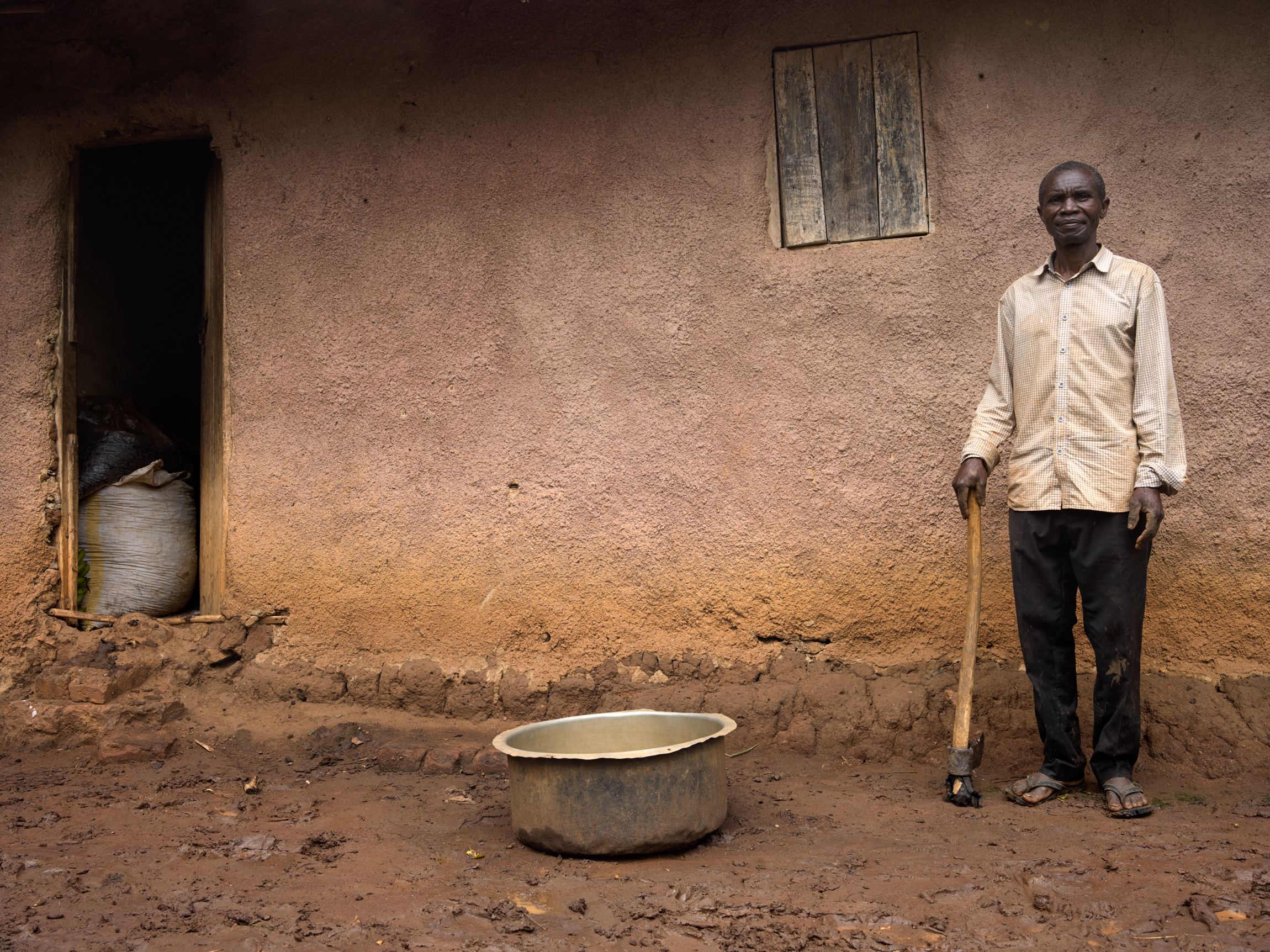
Mugisa and Angelica have a cow, a pig, a goat and a few chickens. The cow provides not just the calcium the family needs but a wonderful fertilizer for the crops in the form of manure. Whereas the dried manure used quite often to serve as fuel for the stove, it is now the most important input for the crops. Whereas a large proportion of the paltry income from the harvest used to go on artificial fertilizer, agrochemicals and expensive hybrid seeds that had to be bought every year, the family’s newly acquired farming knowledge facilitates considerable savings on inputs as well as ensuring higher yields.. They are proud to be able to tell and shows us what they have achieved, how their lives have improved, how they can now give their children a varied and healthy diet, and how their crops are more productive. Together they dream about the next phase of the project, the implementation of the Vision plan.
But the working days are still long and tough. They get up at five to prepare food for the children, who have to leave at six sharp to walk the six kilometres to school, along the road that our driver Wilson couldn’t manage with his four-wheel-drive. Then Mugisa and Angelica begin their long day working on the land.
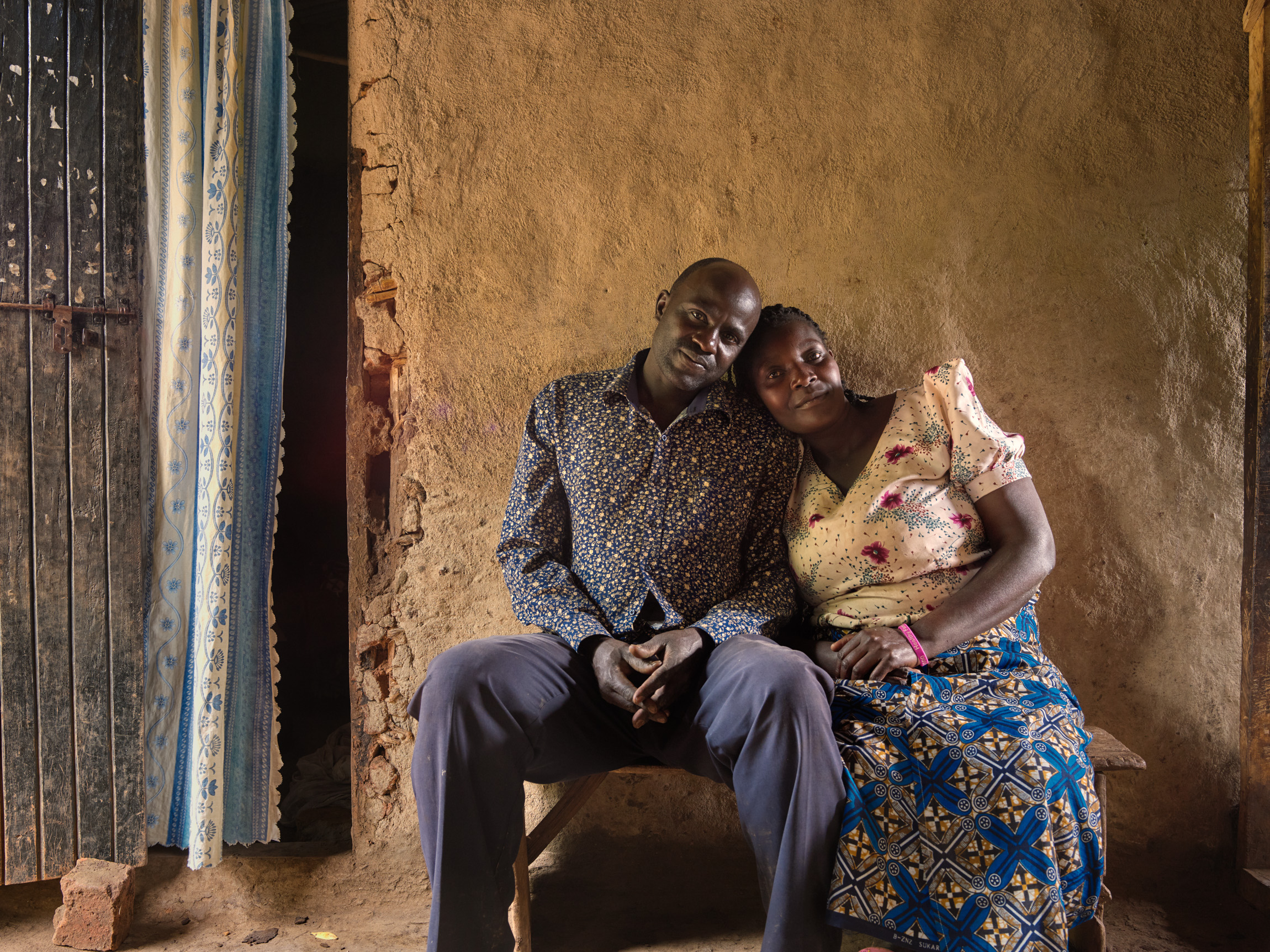 Mugisa and Angelica Tadeo
Our visit has made a great impression on us. First of all because of the loving way that the family lives simply, in harmony with themselves and the environment, enjoying life and looking after one another. We’re also impressed by how agroecology has proven to be the most important means of escaping poverty.
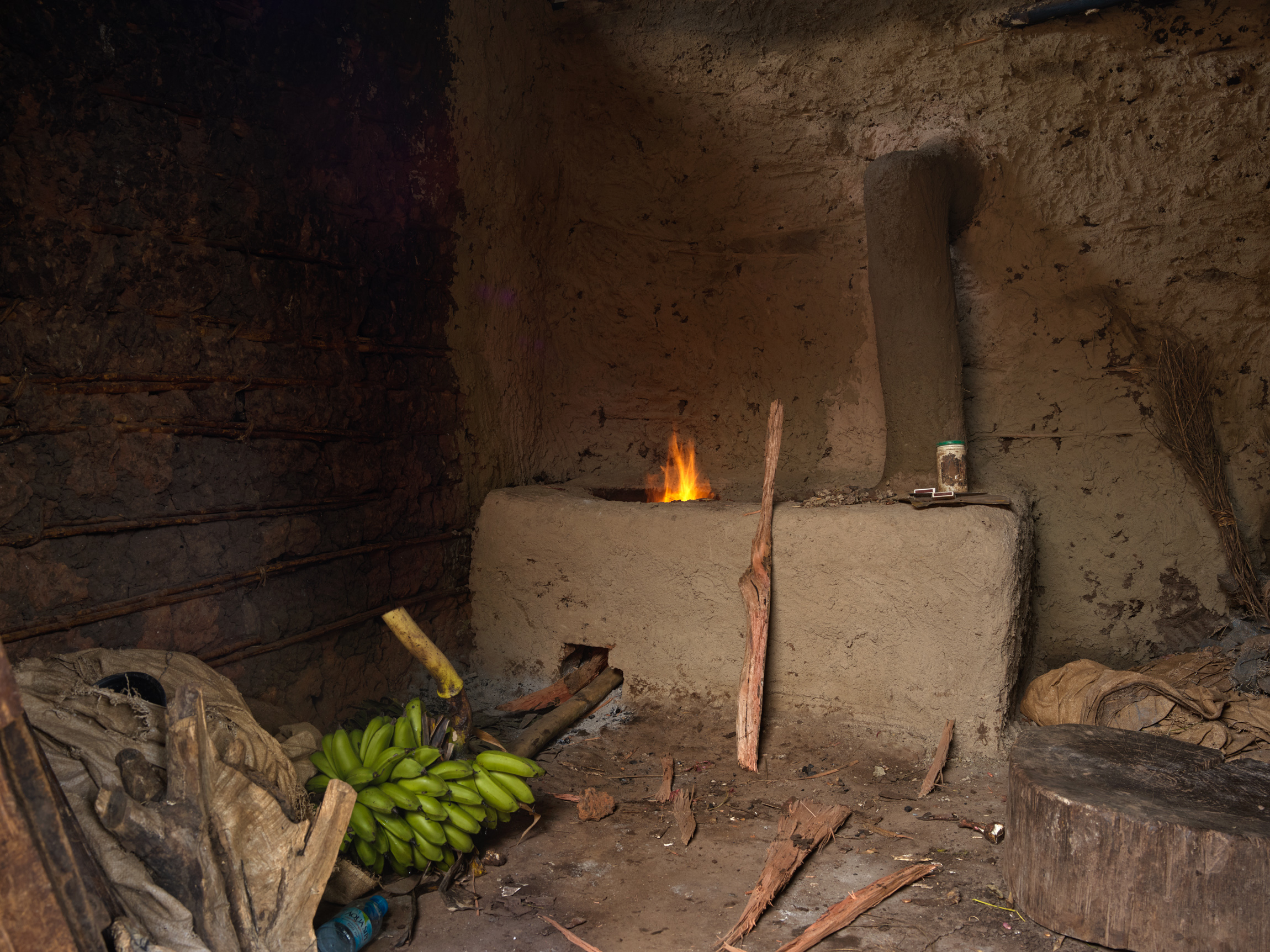 The Lorena Stove
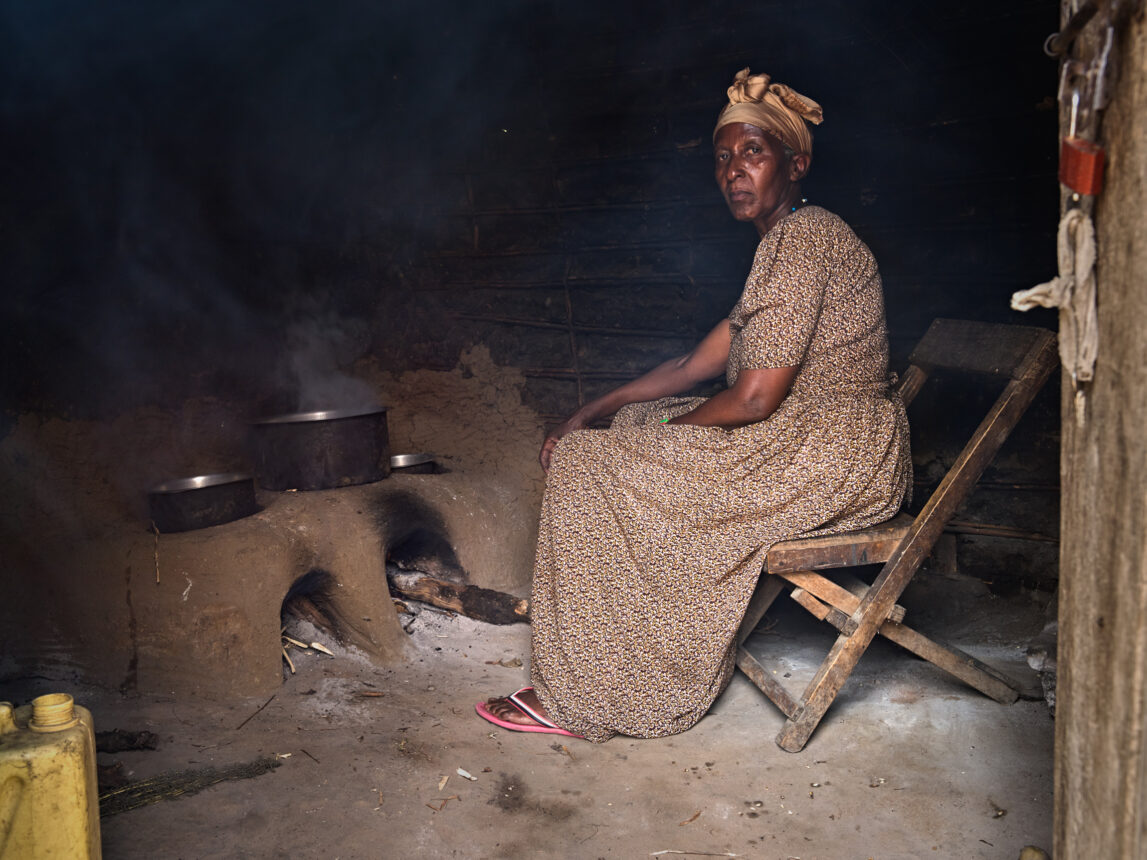
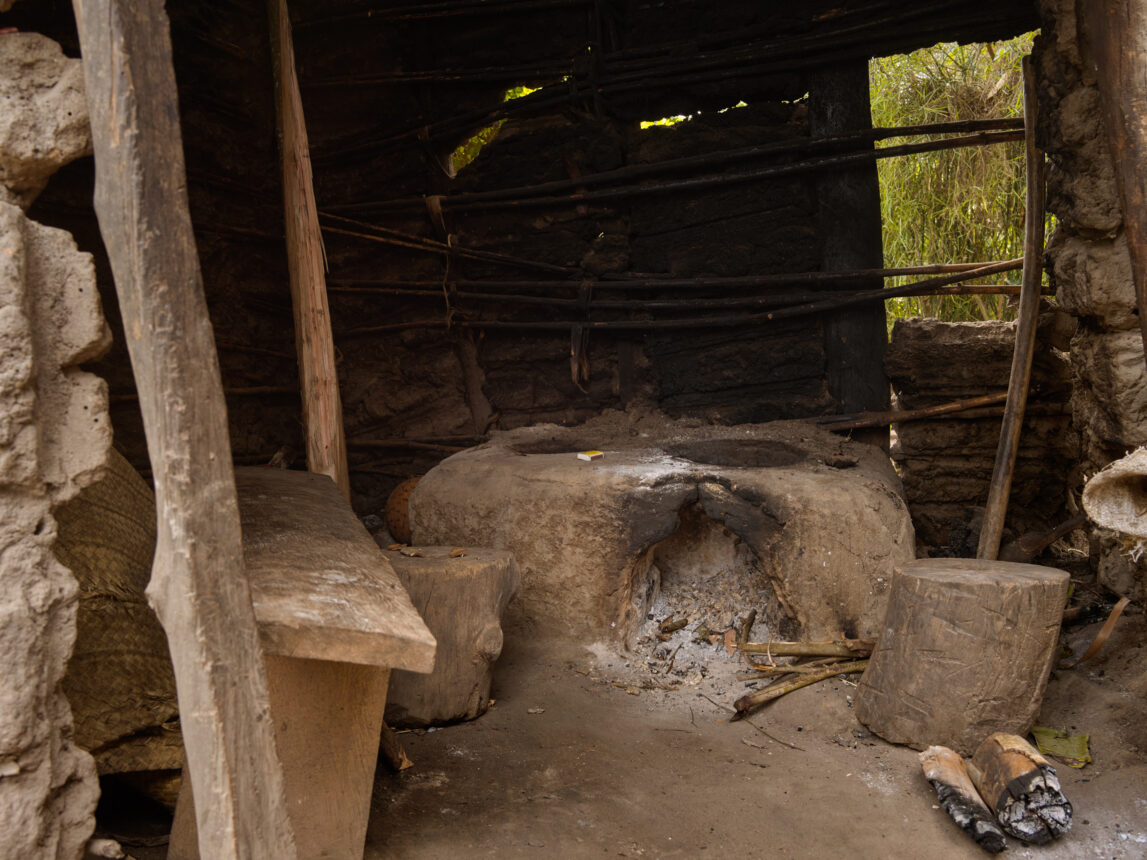
The meals of about one in three people worldwide (2.4 billion) are prepared on fires of wood or charcoal. It’s one of the world’s biggest sources of pollution. Wood fires emit as much CO2 globally as the world’s entire aviation and shipping sectors combined. Forty million people die prematurely from inhaling smoke and soot, and many fruit trees that provide food and incomes fall prey to fires lit to make corn porridge.
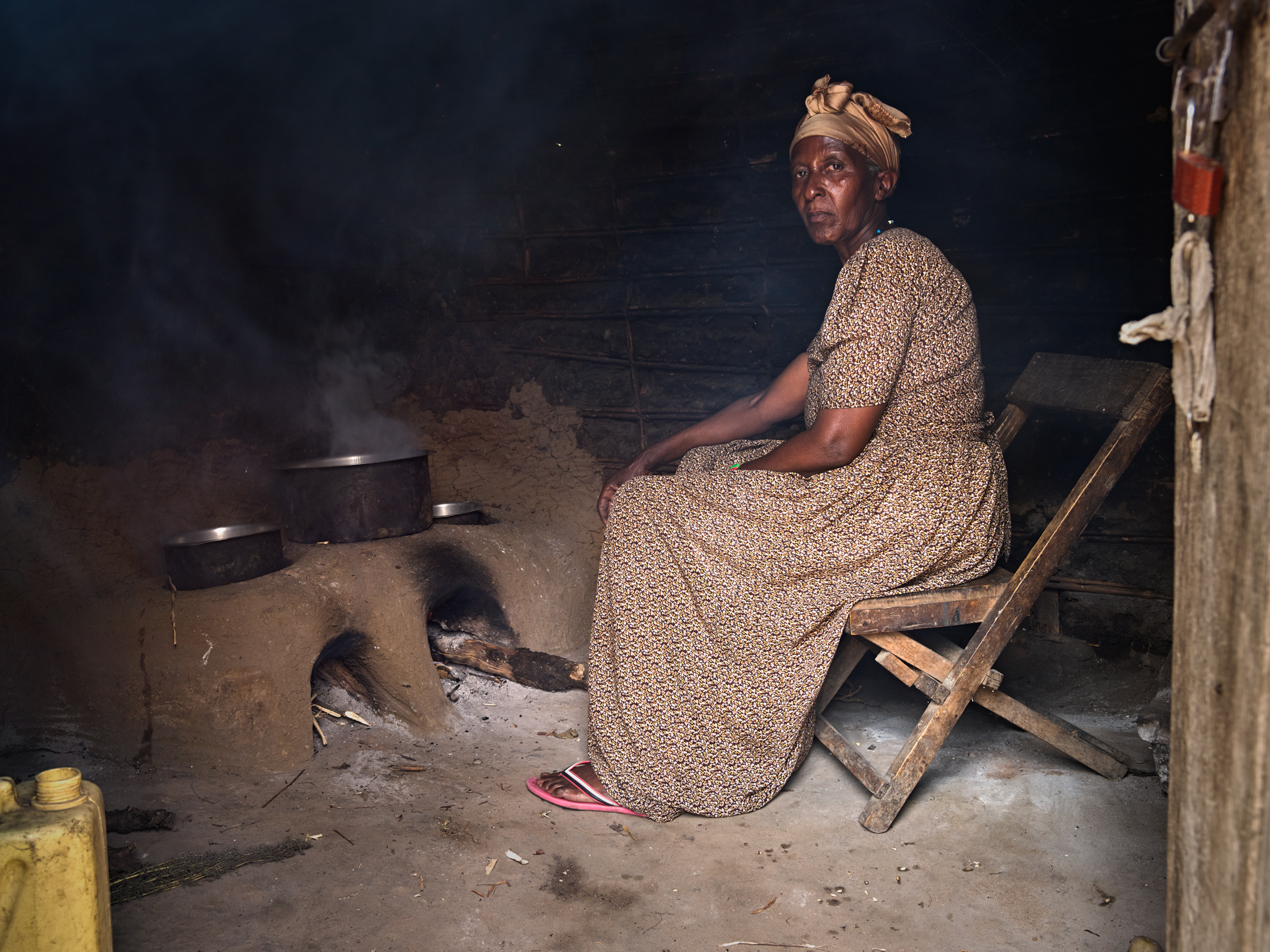
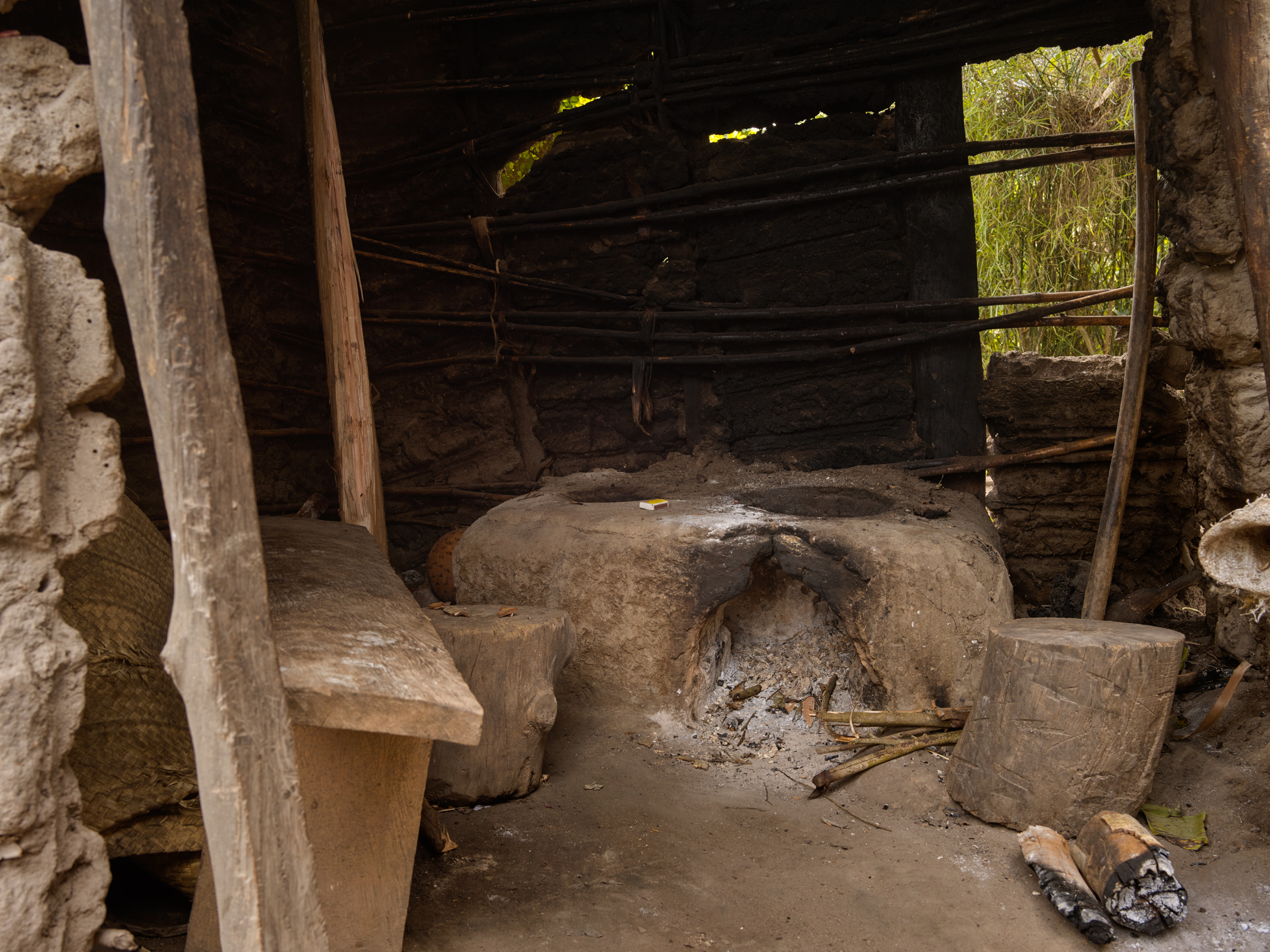
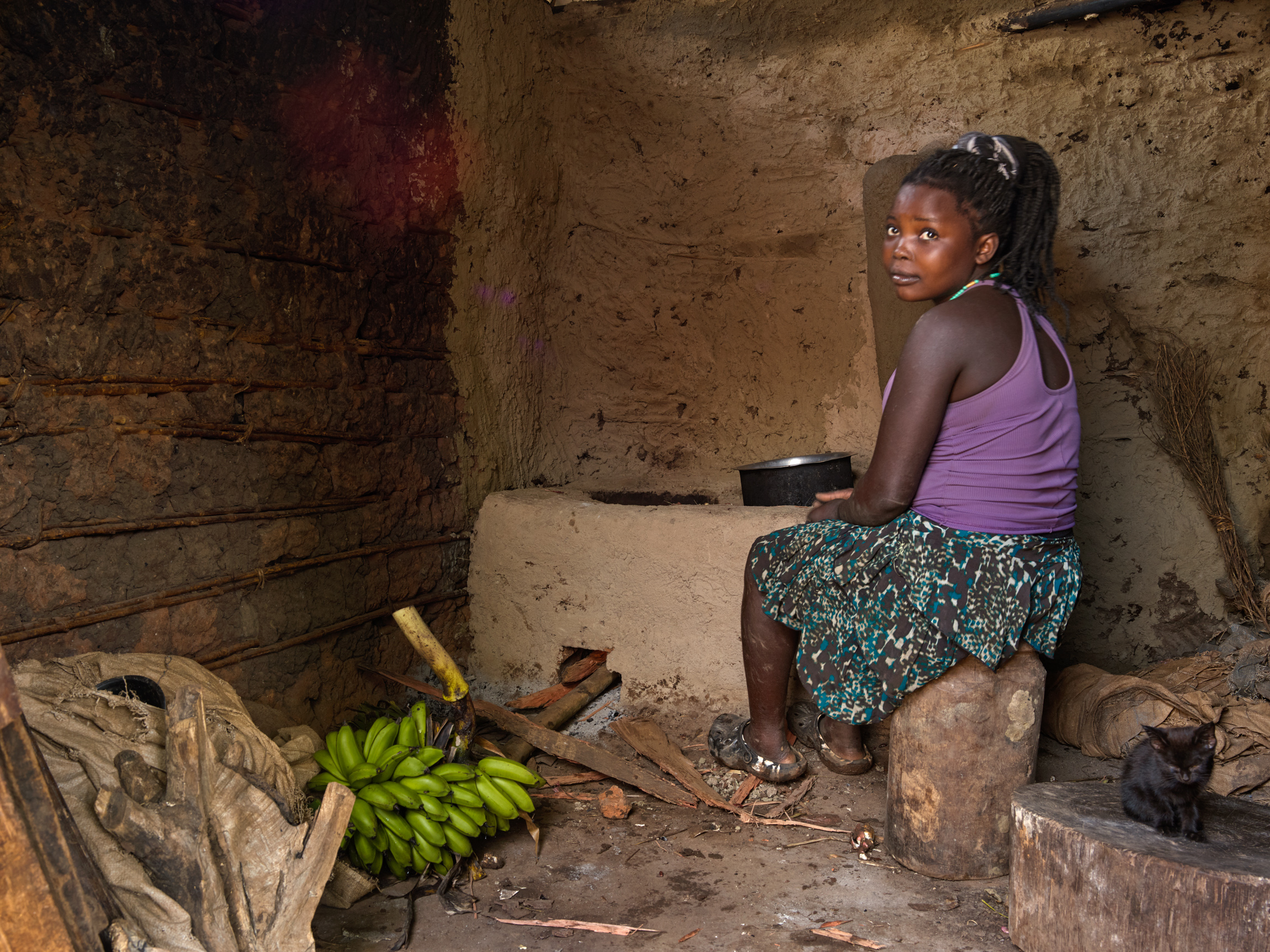
COSIL encourages communities to address the problem of cooking on wood or charcoal (the three stone method), not just by planting trees but by supporting the building of energy-saving Lorena stoves. Over the past year, 700 Lorena stoves have been put in to use. This simple, cheap device saves 60% of the wood and prevents the emission of smoke and soot.
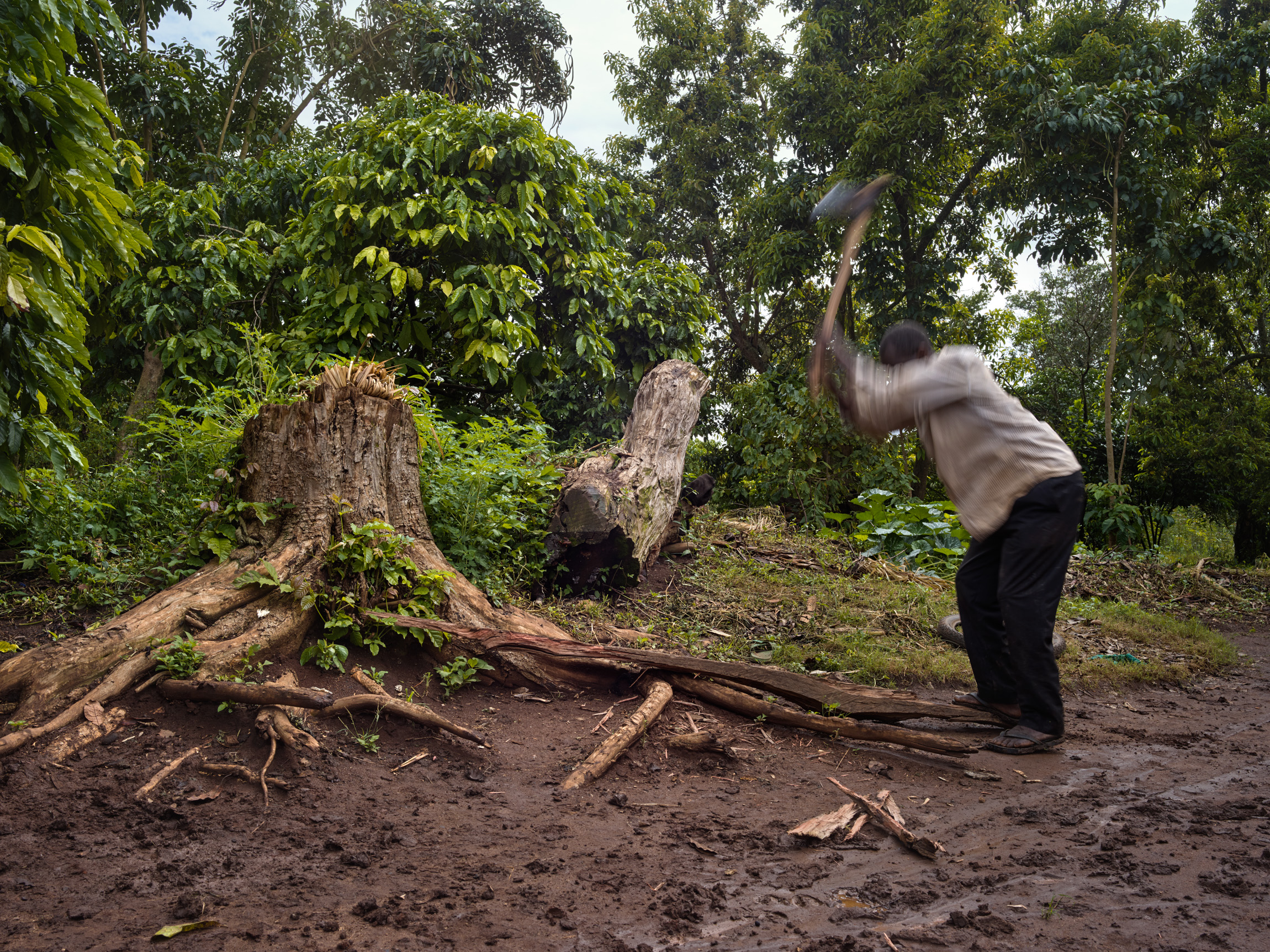
Wood is scarce, charcoal is expensive, and collecting wood is hard, time-consuming work. For lack of wood, dried manure is used as a fuel and sometimes valuable fruit trees are felled to make fires for the preparation of corn porridge. During the rainy season, access to firewood is harder still, and the preparation of meals for a family becomes an even greater challenge.
COSIL and KAWODA have installed hundreds of Lorena stoves. COSIL alone installed seven hundred of them in 2022. That merits a deep bow, and we take our hats off to it too, but when you think that in Uganda there are three and a half a million of these family farms, it’s clear there is still a long way to go.