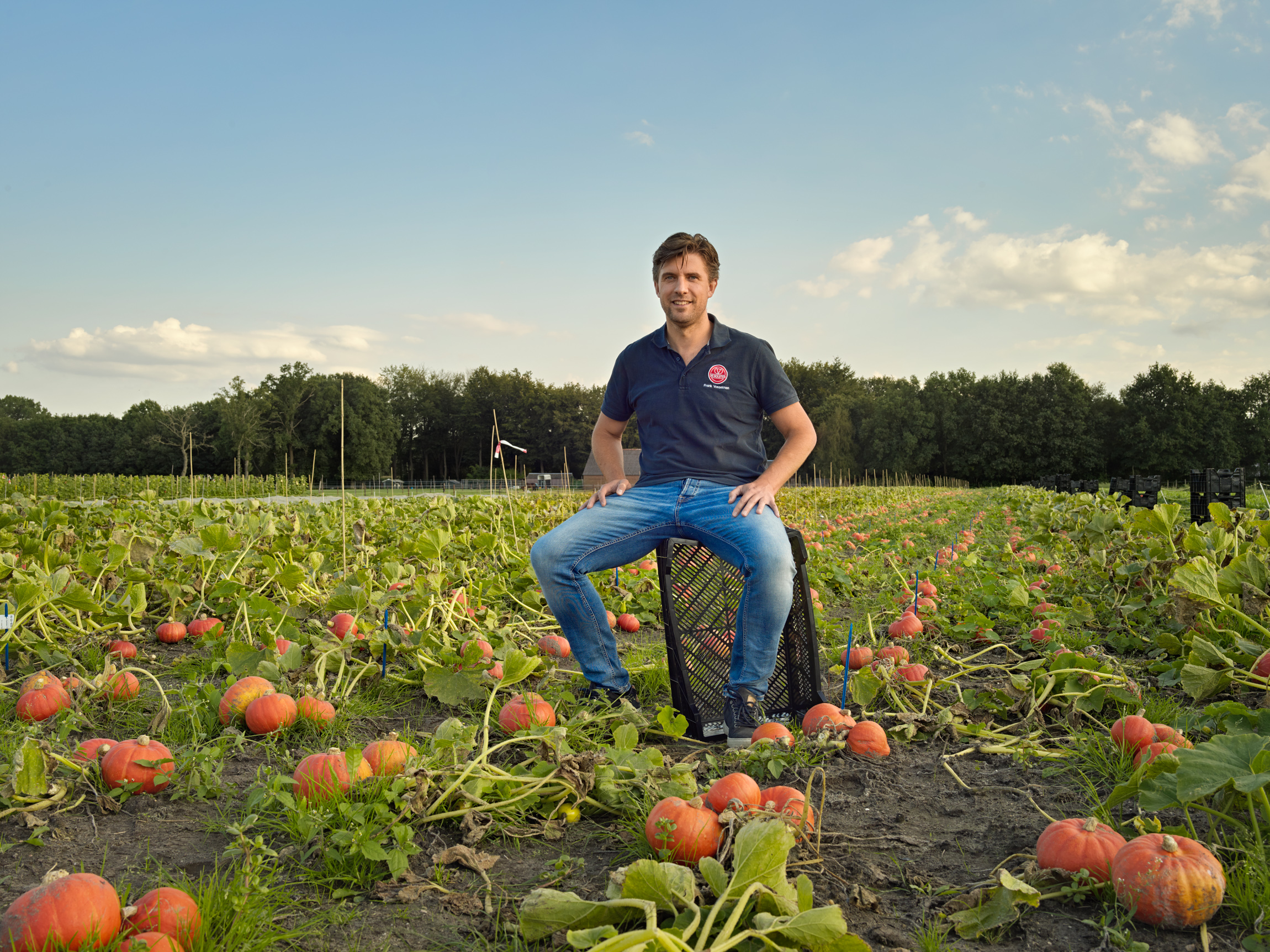
 Frank Vosselman, De Bolster
‘Everyone talks about biodiversity, but when you look at the world of the seed companies, something strange seems to be going on Worldwide around five companies control seventy per cent of the entire seed market. That isn’t diverse at all.’
Frank VosselmanThe noble art of seed breeding consists of observation, cross-pollination and selection. Observation leads to the identification of plants with desired characteristics (such as flavour, shape, colour, and resistance to disease and infestation). Selected plants are crossed and seed is harvested from their offspring. Doing this for successive generations brings us closer, step by step, to varieties with the best characteristics. Robust, strong and productive varieties emerge that are eminently suitable for cultivation in organic conditions. Breeding is a long-term process. It may well take eight to ten years to develop a new variety and the difficulty is that at the start you cannot know where you will arrive after years of crossbreeding.
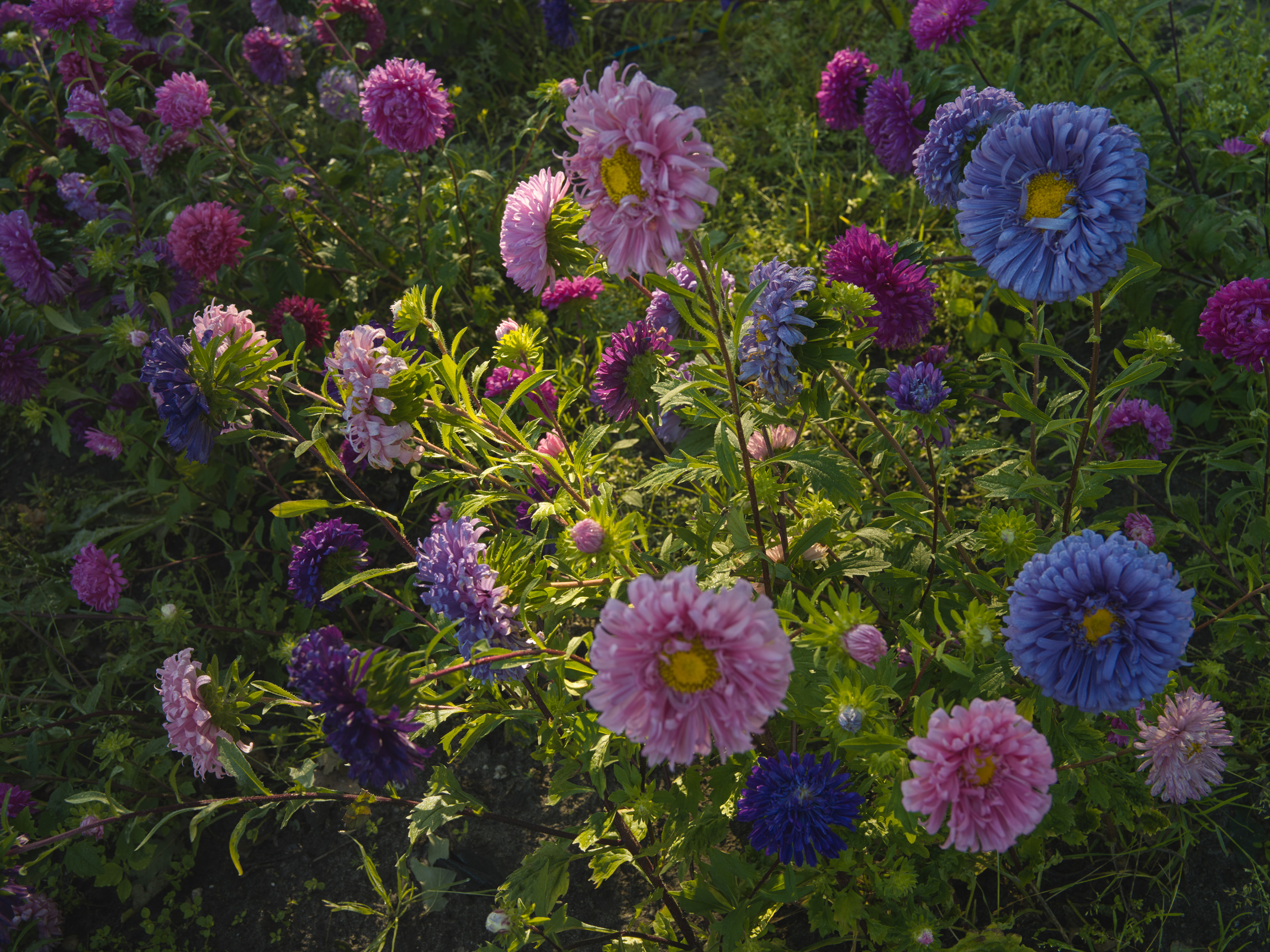
Worldwide around five companies control seventy per cent of the entire seed market. That isn’t diverse at all, that’s simply not a healthy situation for food security in the world. Far more small businesses ought to set up seed companies in order to ensure diversity. In practice, bigger companies often mean less diversity, with a smaller range of products.
Fewer and fewer varieties are being produced on a larger and larger scale. In future years that will simply be unsustainable, quite apart from the fact that the big seed companies have other priorities. If we want the organic sector to develop further in a sustainable way, then there will have to be more diversity when it comes to the seed companies.