When thinking of Iceland, you do not immediately think of agriculture and horticulture, let alone sustainable food production. The rugged island with its volcanoes and glaciers has only a small amount of land suitable for agriculture. Despite its uncultivated environment, Iceland grows half its own vegetables.
According to the National Energy Authority of Iceland, the heating of greenhouses using geothermal energy started in Iceland in 1924. It has been a success for Icelandic agriculture, providing the local population with fresh, sustainable products. While the focus is on growing vegetables, the country also produces flowers, herbs and other plants, covering a wide range of its agricultural needs. Traditionally, geothermal energy has been used mainly in power generation. However, there are examples of successful applications in other areas, especially in the food and agriculture sector. The experiences and potential of these developments in Iceland are seen as a unique experience suitable for helping other countries with geothermal resources. The technology for making geothermal energy available is improving rapidly. Volcanic activity nearby is not a requirement anymore. With sophisticated knowledge of what is going on deep in the earth, well-picked spots can enable the building of greenhouses that are heated by geothermal energy, even in places like the Netherlands.
Source: FAO Report: Uses of geothermal energy in food and agriculture opportunities for developing countries.
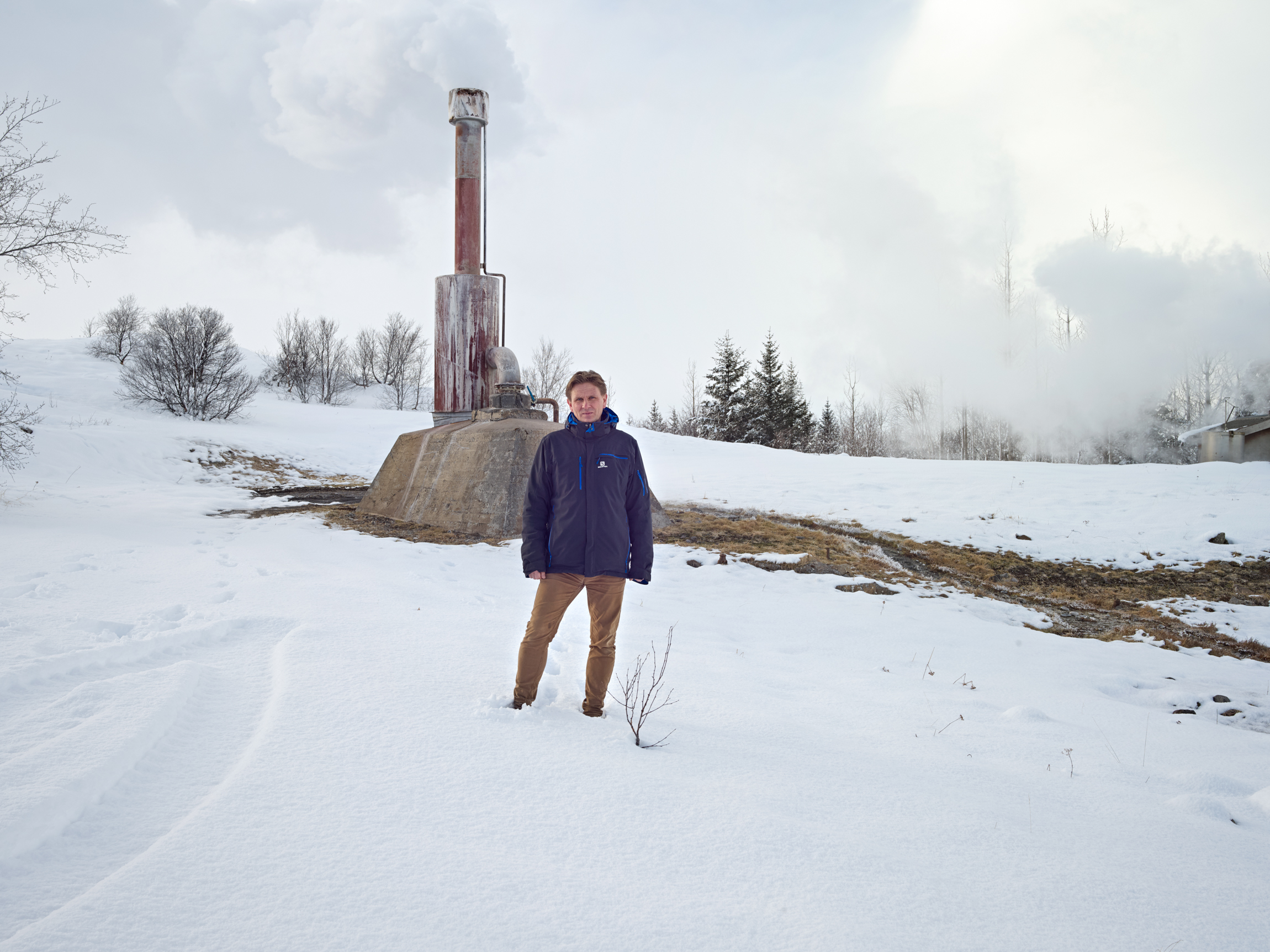
‘Despite its uncultivated environment, Iceland grows half of its own vegetables’
Knútur ÁrmannThis is not just a story about growing tomatoes with the help of geothermal energy, it is the story of a passionate couple, Knútur Ármann and his wife Helena, who in addition to growing organic tomatoes, open their greenhouses for educational purposes.
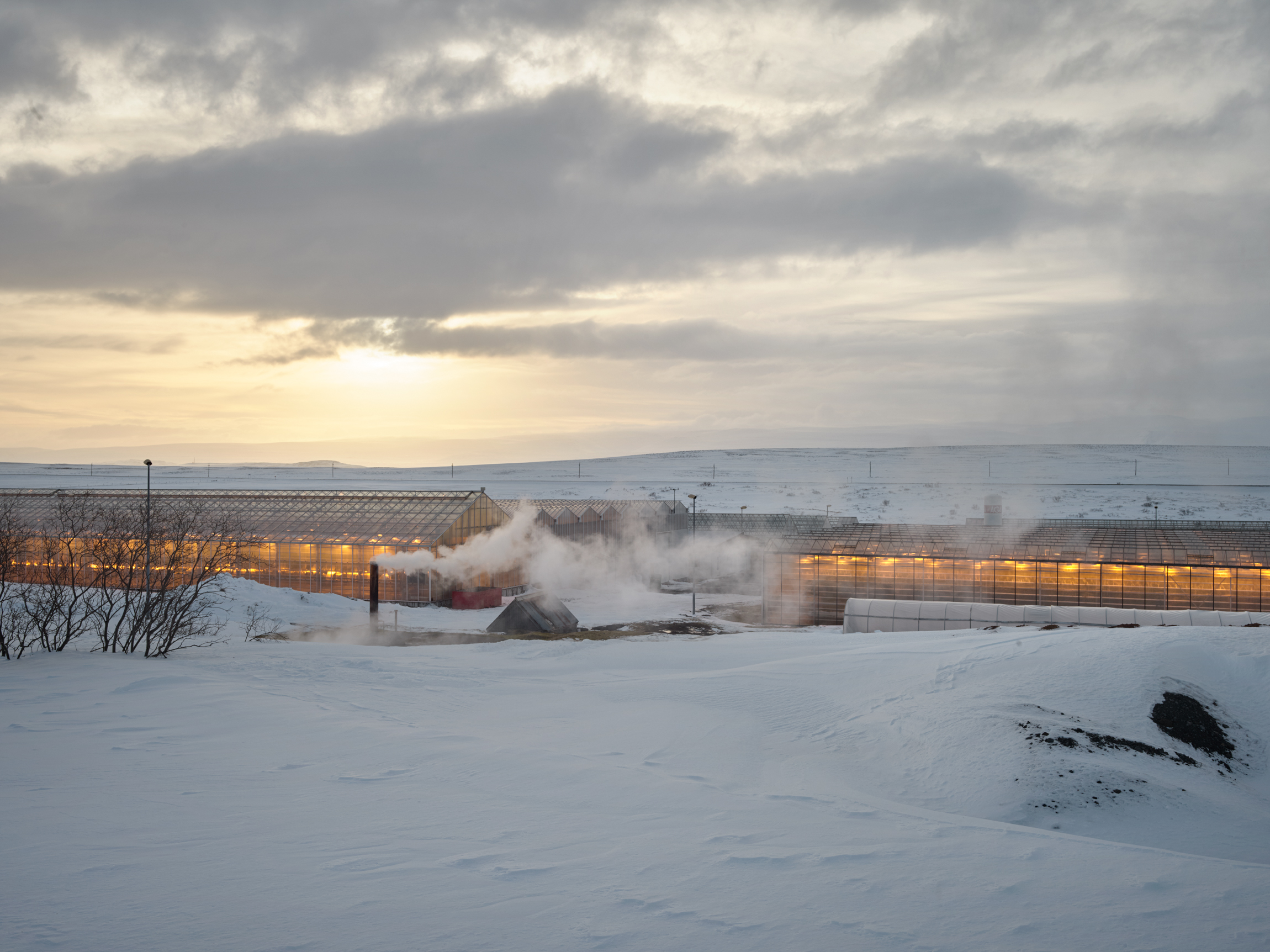
In March 2020, a week before the lockdown, we were in Iceland to talk about geothermal greenhouses and we filmed Knútur Ármann, a tomato grower in Selfoss. Knútur told us the deeply interesting story about how he grows organic tomatoes in a country where you cannot imagine that any kind of food production is possible. Tomatoes are 92% water, in this case the cleanest, purest water you can imagine, and they are lit and heated by the geyser’s inexhaustible free energy source.