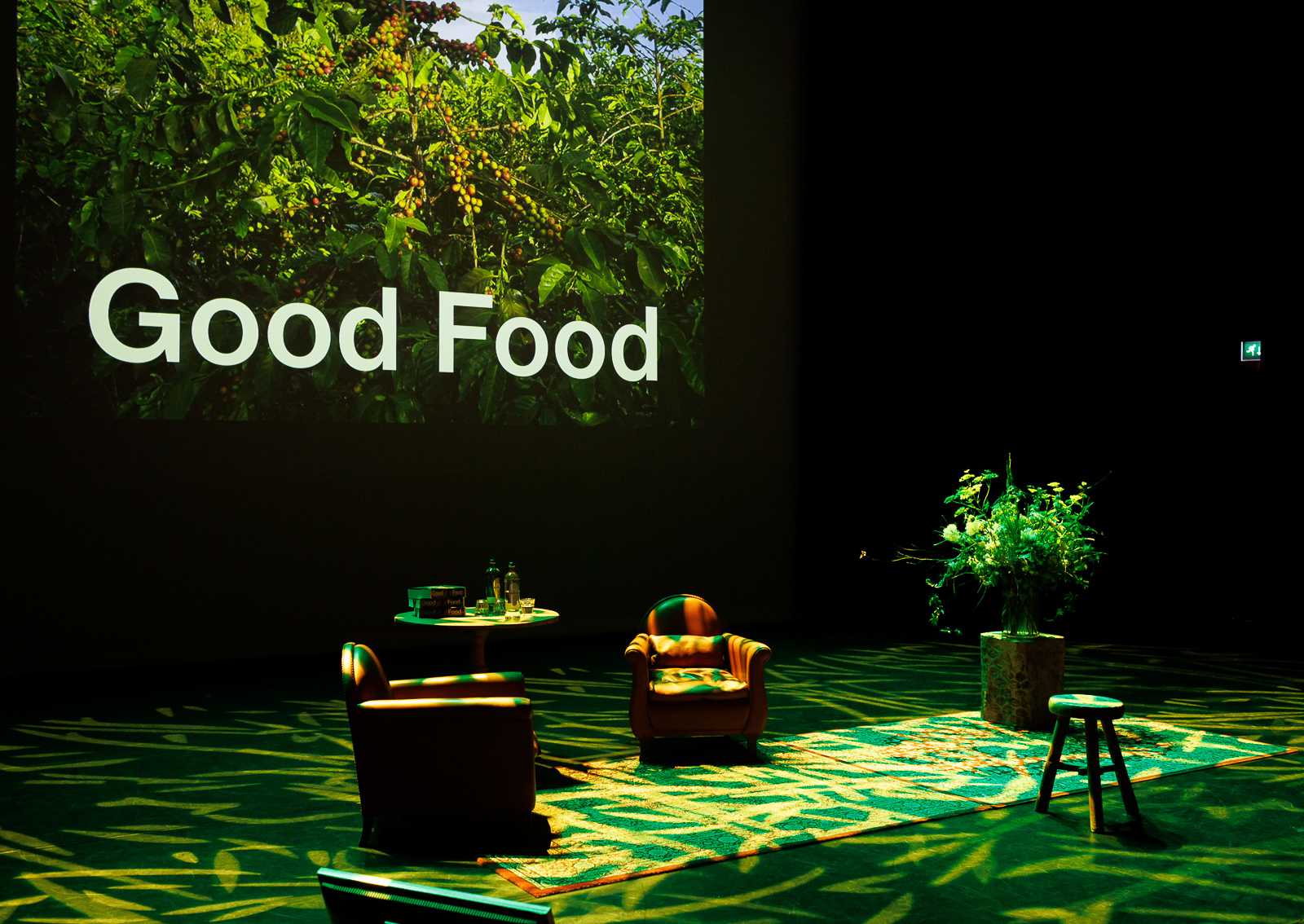
Ten inspiring speakers, entrepreneurs, farmers, scientists, a world renowned pastry chef, thinkers and doers, each making a huge contribution to the much-needed agricultural transition from their own disciplines, shared their inspiring and hopeful stories with us on June 9th.
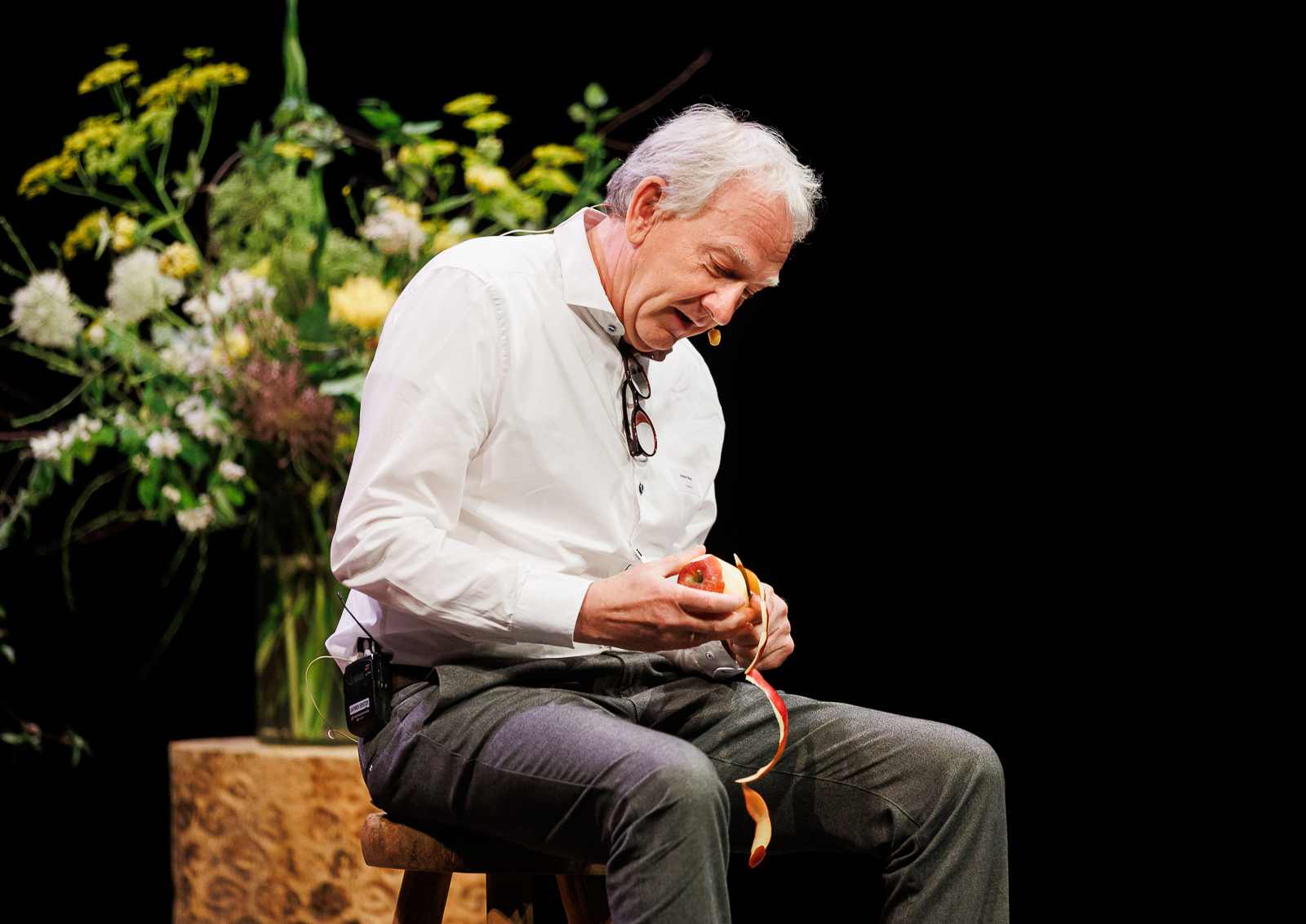 Peter Maes Director of Transformation, Koppert the Netherlands
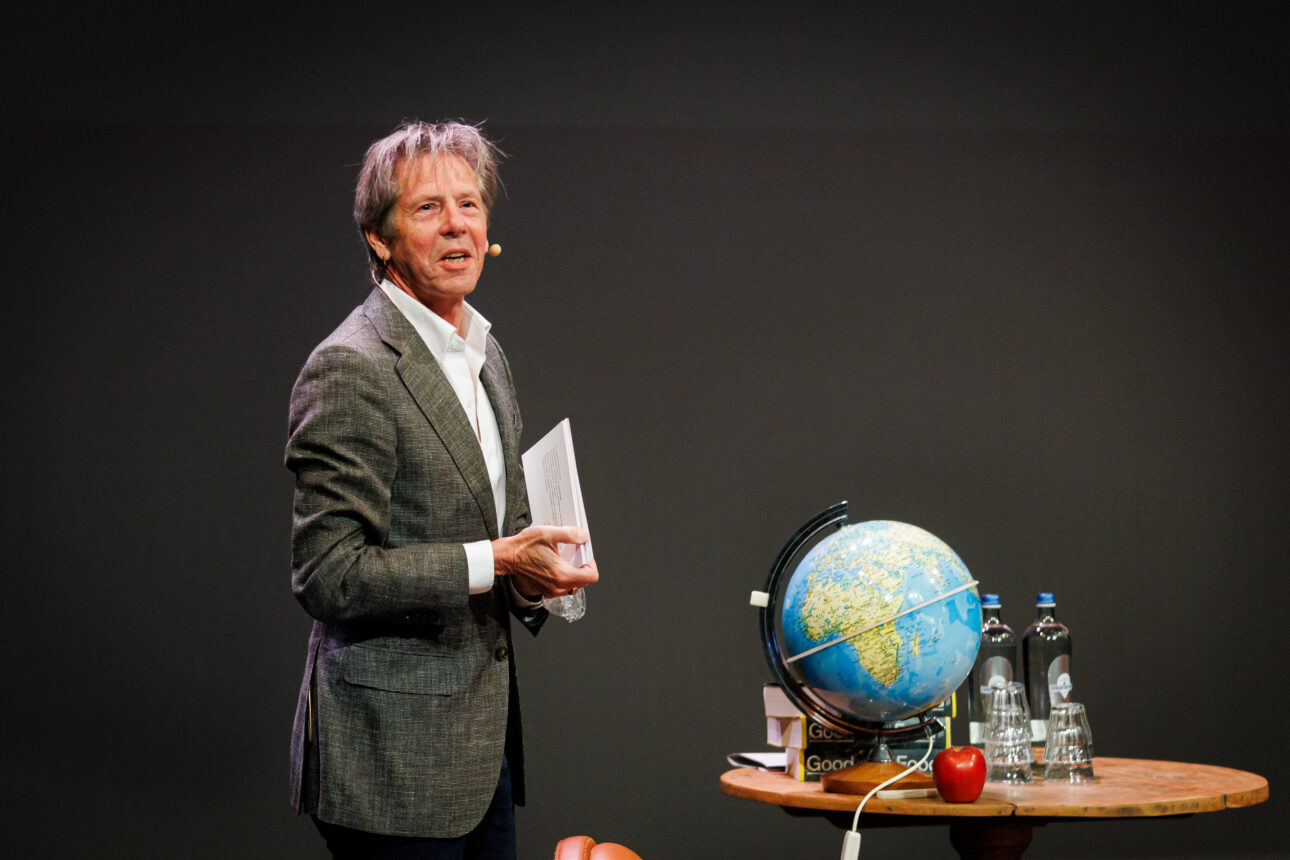
During his speech Peter stood up took an apple from the table and picked up a paring knives. He started peeling the apple.
‘Imagine this apple is our planet, with the seeds in the core, and around that the flesh and the thin peel that we know contains the most minerals and vitamins. This thin peel is the fertile soil on which and from which we have to live. Treating it with care, knowing that it’s only a very thin layer – that’s why I’ve now been devoting myself to making farming sustainable for more than 35 years.’
‘FIX WHAT WE BROKE’
Yanniek SchoonhovenTrainer Regeneration Academy La Junguera, Spain
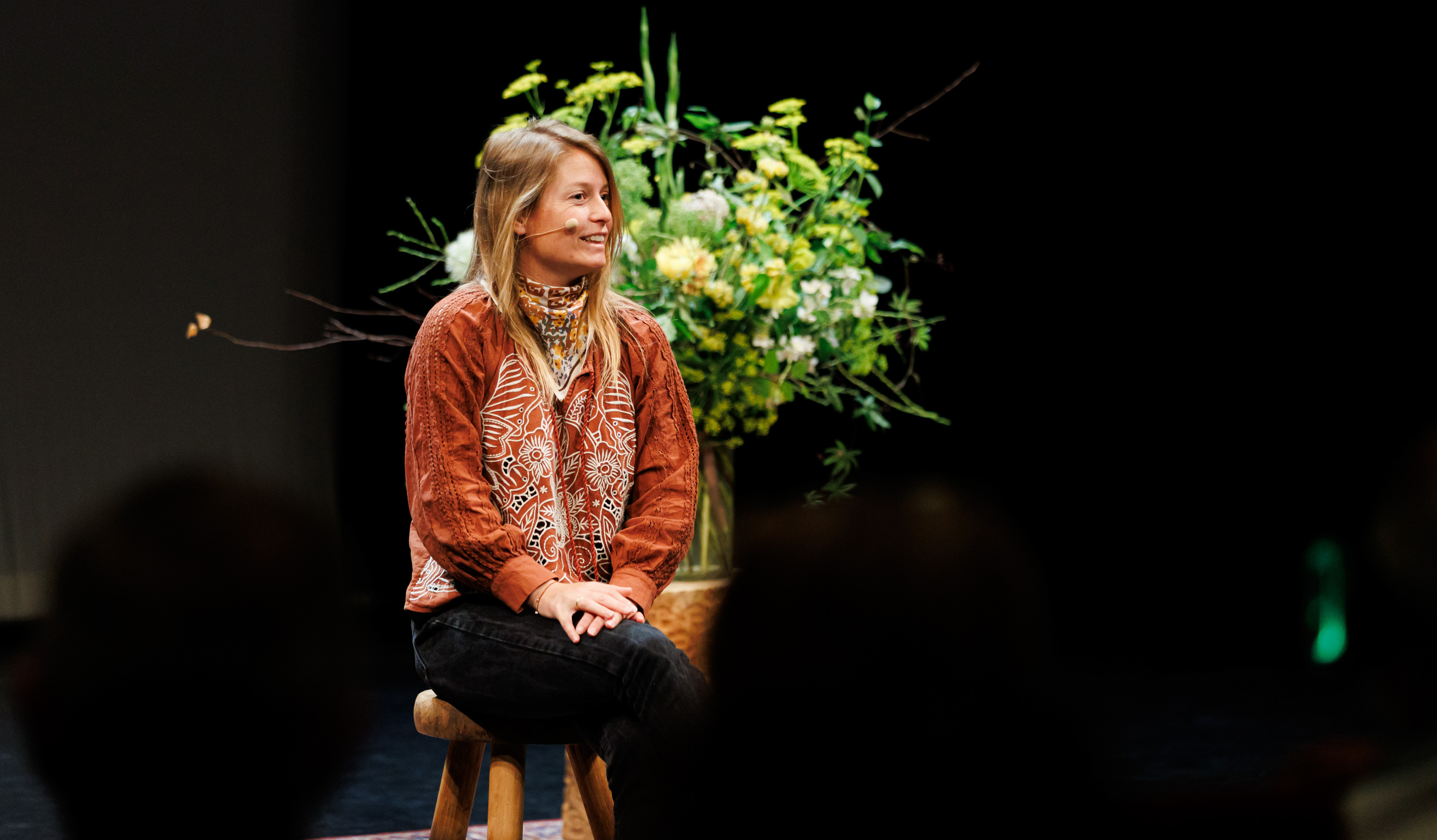 Yanniek Schoonhoven
Climate change is relentless. In the south of Spain, the desert is encroaching; it is demanding and unforgiving land for farming. That is why it is a tremendously inspiring experience to witness that efforts to restore the soil and bring back biodiversity can bear fruit. For her thesis, the Dutch Yanniek Schoonhoven came to La Junquera, a large and diverse farm. But love made her stay, and she joined us to talk about her farm and reforestation projects, and also, about La Junquera’s vision as a center for education, collaboration, and support for farmers in that challenging region.
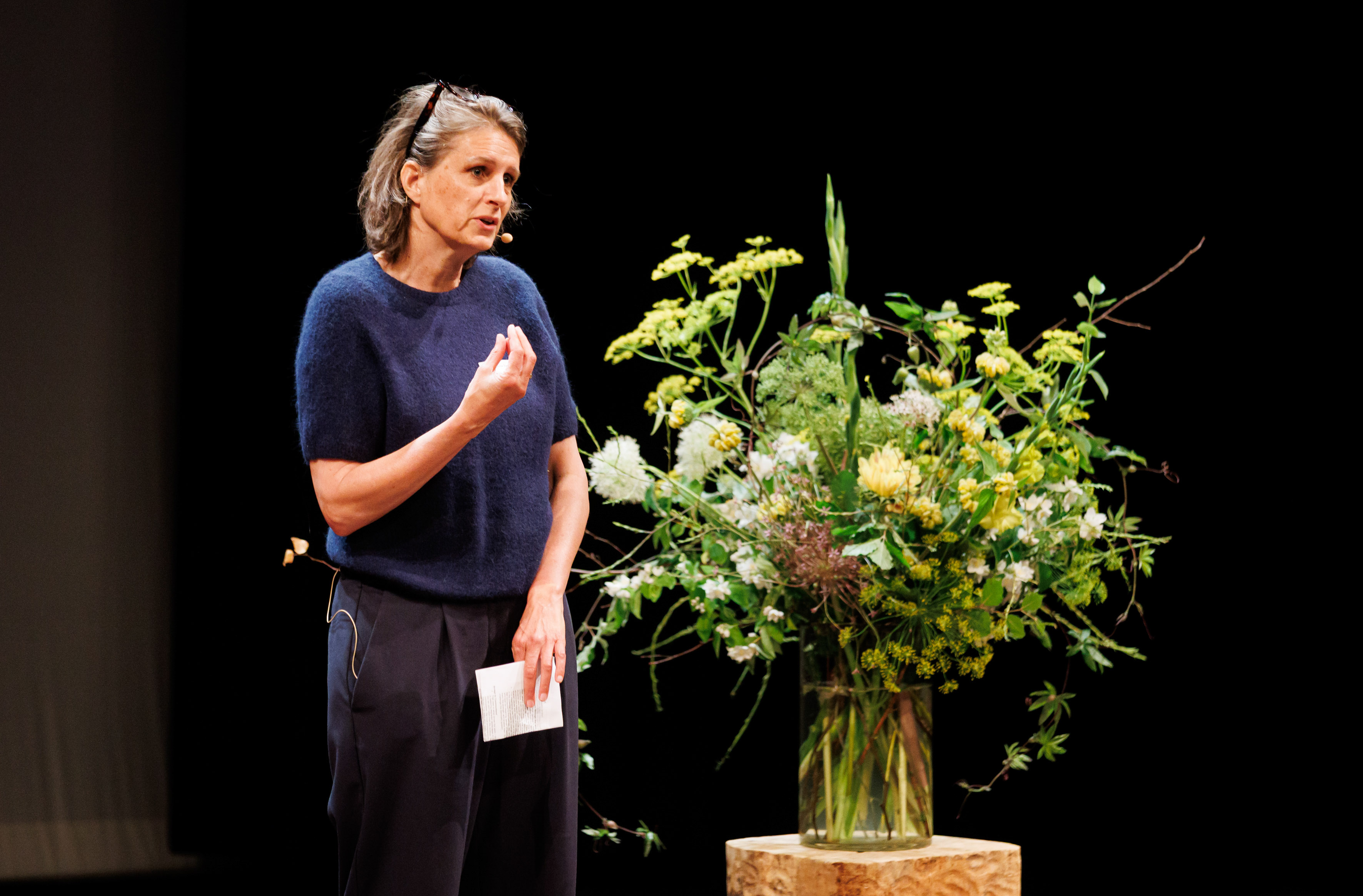
‘Landscape degradation effects us all. From climate change and biodiversity loss to pollution and food insecurity, it is at the heart of the world’s biggest challenges’
Gabrielle TausManaging Director Commonland the Netherlands
One of the biggest problems for the future of agriculture is the deterioration and depletion of the soil caused by the long-term use of artificial fertilizers and pesticides. A different, regenerative form of agriculture cannot simply start on such land. It requires time and careful application of scientific knowledge to allow soil life to recover. And that also means: a lot of money and organizational effort. Commonland was founded thirteen years ago as a non-profit organization that, with funds from large and small donors around the world, promotes soil restoration using a holistic method. With an eye for biodiversity and sustainable agriculture, but also for the income of residents and farmers.
‘Plant nutrition comes from soil nutrition. And what is soil nutrition? It is about the symbiotic relationship between the plant, the microbiome and the fungi in the soil.’
Vikash AbrahamCEO of Urban Farms CO, India
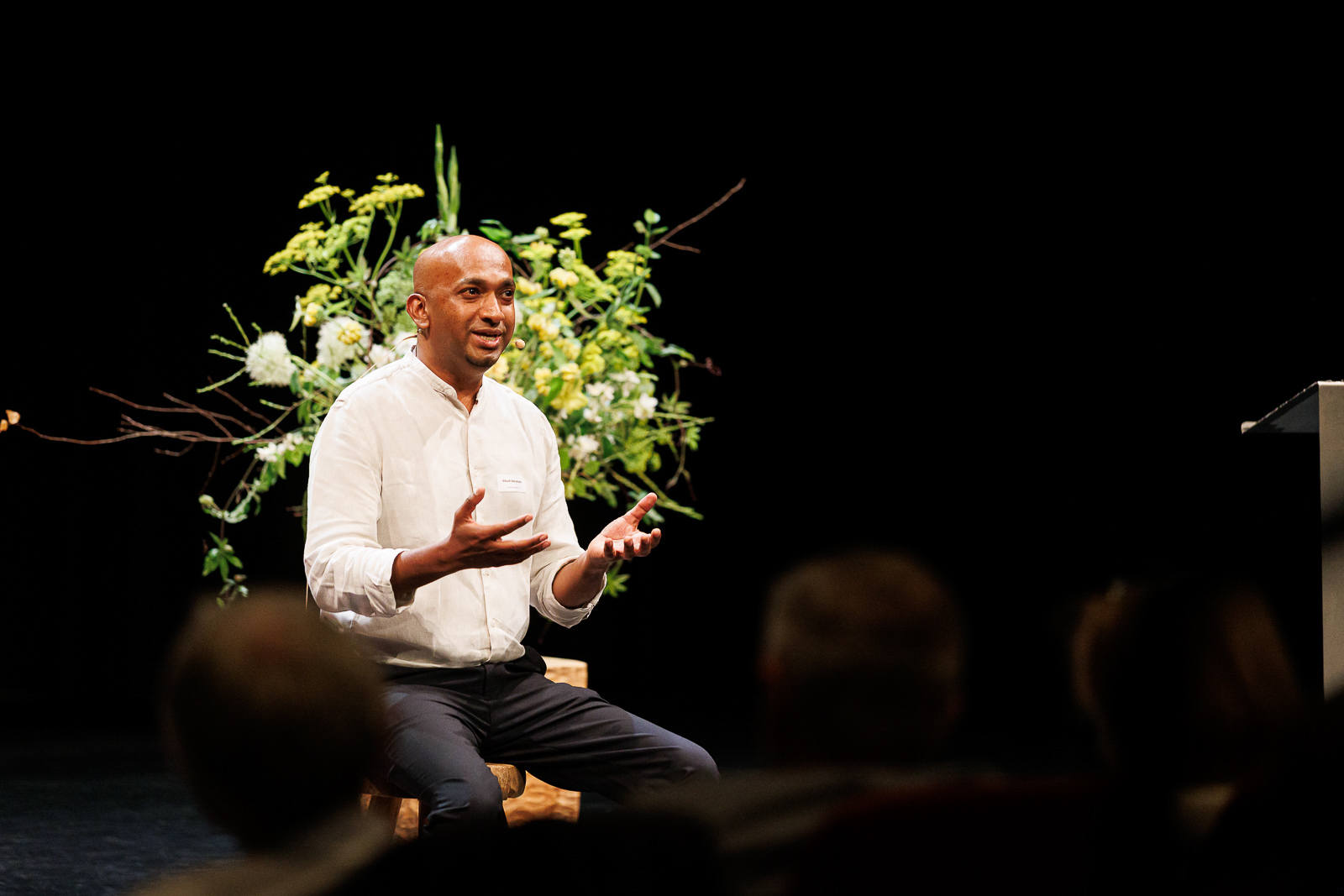 Vikash Abraham, India CEO of Urban Farms CO
Urban Farms Co, has what it calls fertility hubs in different parts of India. In the north outside New Delhi and around Mumbai. The people at Urban Farms Co, collect the farmers’ waste, mostly paddy stubble, and produce a rich compost out of it, partly because of the local micro-organisms. They provide the farmers with the know-how needed to revitalize the soil. Urban Farms also runs a logistics network to buy the vegetables and deliver them to supermarkets in the city within 24 hours, thereby increasing yields, guaranteeing a good price, providing access to a profitable market and bringing nutritious, healthy food to consumers. By working in this way, it takes responsibility for the entire food chain.
While the practice of Urban Farms CO finds its inspiration in biodynamics and traditional Indian farming, the fertility hubs do their own research, supported by empirical experiments, and by the latest ecological, biochemical and genetic science.
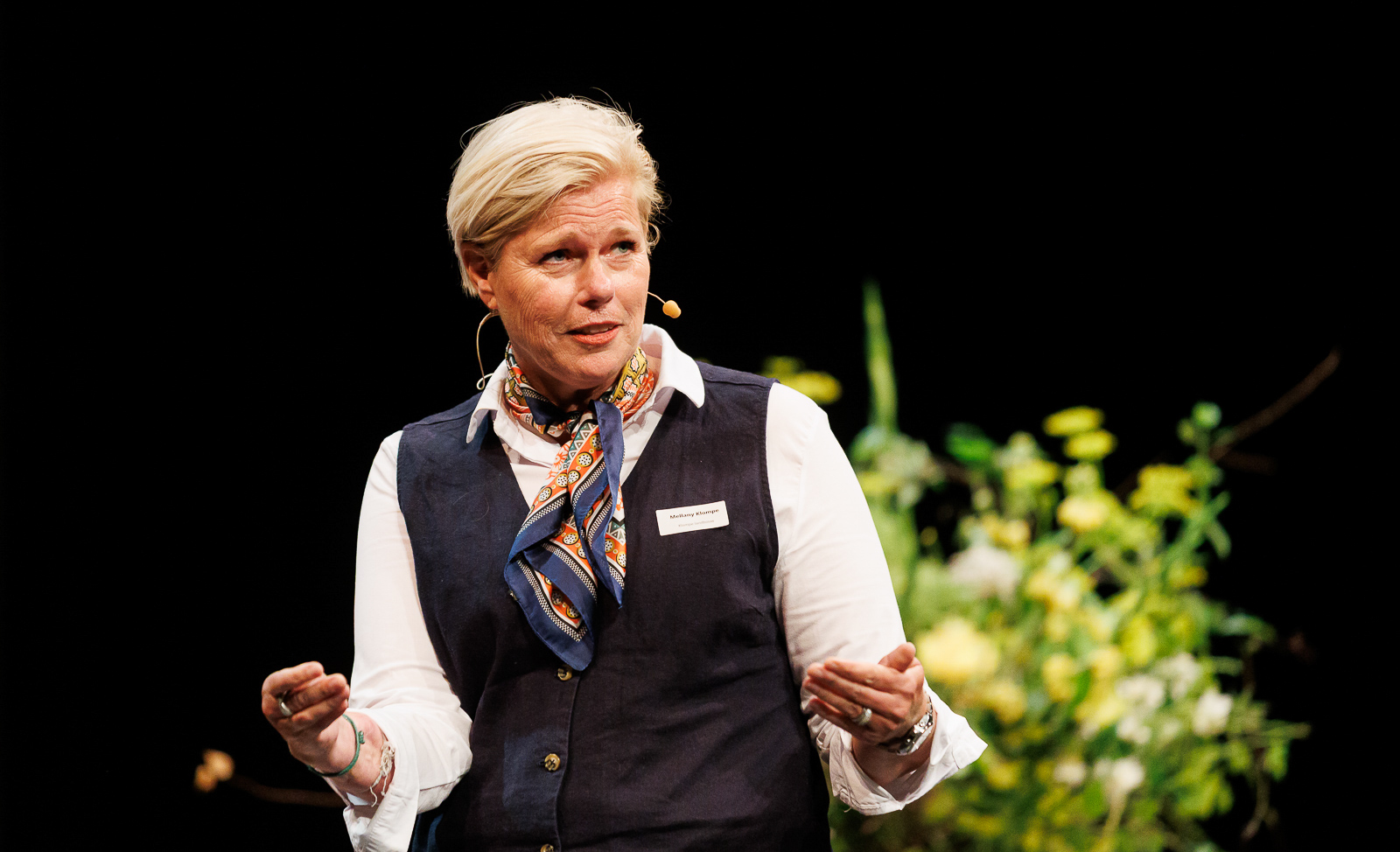 Mellany Klompe, Regenerative farmer at Klompe Agri and founder of the Soil Heroes Foundation the Netherlands
Mellany and her husband Jeroen run a farm in De Hoeksche Waard, a big one: 360 hectares of sea clay. Ten years ago, they made the transition to regenerative agriculture, and after a challenging period of trial and error they figured out how to revive the soil and improve its water-absorbing quality, as well as how to diversify the crops to achieve healthy and profitable yields. They grow potatoes, red onions, shallots, carrots, brown beans, soybeans and grains.
With a background in environmental work for public organizations, Mellany sought ways to accelerate the transition to regenerative agriculture and started the Soil Heroes Foundation. Its purpose is to support research and innovation in regenerative farming, and to engage farmers and people from all walks of life to be part of the necessary transition in our agricultural and food system.
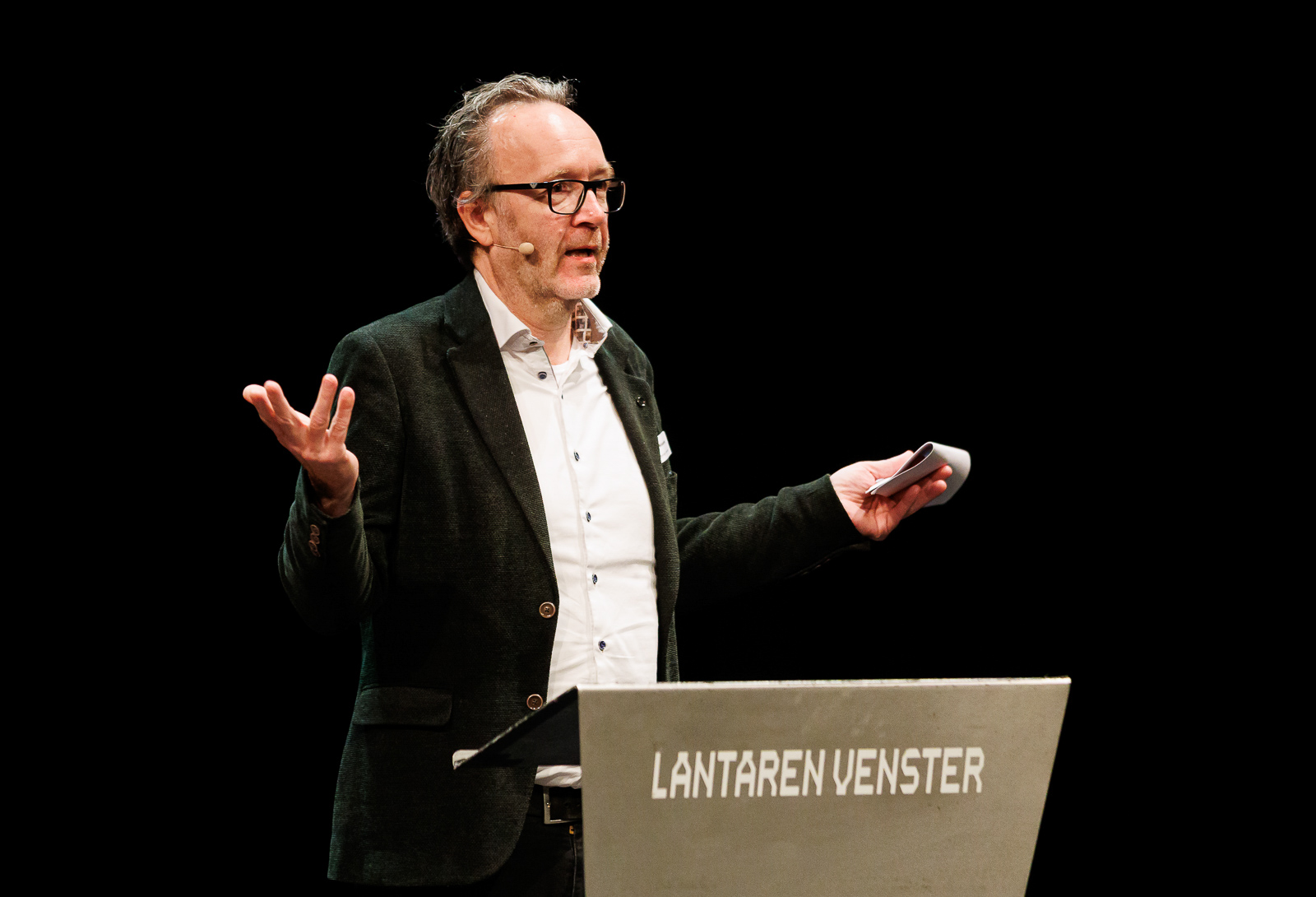 Han Wiskerke Professor of Rural Sociology at WUR, the Netherlands
The societal dimension of the problems and developments in agriculture and rural areas is of crucial importance when discussing regenerative agriculture and the pursuit of the sustainable cultivation of healthy food. Han Wiskerke has been conducting research into precisely this his entire life. City and countryside cannot exist without each other, and the relationships between them are becoming increasingly complex and fraught with conflict. Han Wiskerke is someone who has actively sought out the initiatives, models, and movements existing in Europe to bring the sustainable agriculture of the future and new food systems closer. For him, too, an alternative to conventional industrial agriculture is essential, not only for the future of healthy food but also for restoring the social quality of life in the countryside. There must be strong communities that provide future generations with a human perspective as well as an economic one for working in the farming business.
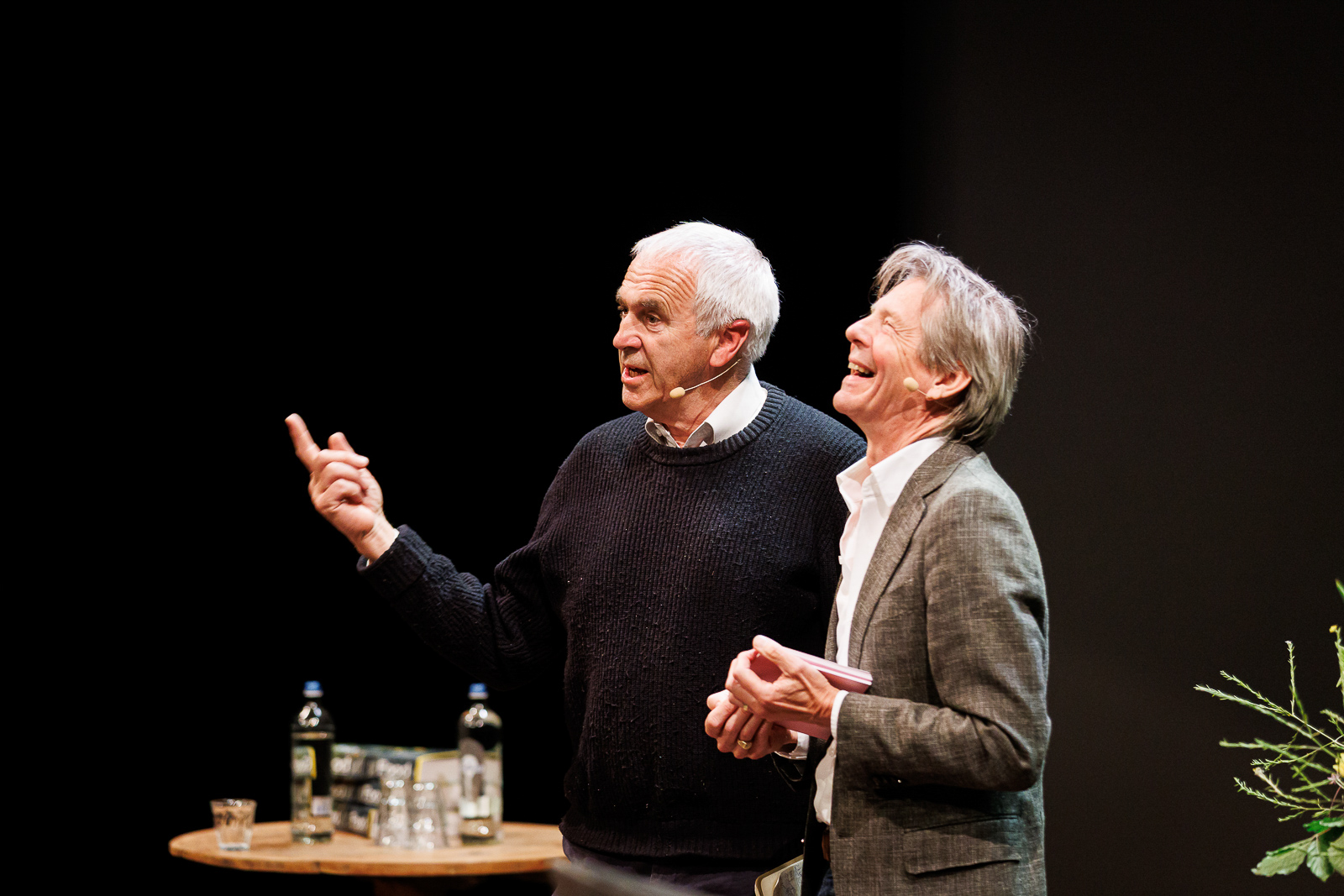
‘A farmers responsibility is to build soil fertility’
Patrick HoldenFarmer, Chief Executive of the Sustainable Food Trust, United Kingdom
In the seventies, as a typical ‘back-to-the-lander’, Patrick started an organic dairy farm in the Welsh hills. Now run together with his wife and son, it produces Hafod, an organic raw milk cheddar cheese. His day job, as he describes it, involved serving as a director of the Soil Association in 1995-2010, starting the British Organic Farmers organization in 1982, and being a patron of the Biodynamic Agricultural Association and of The Living Land Trust.
In 2010, out of Bristol, he set up The Sustainable Food Trust, which works internationally to accelerate the transition to more sustainable food systems. In 2005 he was made a Commander of the British Empire (CBE) for his services to organic farming.
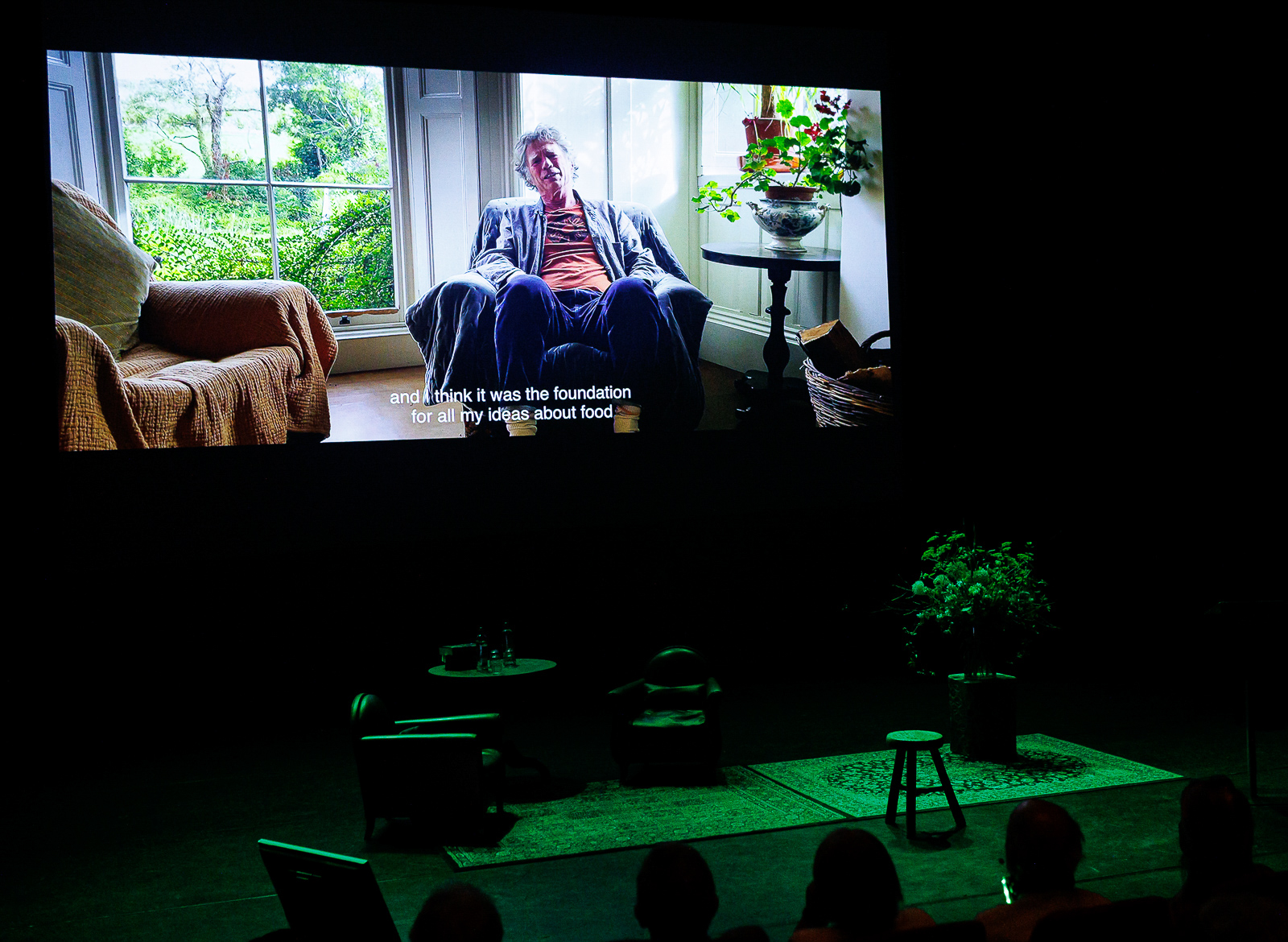 Guy Singh-Watson, Founder of Riverford, United Kingdom
Guy’s father was a tenant farmer and his mother was a fantastic cook. ‘I grew up eating this wonderful food, most of which had been grown on the farm. It was shared around a big long table with all my siblings, relatives and the people who worked on the farm. And there was a lot of love in that, actually, and I think it was the foundation for all my ideas about food and perhaps even about business’.
He became a farmer, growing organic vegetables and not many years later set up Riverford, a company that delivers organic veg boxes to consumers. His main drive is to restore the relationship between farmer and consumer, cutting out the supermarket system that holds agriculture in a choke hold. He is convinced organic food does not have to be expensive and elitist. Riverford operates in a way that ensures a fair deal all round, for growers, employers, customers and the planet. He thinks fairness and some degree of equality are inextricably bound together with sustainability.
Who is Guy Singh-Watson is what we wanted to ask him on stage. But unfortunately he could join us so we shared the film we made with him and it worked out as if he was there.
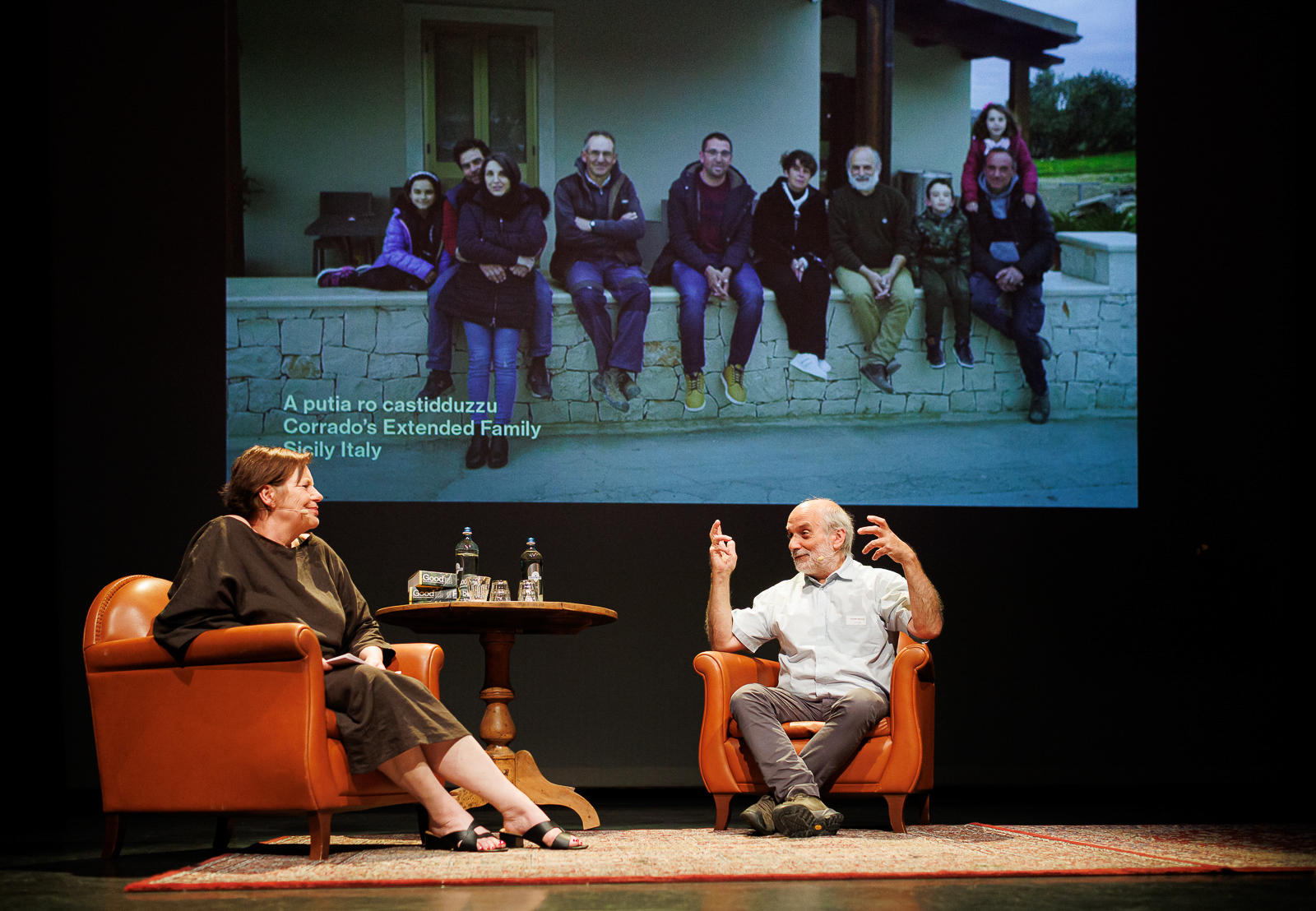
‘We have been pastry chefs for four generations. Our approach to making pastries begins in the countryside. It always has.’
Corrado AssenzaCaffè Sicilia, pastry chef and agronomist, Italy
There are regions, villages, companies where ancient methods have continued to exist imperturbably since time immemorial. And sometimes a new generation is needed to build on those valuable remnants of the past, to let them flourish in a new era. Something like this happened around the pasticcheria of Corrado Assenza’s aunt in the coastal town of Noto in Sicily. He grew up there, hung out in the kitchen, visited the family-owned orchards where the almonds, lemons and cherries came from for the delicacies. After his studies in agronomy, he returned and wanted to make the best gelato, the tastiest cakes and cannoli that exist. He bought additional land, sought contact with local gardeners and farmers and now provides the kitchen with his Caffè Sicilia with partly home-grown and other local ingredients.
In his view, there is a direct and compelling link between the land, the local varieties of olives, almonds, cherries, figs and apricots and the food culture and therefore the identity of a region.
The quality of all this rests on one foundation: the respectful, circular and toxic-free cultivation of the old, native crops and the care for the landscape. Hanneke and Corrado took us behind the scene making the story, meeting Corrado’s extended family, talking about his pasticcheria, his sources of inspiration and the worldwide resonance that his working method has received.
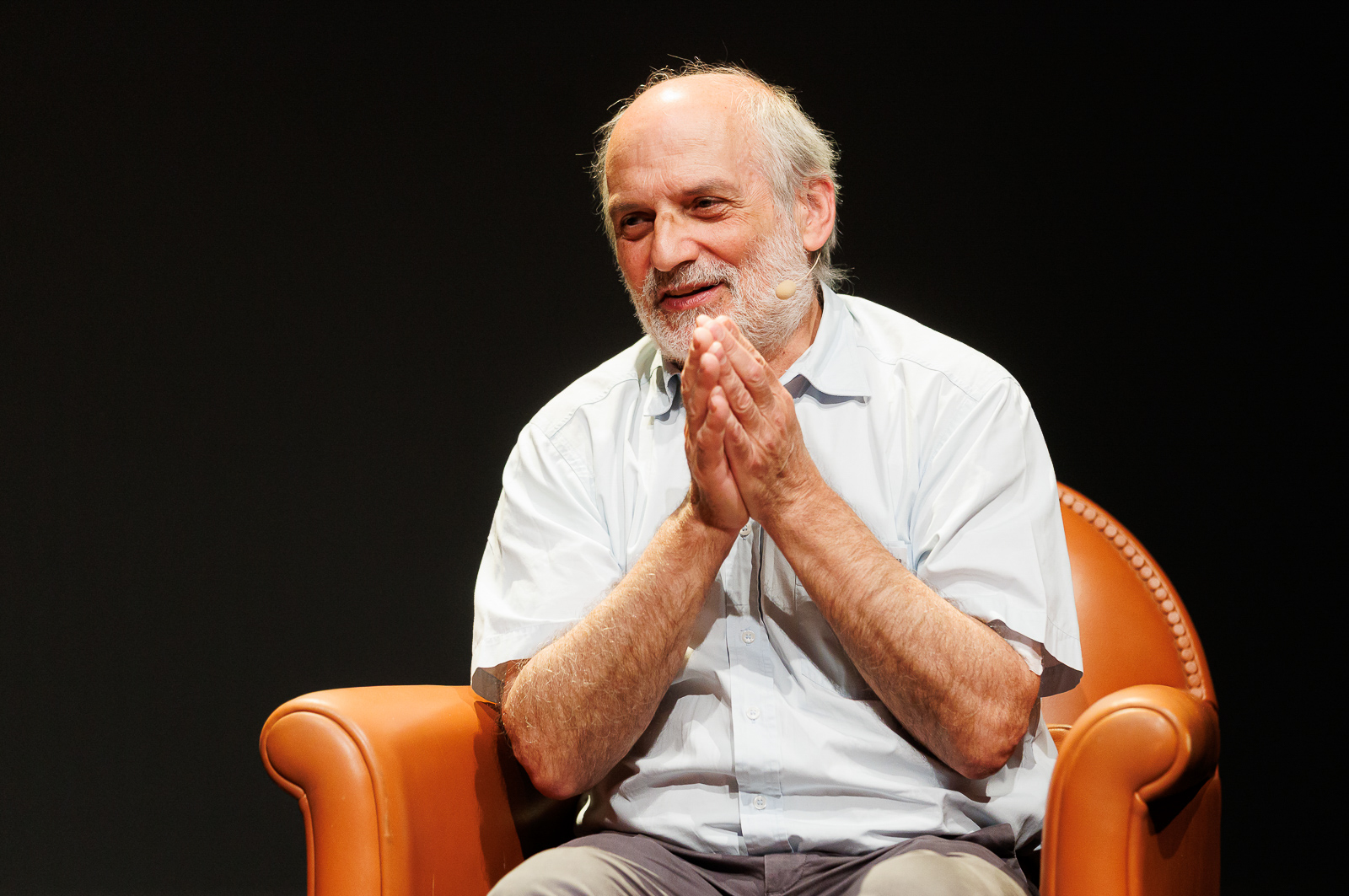 Corrado Assenza Caffè Sicilia, pastry chef and agronomist, Italy
‘Today, global warming is changing everything. It rains less and less and the drought is felt more and more. We need to rebuild the relationship between man and earth.’
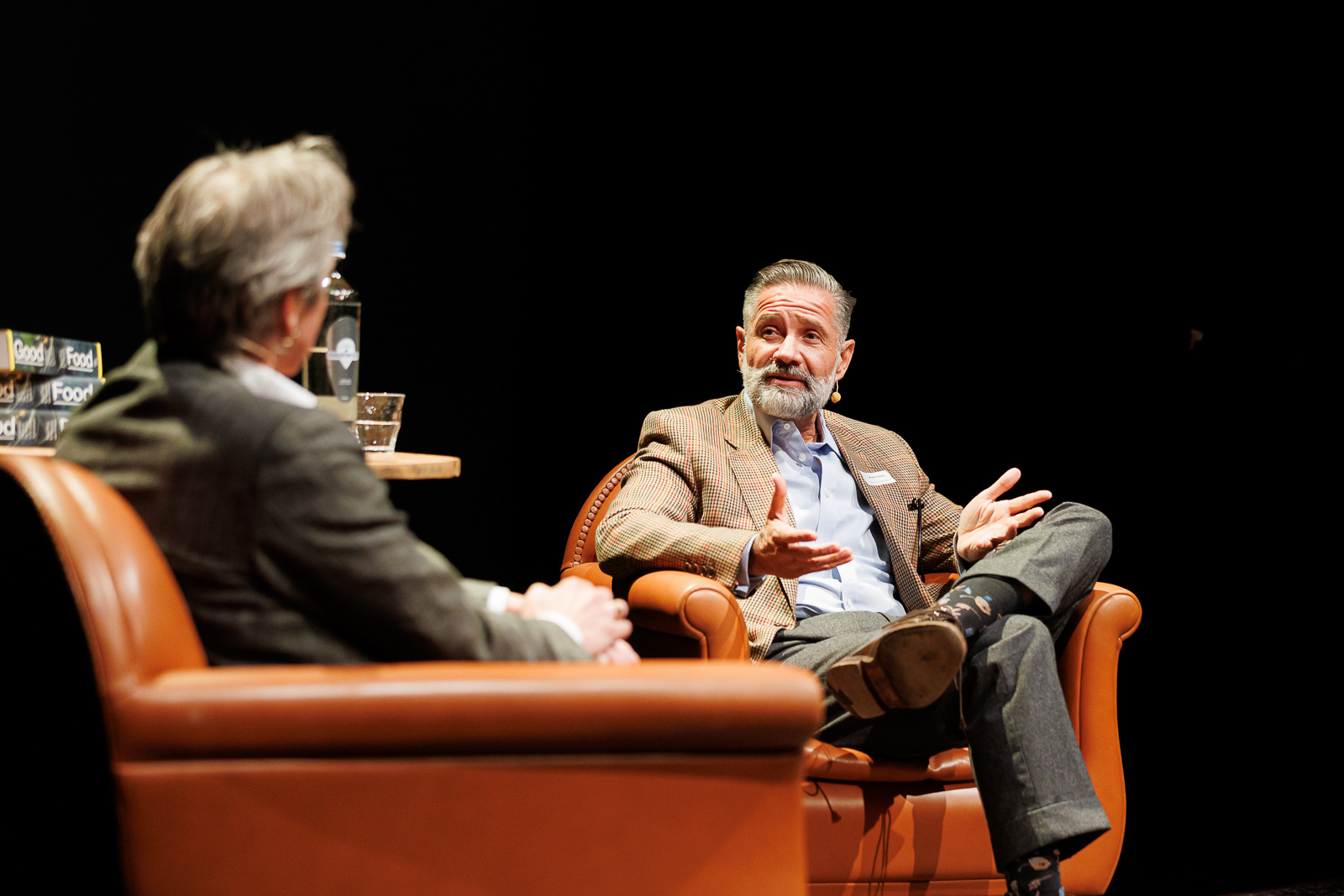 Alvaro Nieto and Dirk van Weelden
‘Once you help nature restore the balance, you restore everything. Even your economy, and that is pretty amazing'
Alvaro NietoGrower, Agrilo Santa Amalia Ranch, Mexico
Alvaro Nieto took over the Agrilo Santa Amalia farm from his father in Central Mexico and grew vegetables and all kinds of lettuce varieties for the American market on a large scale. The authorities set strict requirements for food safety, including traps for rodents every few meters. There were mice and frogs in those traps, but they turned out not to eat the crops, they came to drink the water with which Alvaro sprinkled his lettuce.
Through curious and patient observation, he found out that his yield only improved if he created waterholes, planted trees and placed native shrubs and herbs around his fields. It attracted birds, which reduced the insects. He had to irrigate less, hardly use any pesticides and he has restored a biodiverse landscape. This is the story of someone who had the courage to trust his open attention to plants and animals and to act accordingly.
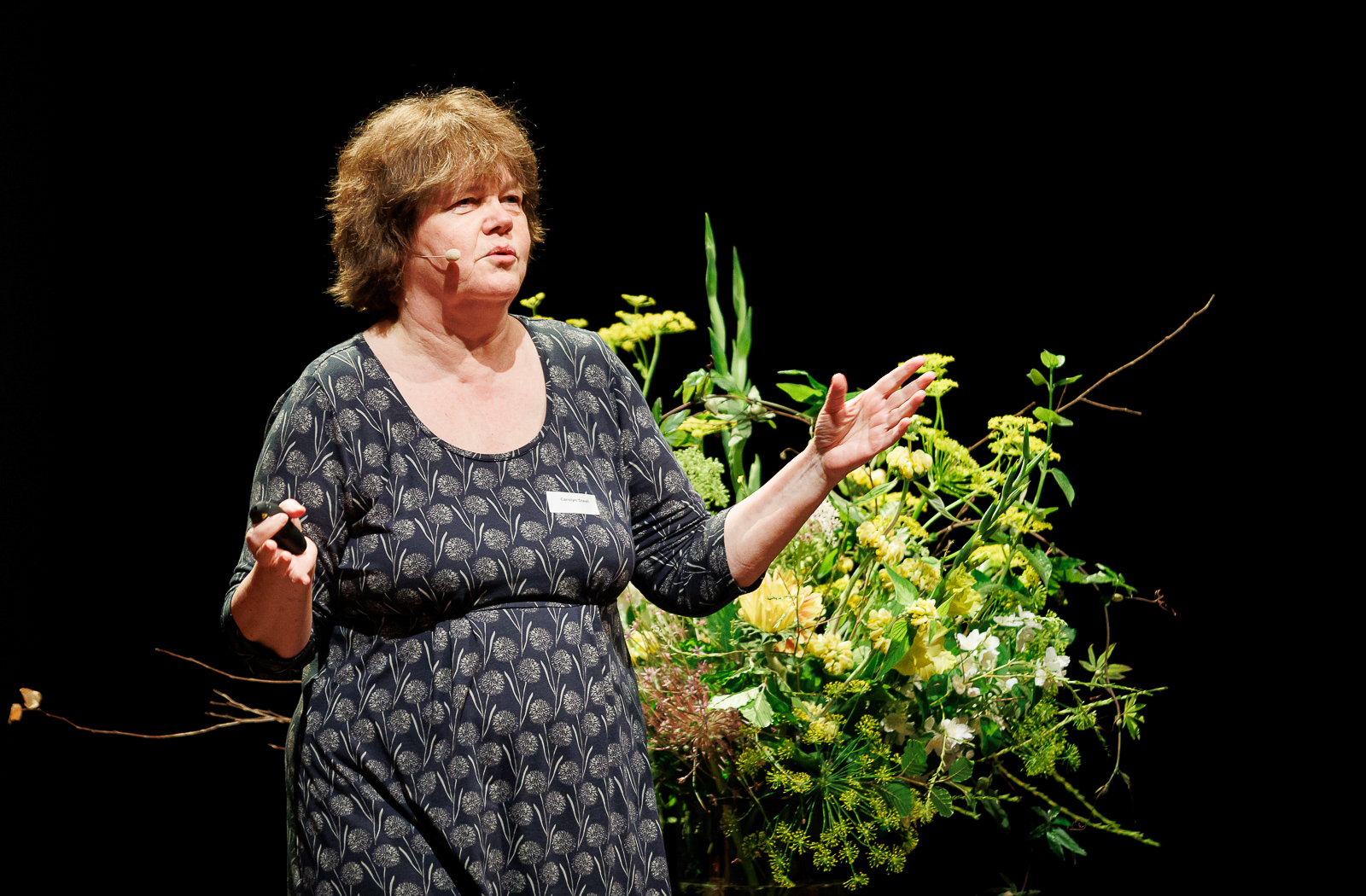
‘Look through the lens of food and you can address all the catastrophes in the world’
Carolyn SteelArchitect and Writer, United Kingdom
It is such a splendid image: someone who was trained and has worked as an architect and urbanist, becomes fascinated with the ancient and extremely diverse connections between the food and drink that can be found on a market square in Rome and the landscapes and communities these products originate from. To better understand this eternal city and all other cities, and the networks that connect cities and countryside.
This dimension in human history is of an ancient and fundamental nature, which makes it all the more astonishing Carolyn Steel’s work can appear as an eye opener. Her books show that in the production, transport, trade, processing and consumption of our food all the forces that determine the world order in which we live, come together. She succeeds in making sense of the world from the perspective of a bag full of groceries and a plate of food. More than ever before we need thinkers who are able to show functional relationships between our health, our sense of self determination and well being in such a concrete way.
Carolyn Steel is such a thinker, who not only offers us a sharp and uncompromising analysis of the destructive and unjust forces that dominate our food system, but also stresses that that is not the end of it. The fact that this is about our food, that is in front of us every single day, and determines our health and social life, makes the choices for alternatives that respect life on earth, human communities and cultures, so powerful and significant. It is a hopeful and inspiring thought: the choice to improve our food system in an ecological and social sense, could very well present us with the key to a better world.
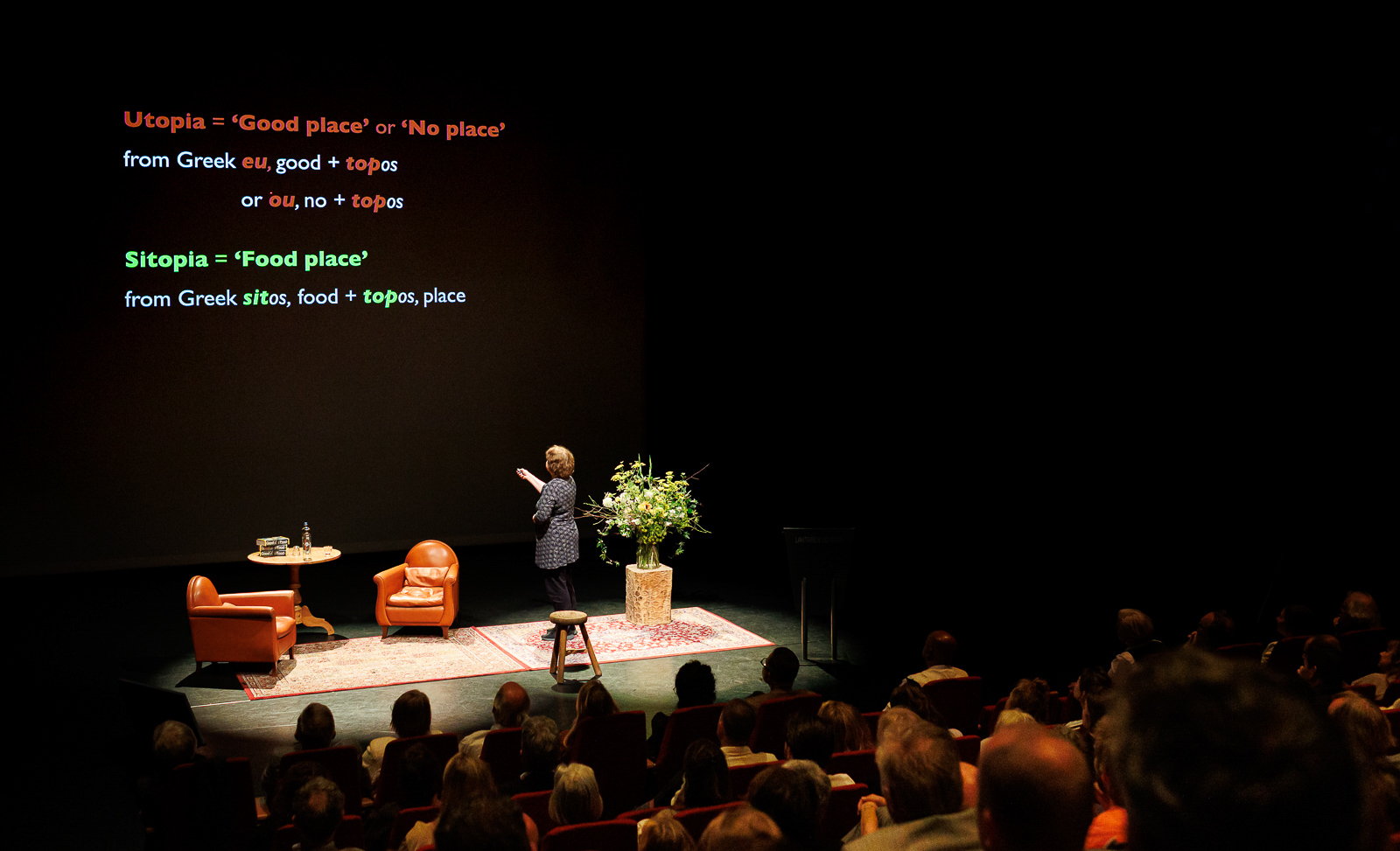
‘No matter how it is achieved, the key to our future rests on valuing food, farming in harmony with nature and reconnecting city and country. By putting the Oikonomia back onto economics, we can build the sort of liveable, resilient communities we shall need in order to thrive in the twenty-first century’.
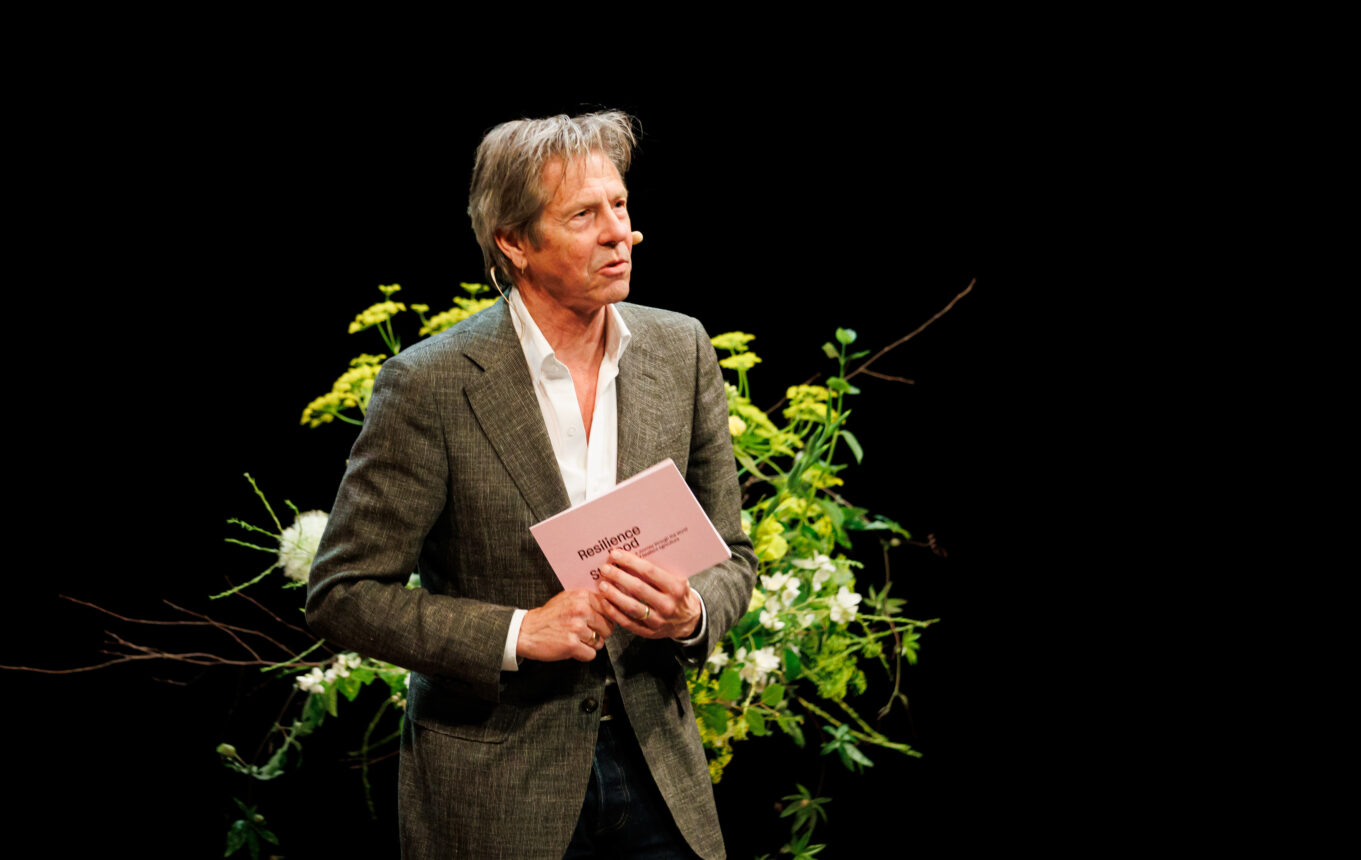 Dirk van Weelden
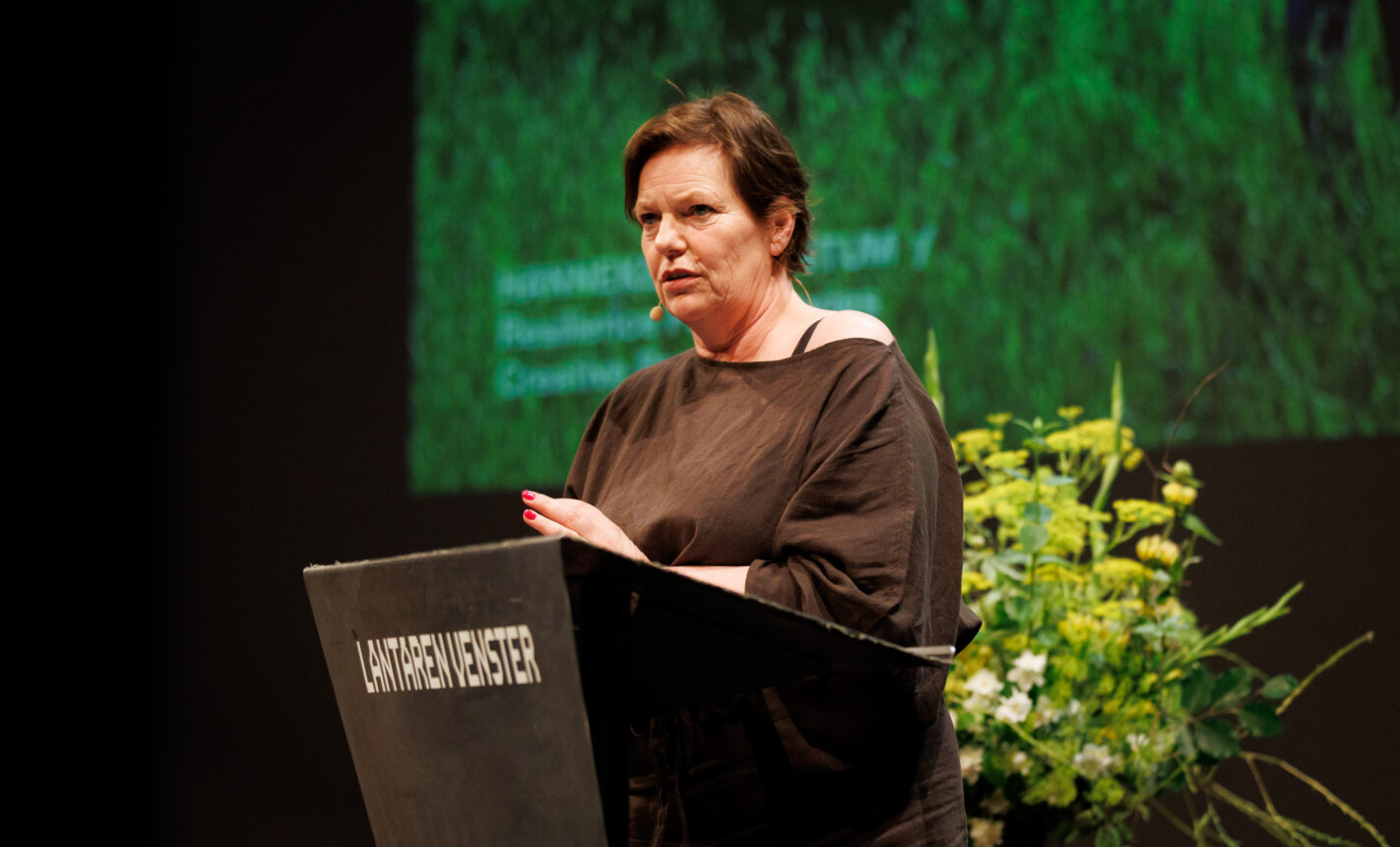 Hanneke van Hintum
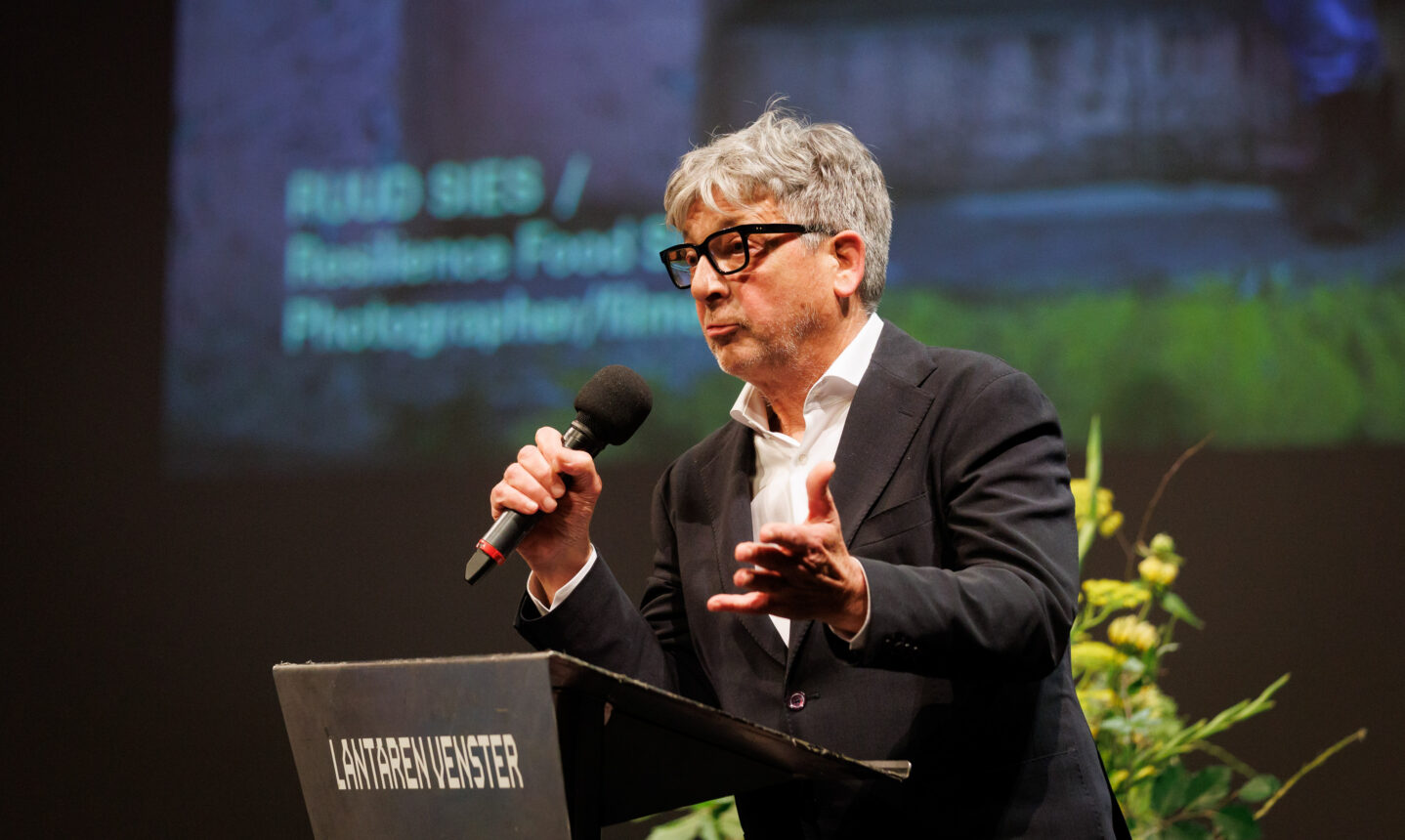 Ruud Sies
Dirk van Weelden
Hanneke van Hintum
Ruud Sies
Dirk van Weelden
Hanneke van Hintum
Ruud Sies
Ruud Sies
Dirk van Weelden
Hanneke van Hintum
Ruud Sies
Dirk van Weelden
Hanneke van Hintum
Ruud Sies
Since 2017 I’ve been travelling the globe with my partner Hanneke van Hintum, making photographic documentaries and short films about the lives, businesses and motives of farmers and growers who produce healthy food in collaboration with nature, without using pesticides or artificial fertilizers. The best thing we discovered on our travels was that striving for nature-inclusive, sustainable agriculture is about far more than climate, farming and healthy food. Farming is a culture, a way of living together with nature. We saw that nature-inclusive agriculture is connected, all over the world and in its different forms, with the regeneration of farming and communities. Consciousness of local history, the strengthening of education and local industry, economic prospects for young farmers and the preservation of the natural richness of the cultivated landscape – all of this turned out to be part of the same story. We want to tell our hope-filled and admirable stories far and wide, to get people of all descriptions, young and old, involved.
Ruud Sies
Resilience Food Stories
We aim to take you with us on our journey to visit farmers and growers from all points of the compass and in all possible climates, and to share with you our encounters and the stories that emerged from them. More than 100 hopeful stories about how it can be done, how we can spare nature and restore the land and communities. Our meetings with more than 120 farmers and their families were an exceptional experience in hospitality. We were overwhelmed by their open-heartedness, their perseverance and their dedication to the good cause, and struck by their admiration, sense of wonderment and respect for nature. That made our journeys inspiring, infectious and insightful.
Hanneke van Hintum
Resilience Food Stories
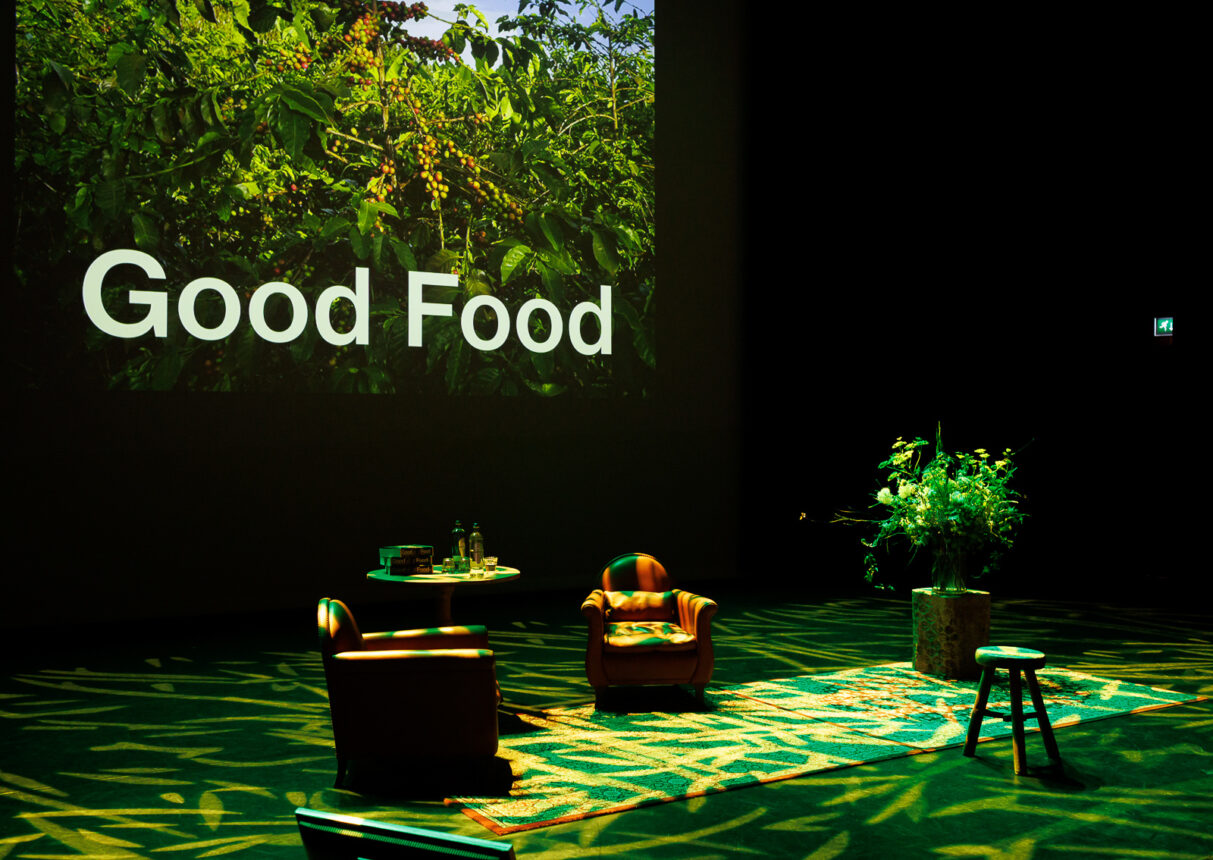
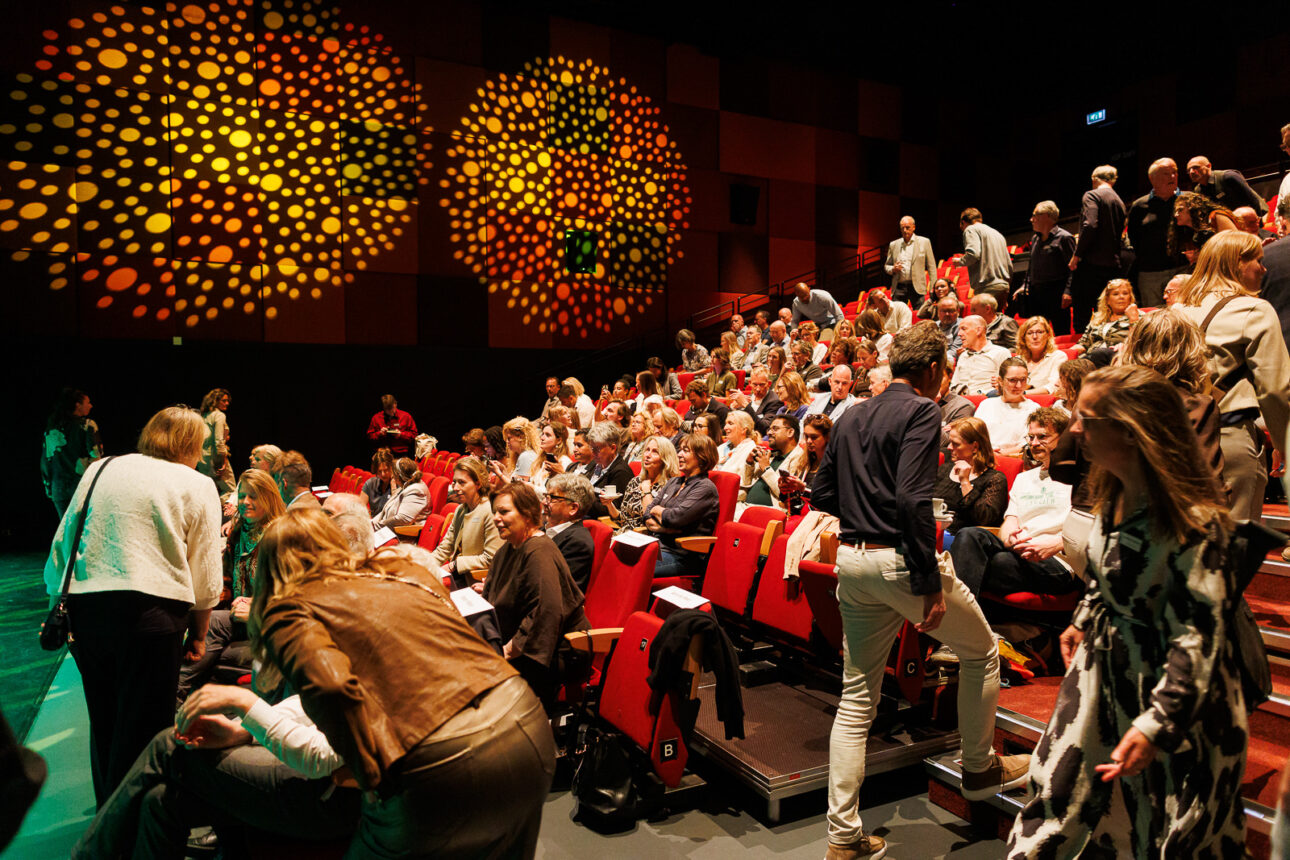
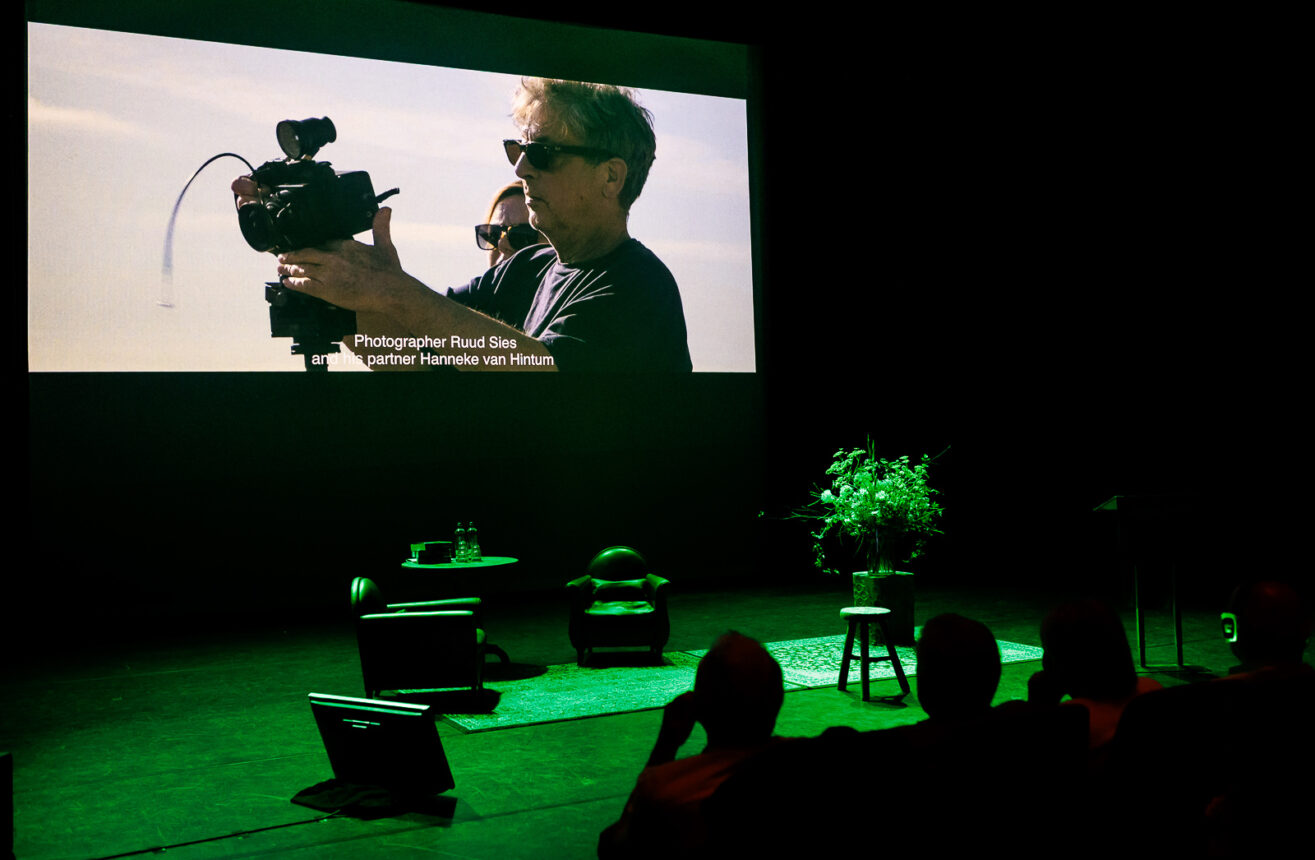
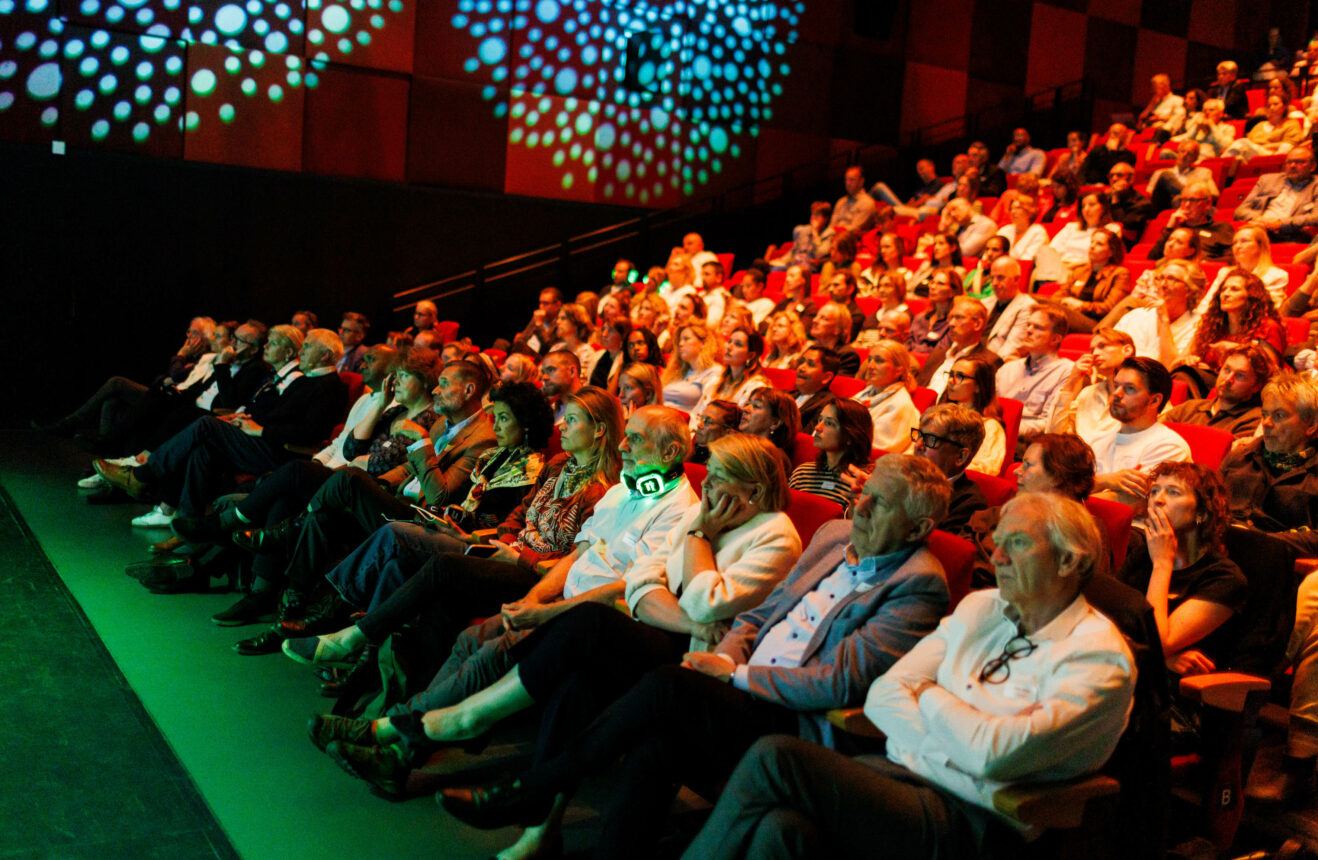
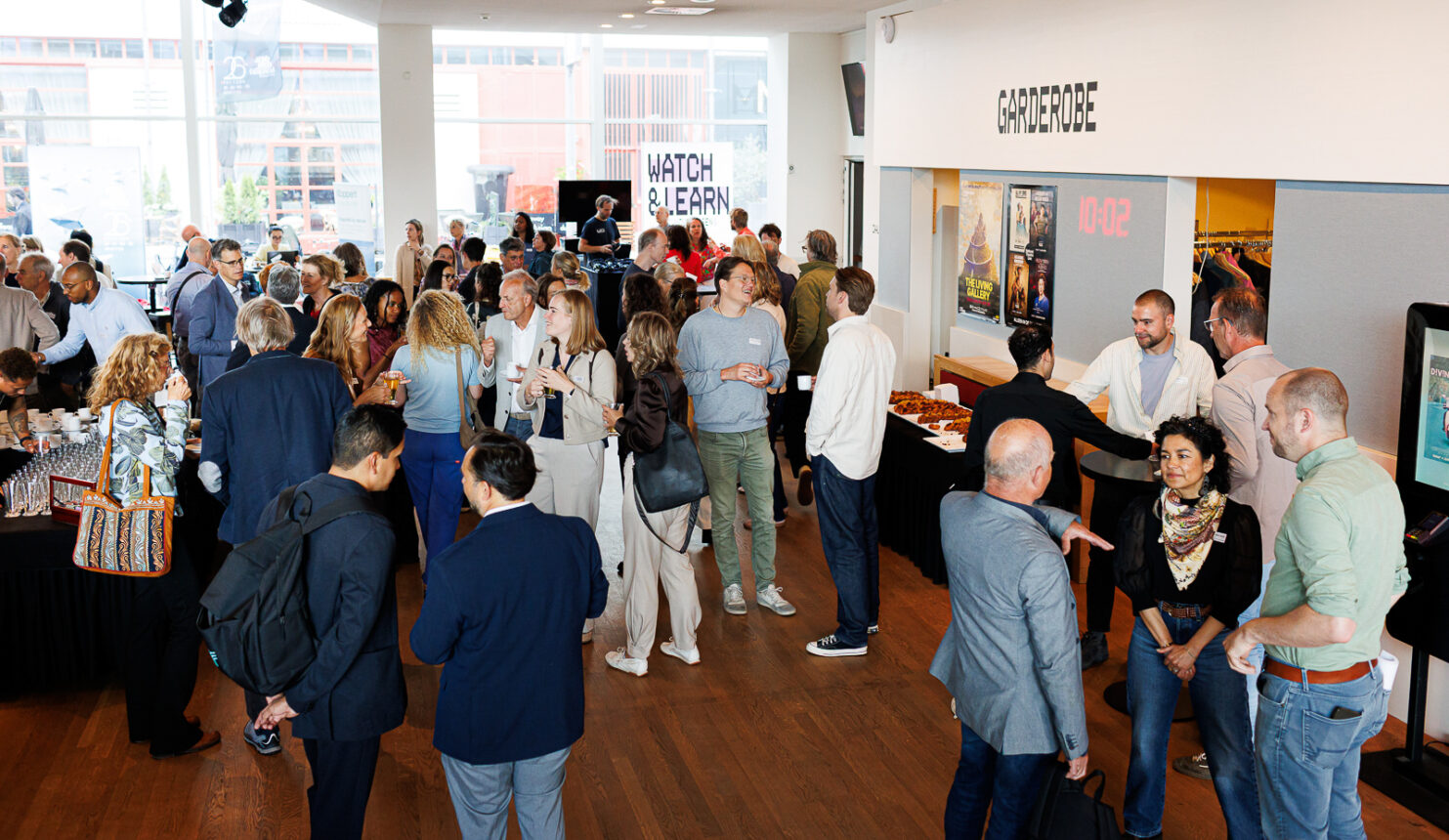
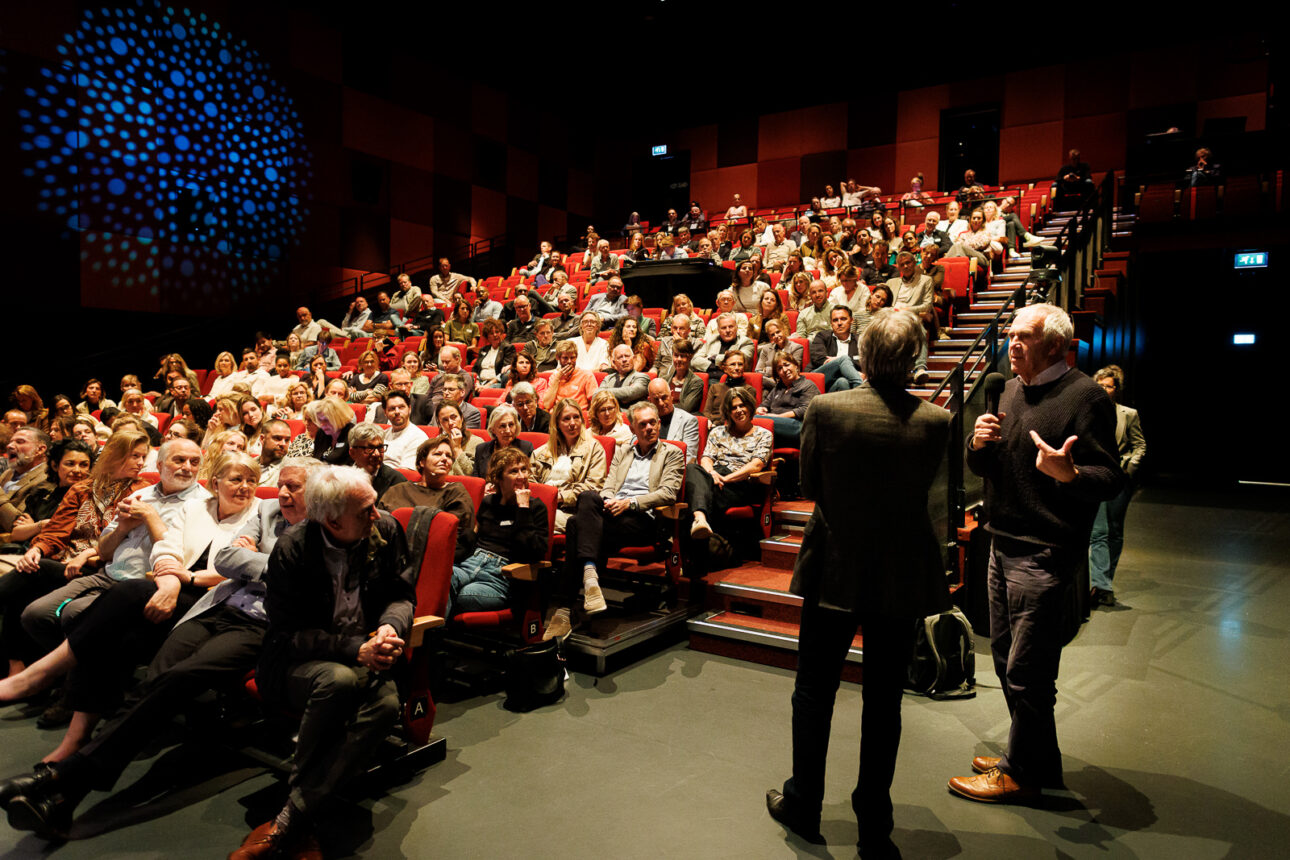
This seminar was held on Tuesday 9 June 2026, at Lantaren/Venster in Rotterdam, on the eve of the opening of the exhibition ‘Good Food. A Journey Through the World of Resilient Agriculture’, which opened to the public on Thursday 11 June 2026 at the National Museum of Photography (Nederlands Fotomuseum) in Rotterdam and is on show till 1 november.
This seminar, the book, the exhibition and the website mark the launch of the Resilience Food Stories project.
At the end of the day we walked over to have a preview of the exhibition.
We thank all for sharing this day with us.
Photocredits seminar ©Fred Ernst Fotografie
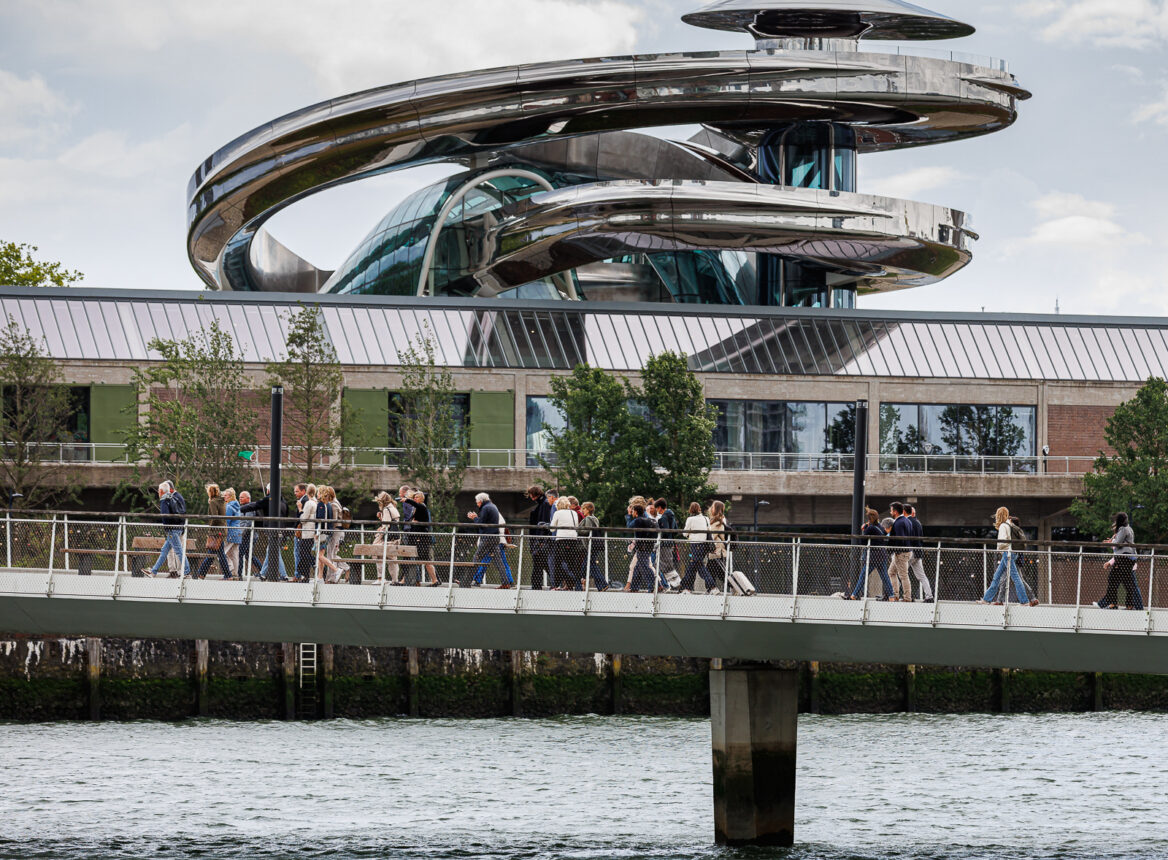 From conversation to exhibition
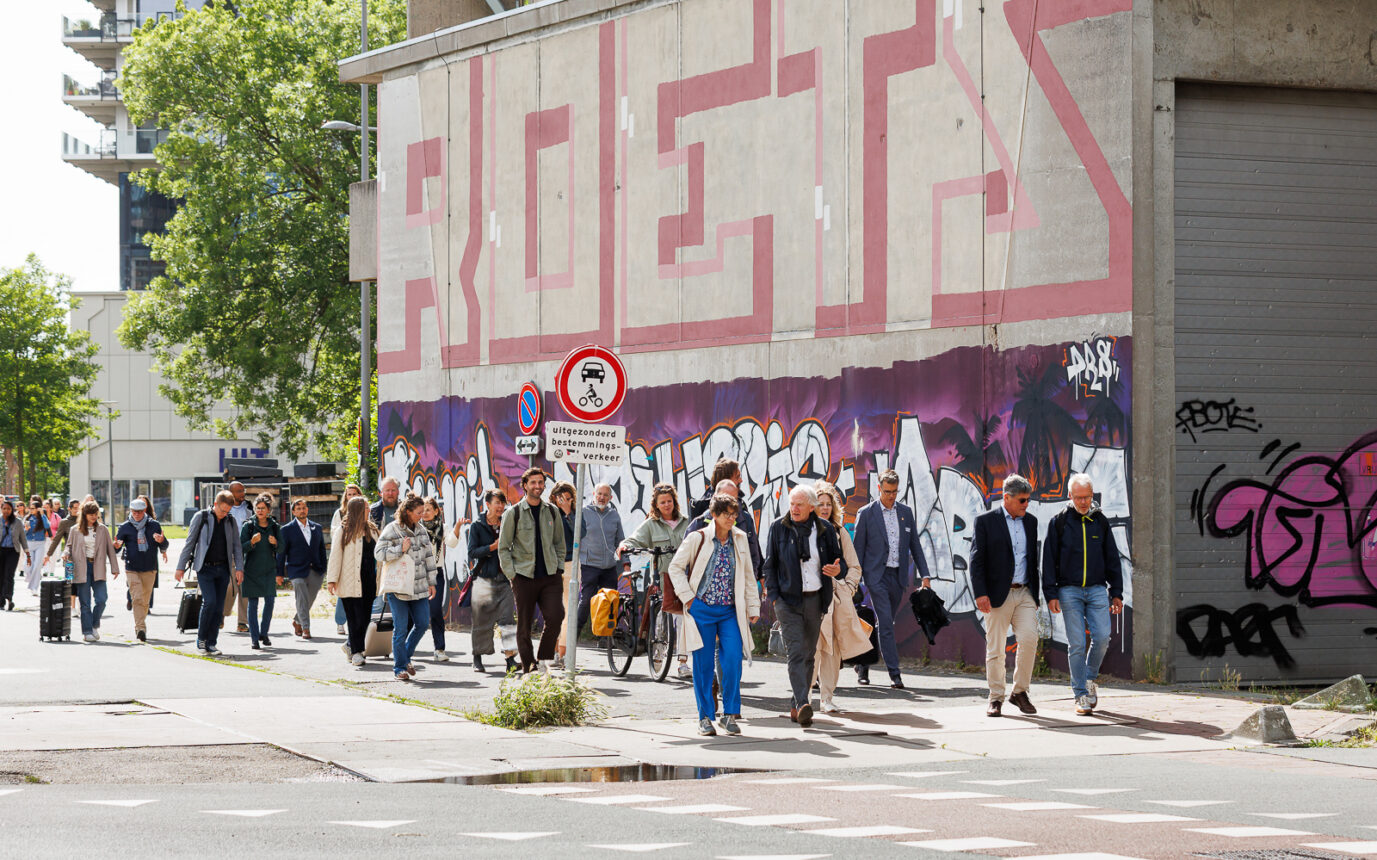 The conversations continued
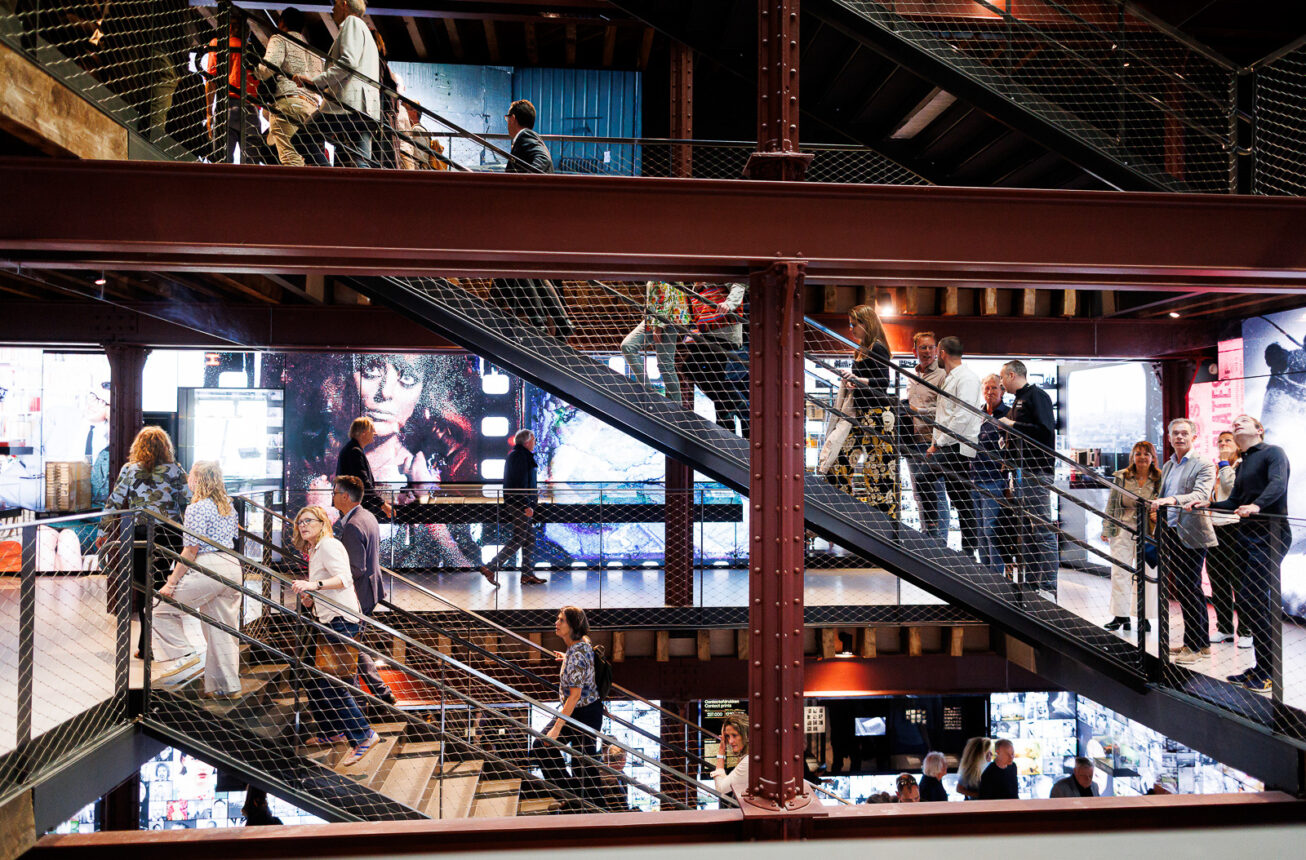 From conversation to exhibition
The conversations continued
From conversation to exhibition
The conversations continued
From conversation to exhibition
The conversations continued
From conversation to exhibition
The conversations continued