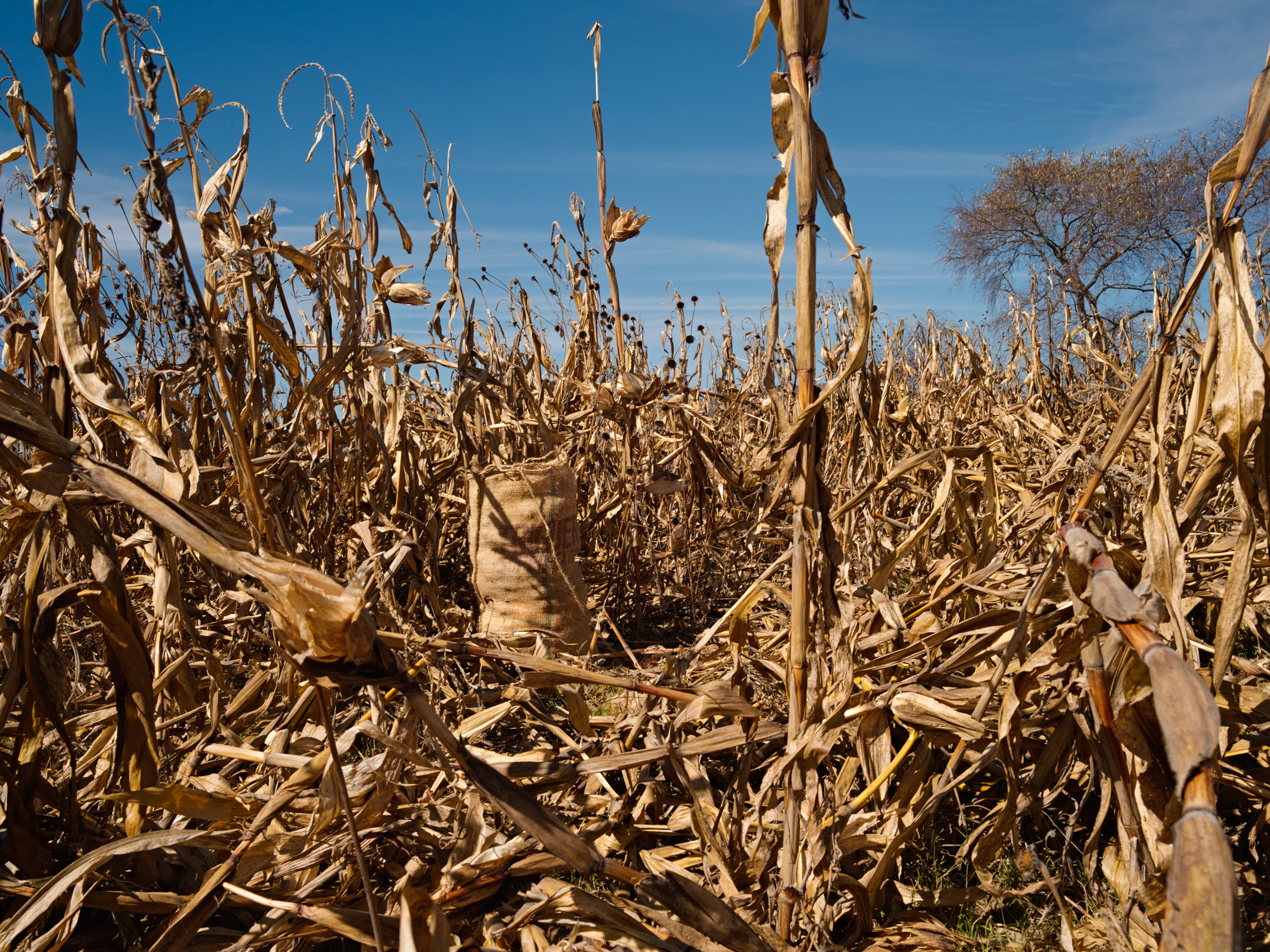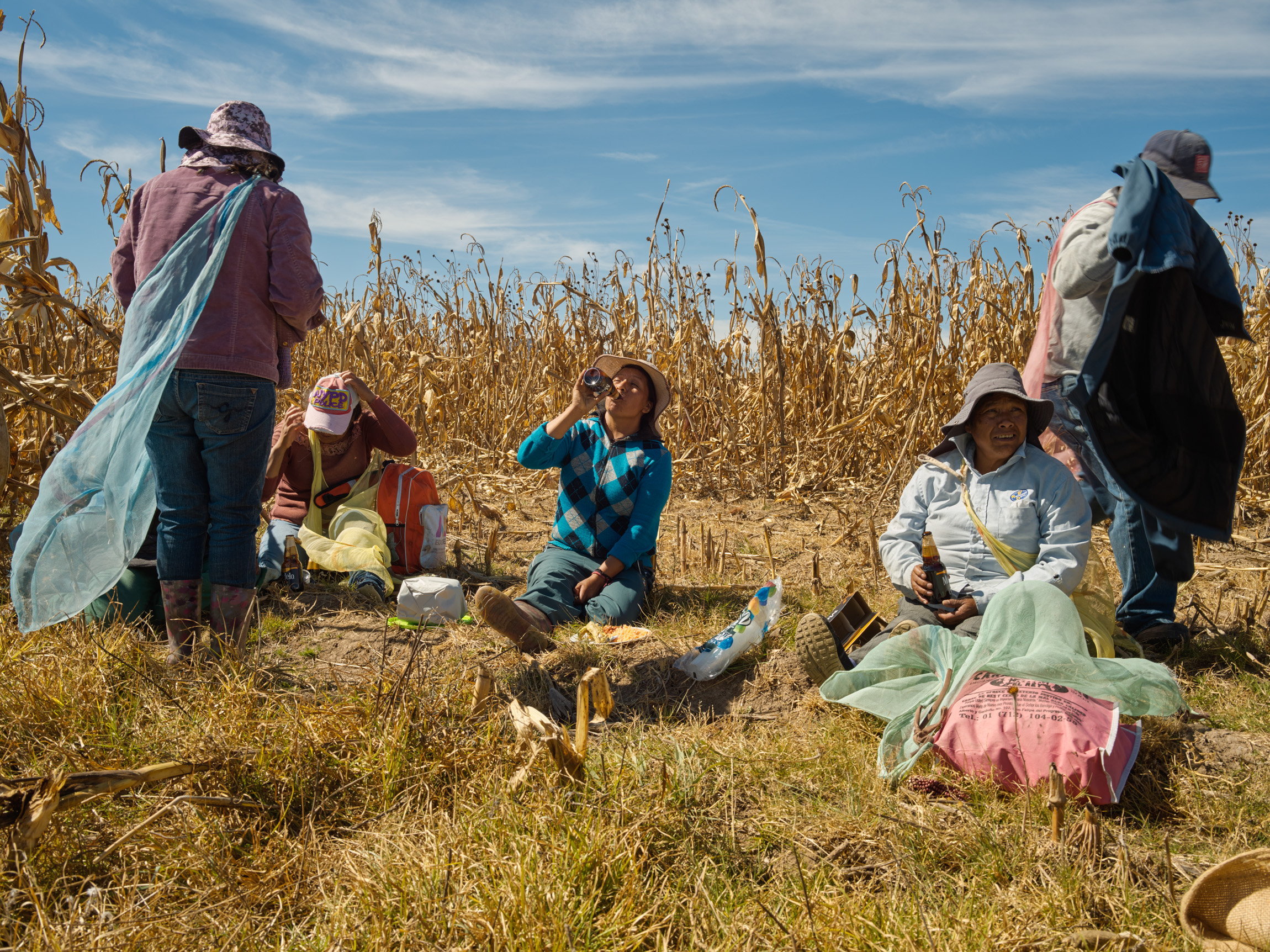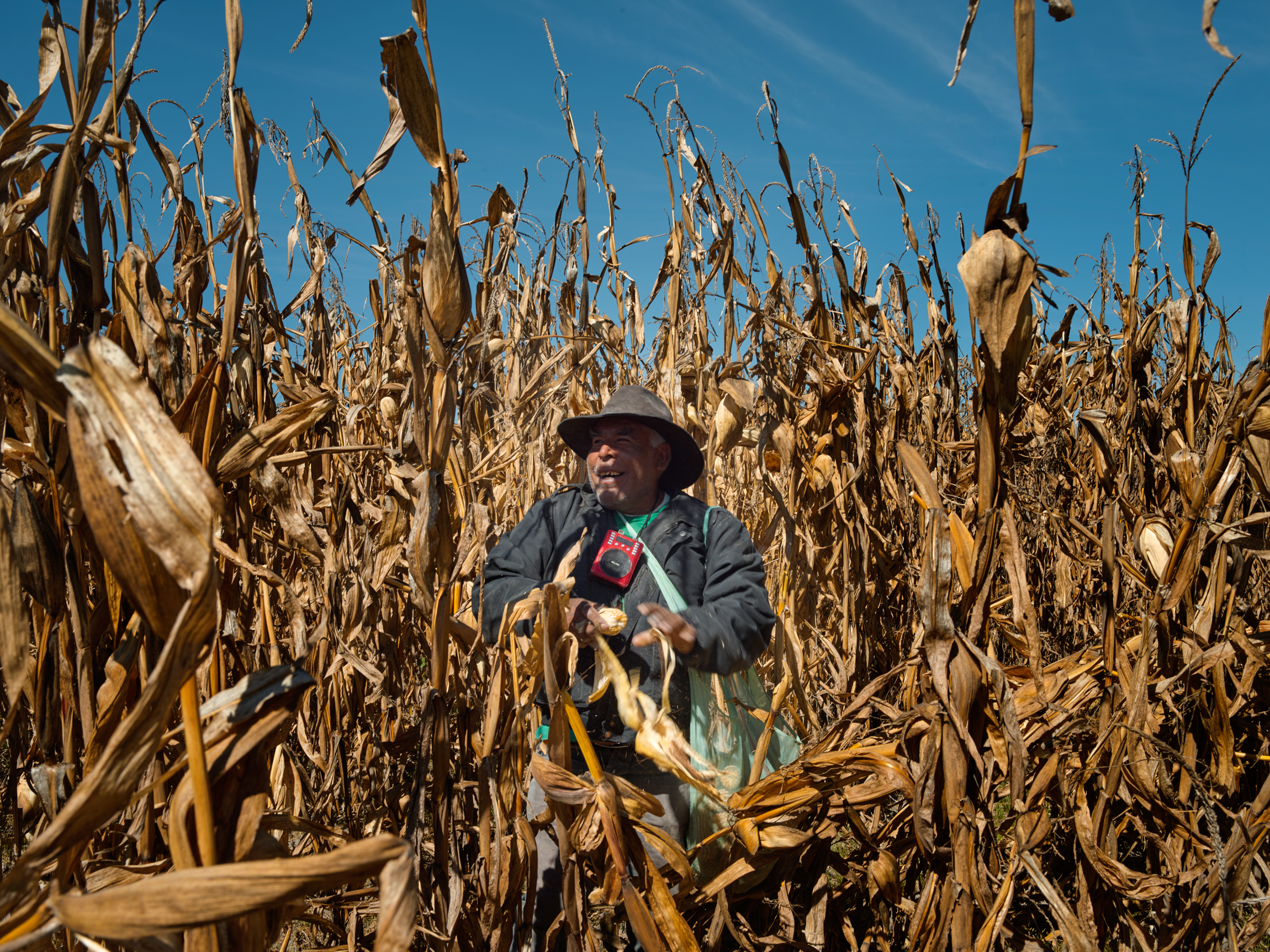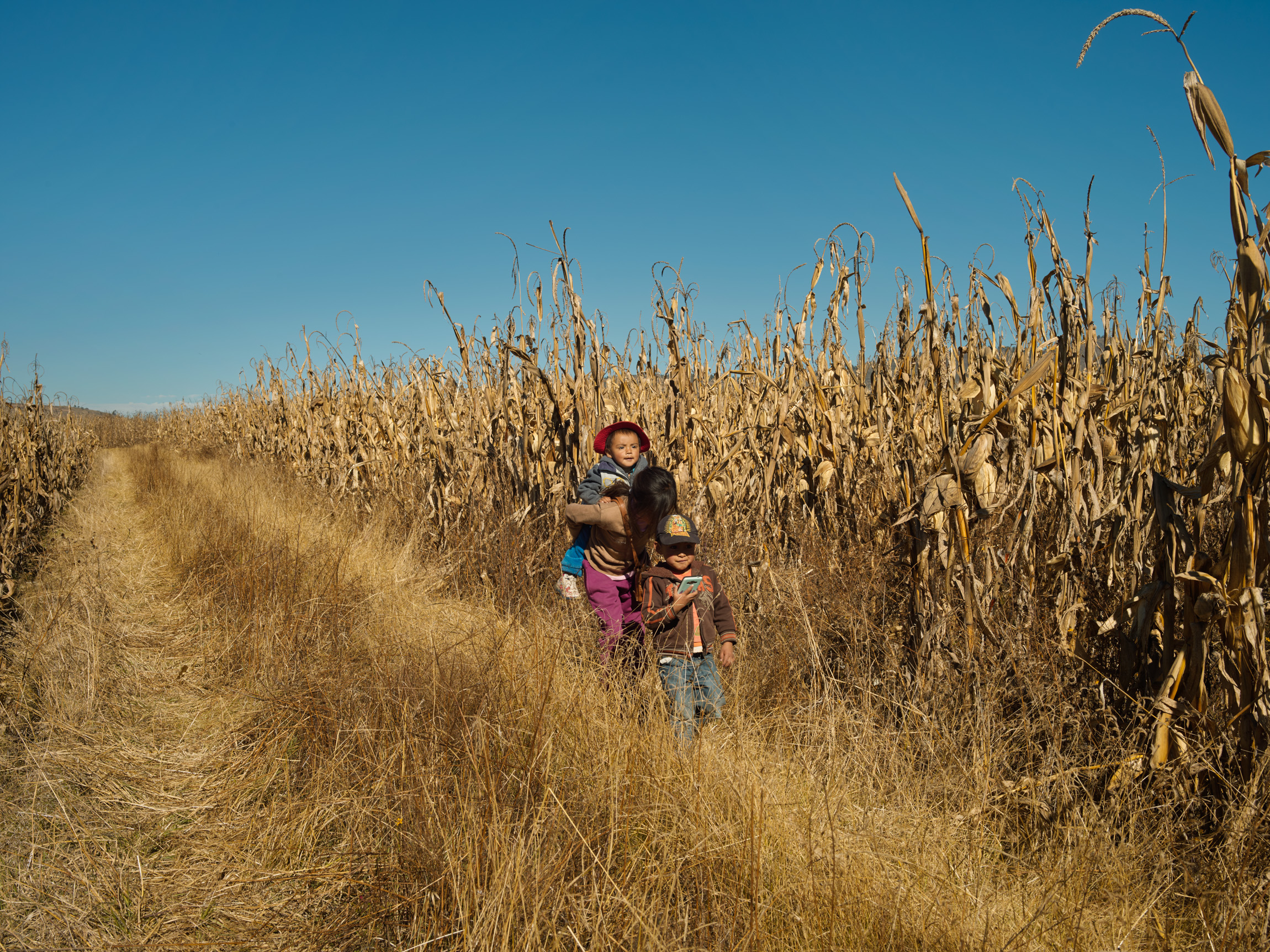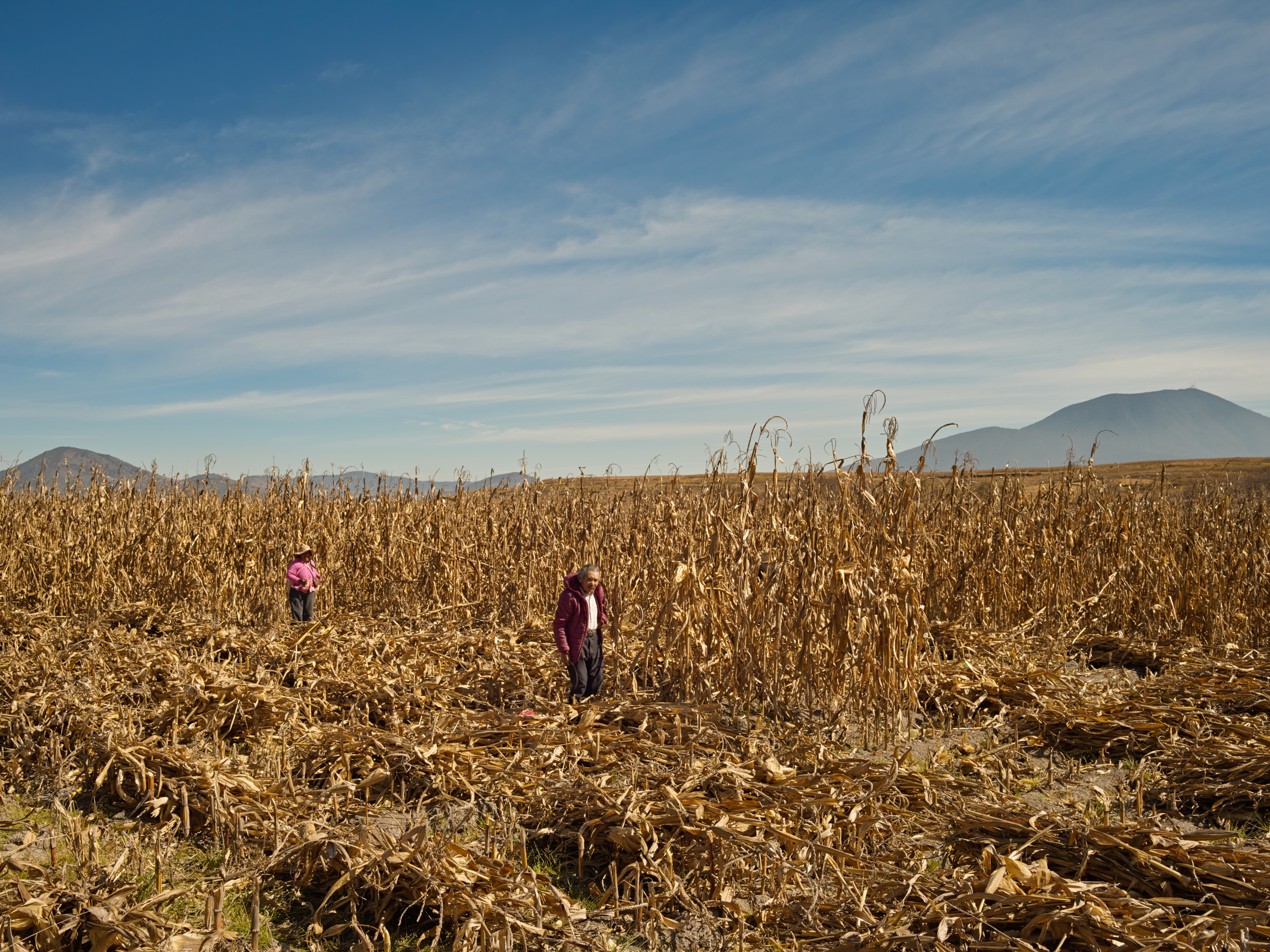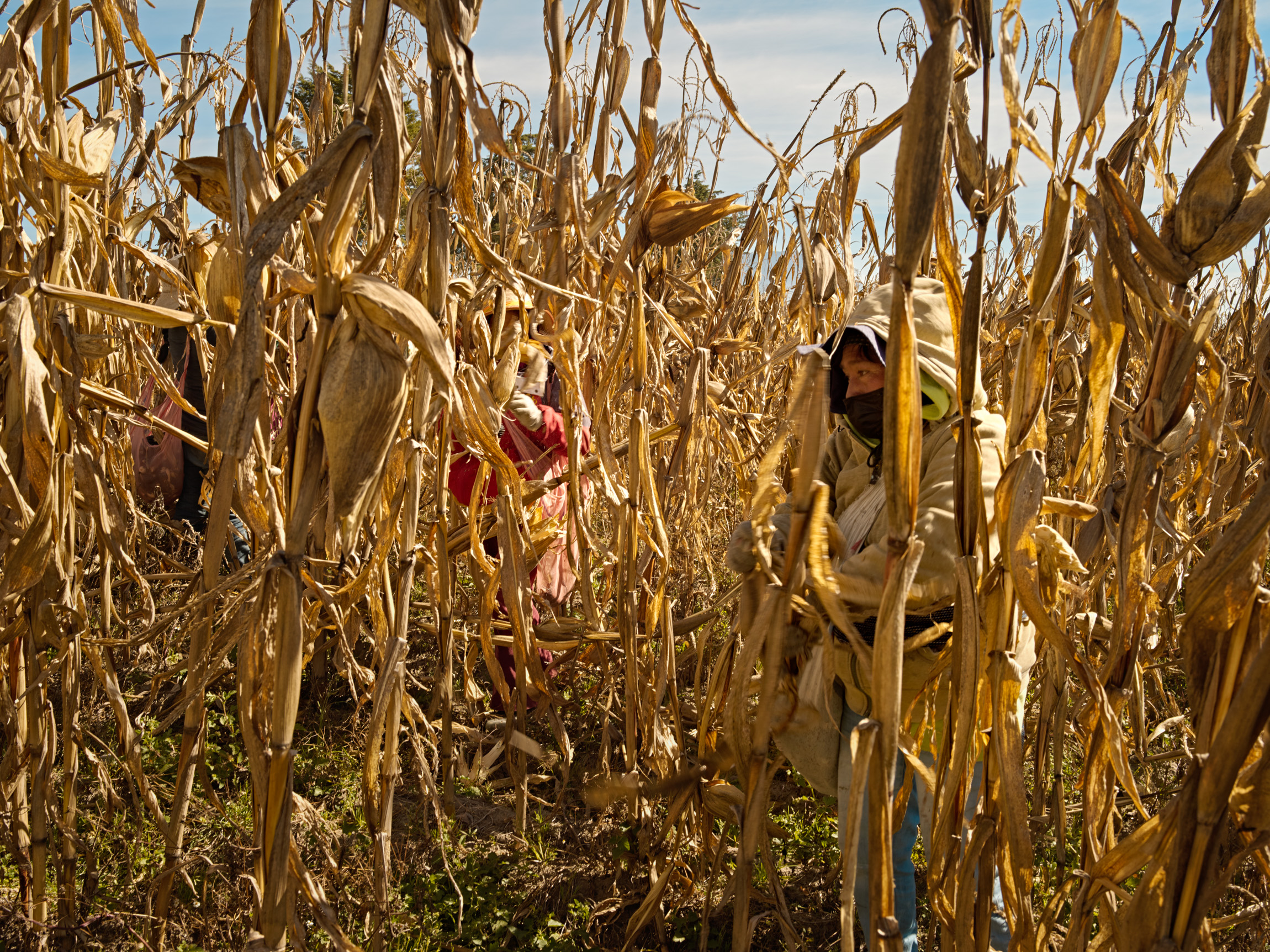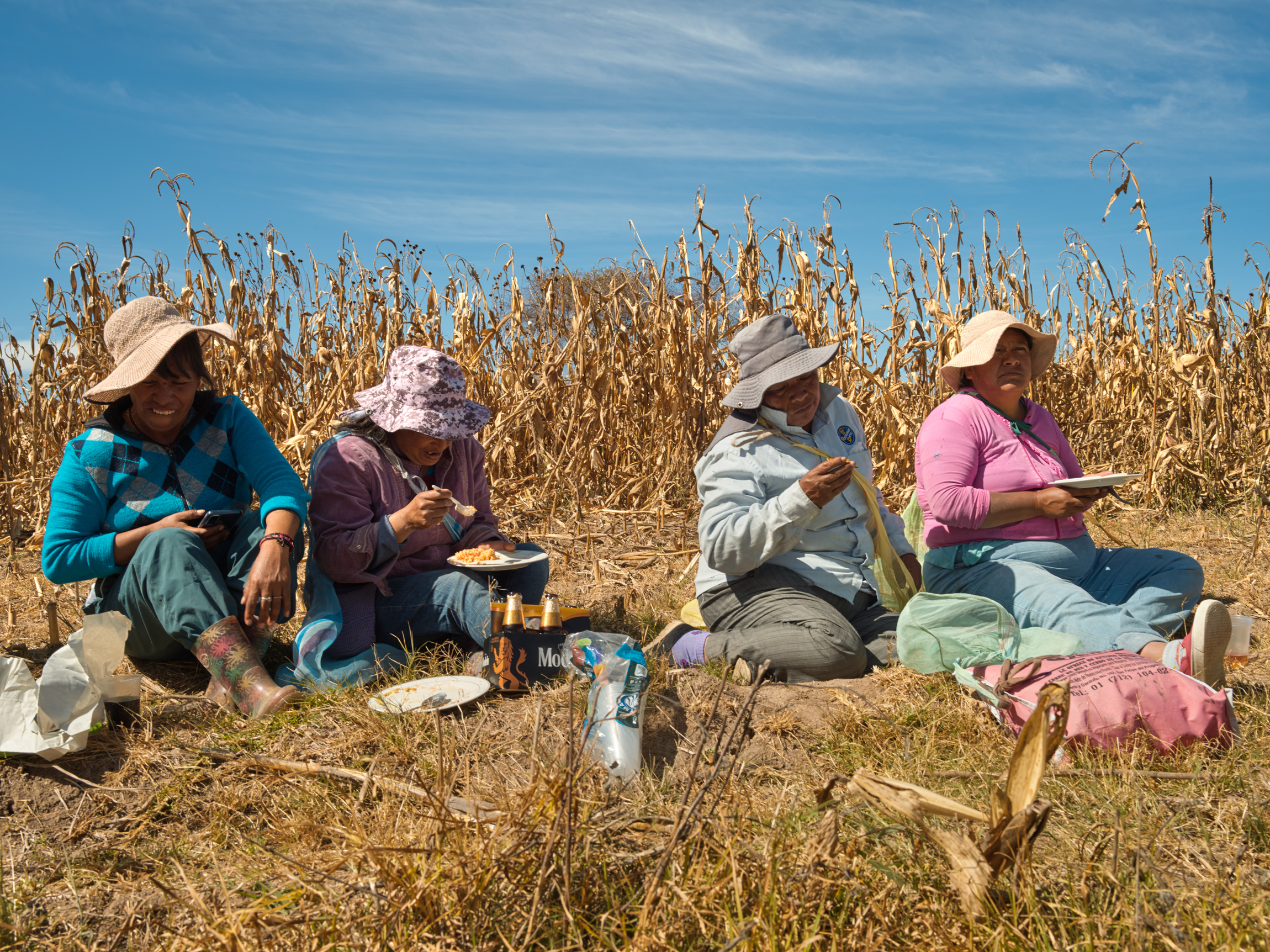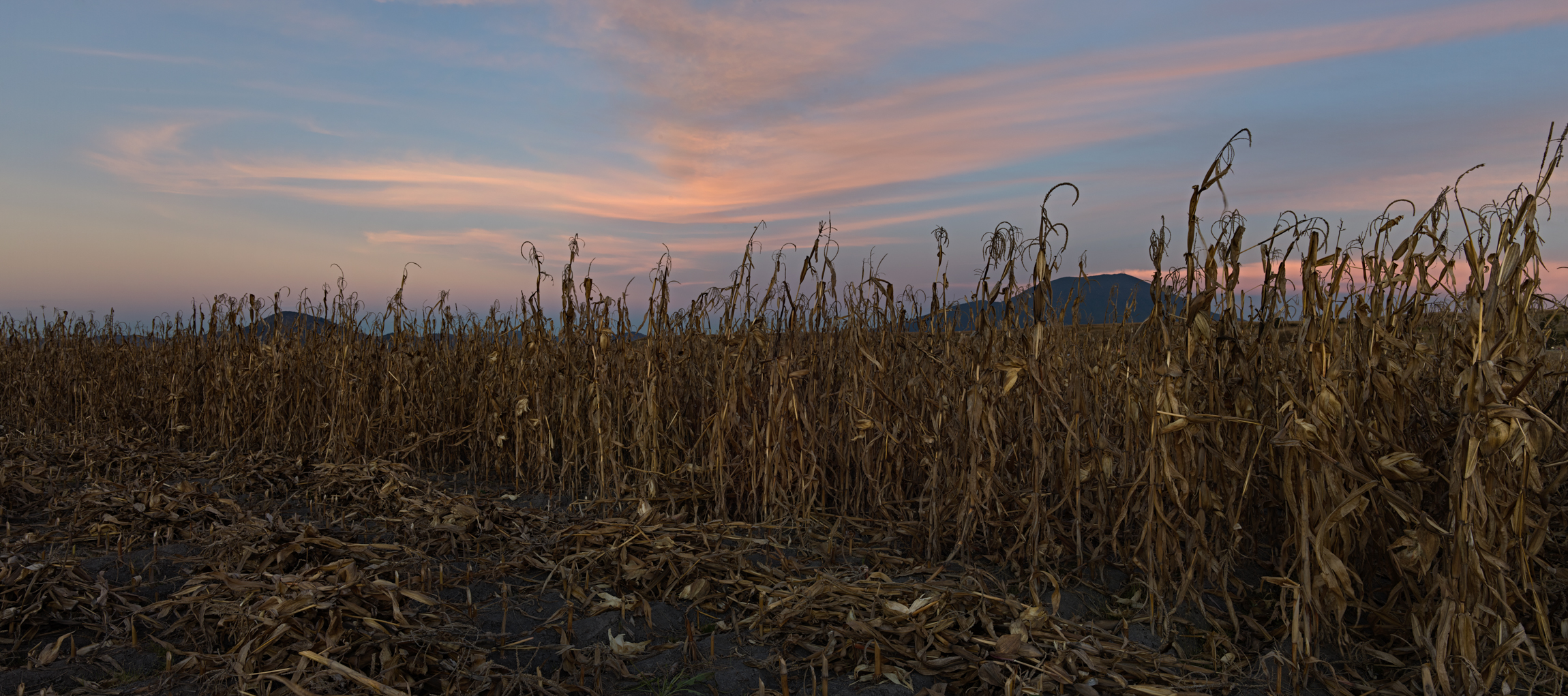
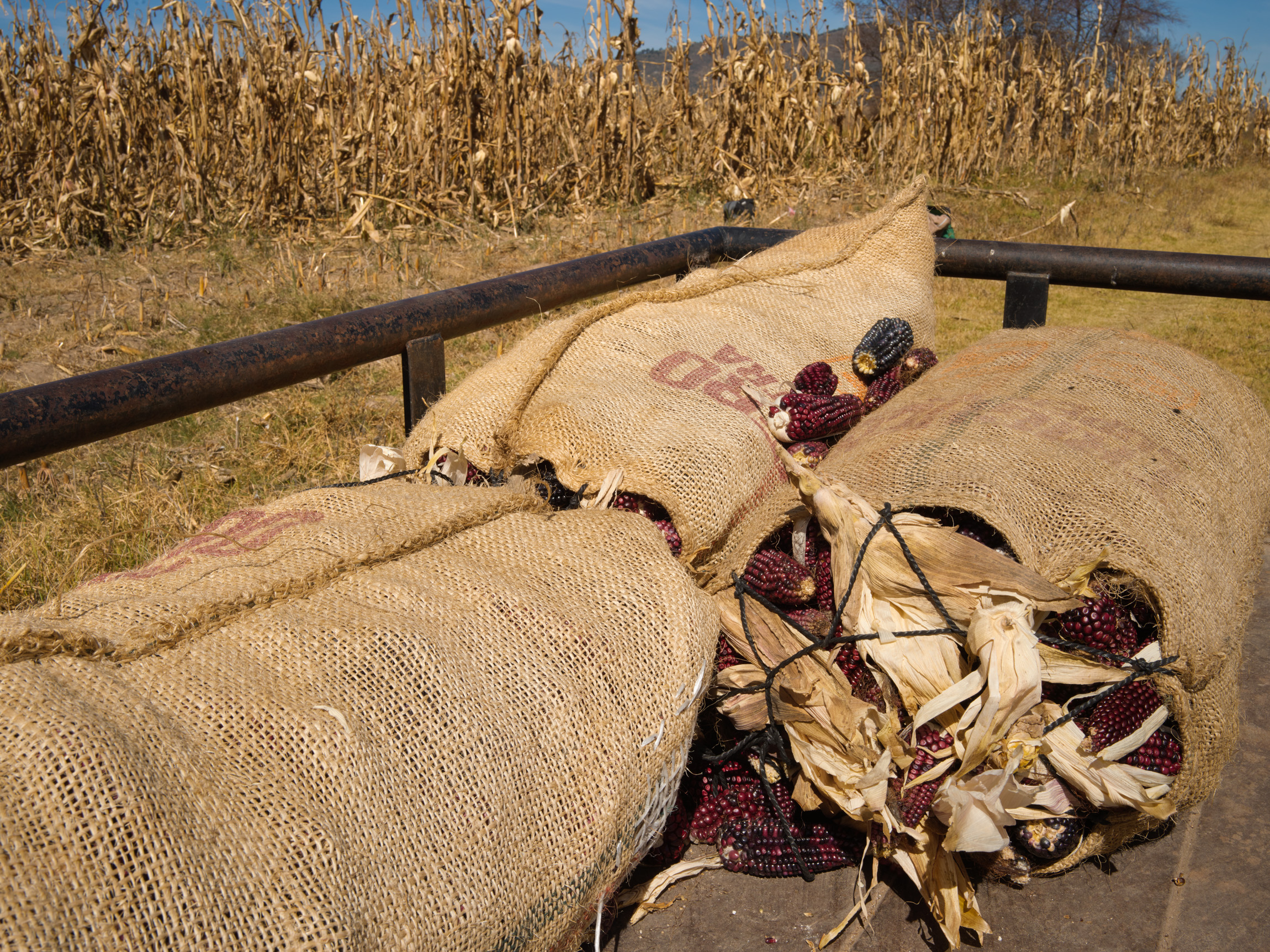
Maize was a gift from the gods. After the creation of the Fifth Sun, Quetzalcoatl set about searching for it, in order to give it to man. Hence the divine nature of maize, as the god Centeotl. When maize is young, growing and flowering, it is the goddess Xilonen. When ripe, it becomes Chicomecoatl or ‘Seven Serpents’, the female counterpart to Centeotl. Picked as cobs to be stored to guard against famine, maize was and remains the staple of the Mexica diet, used to make tortillas, tamales, atole and the pinole that sustained warriors during military campaigns. Three of the months of the Mexican Indian calendar, Tozoztontli, Huetyzoztli and Ochpaniztli, were dedicated to worshipping maize, but the sacred foods for all the other months were also always made with maize.
The essence of Mexican cuisine
Tortillas represent the essence of Mexican cuisine. Made with corn dough, they are eaten as a basic ingredient in all kinds of forms and in all kinds of preparations. About 90 per cent of tortillas and 82 per cent of other commonly eaten products now contain genetically modified (GM) corn. Mexicans consume about half a kilo of maize a day.
Source: Museo National de Antropologia (MNA), Mexico City
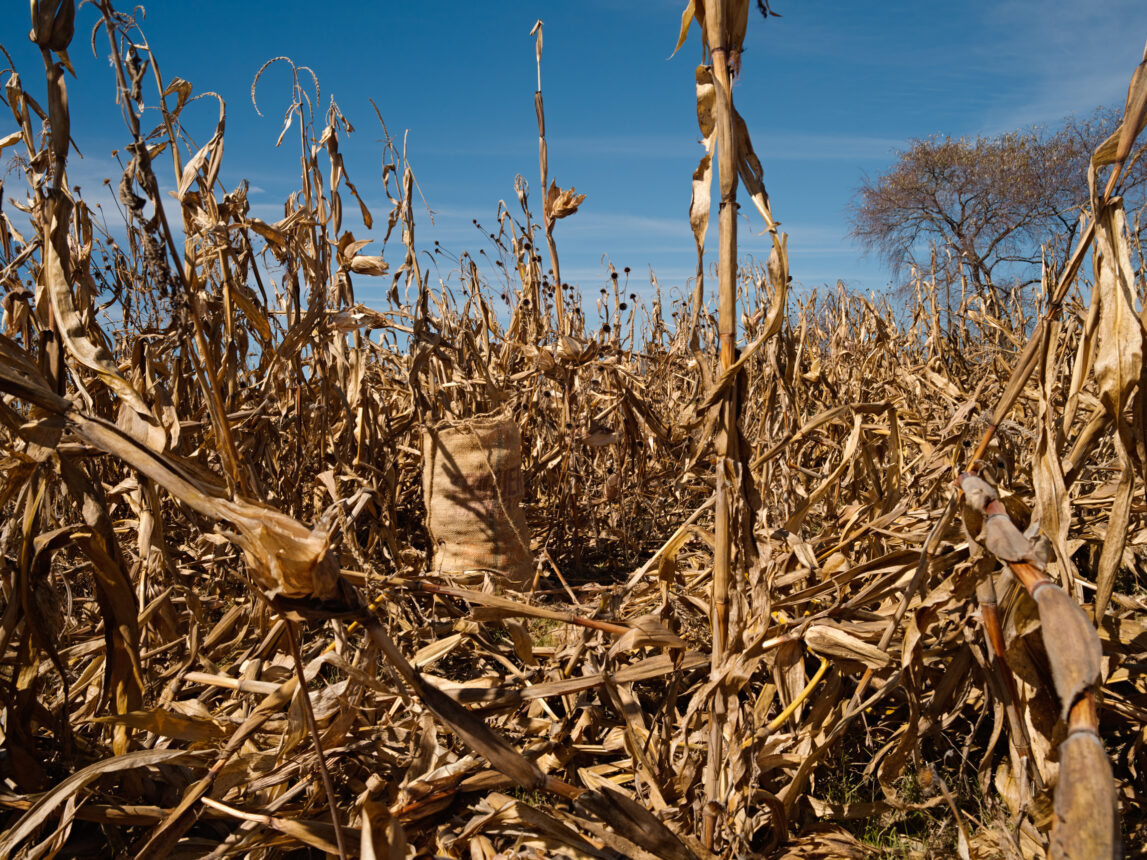
An agricultural practice already more than 4,000 years old, milpa flourished in Yucatan Mexico.Maize is often grown in mixed fields along with other crops, such as beans and pumpkins. The maize benefits from the presence of the beans, the roots of which process the nitrogen in the soil that the maize needs, while the beans have the opportunity to climb up the tall maize stalks. Modern agricultural techniques are generally dependent on crop rotation in fields that produce just one crop. They are productive, but they cause the exhaustion of the soil, because repeated cultivation leads to erosion and the depletion of the nutrients needed to keep the crops healthy. In a traditional milpa farm a dozen crop varieties are planted at the same time (usually maize, beans and pumpkins). Because each plant provides the nutrients needed by one of the others, the soil is never completely exhausted. As a result there are fields in Mexico that have been under cultivation continually for 4,000 years without any loss of productivity, a situation unknown in other parts of the world.
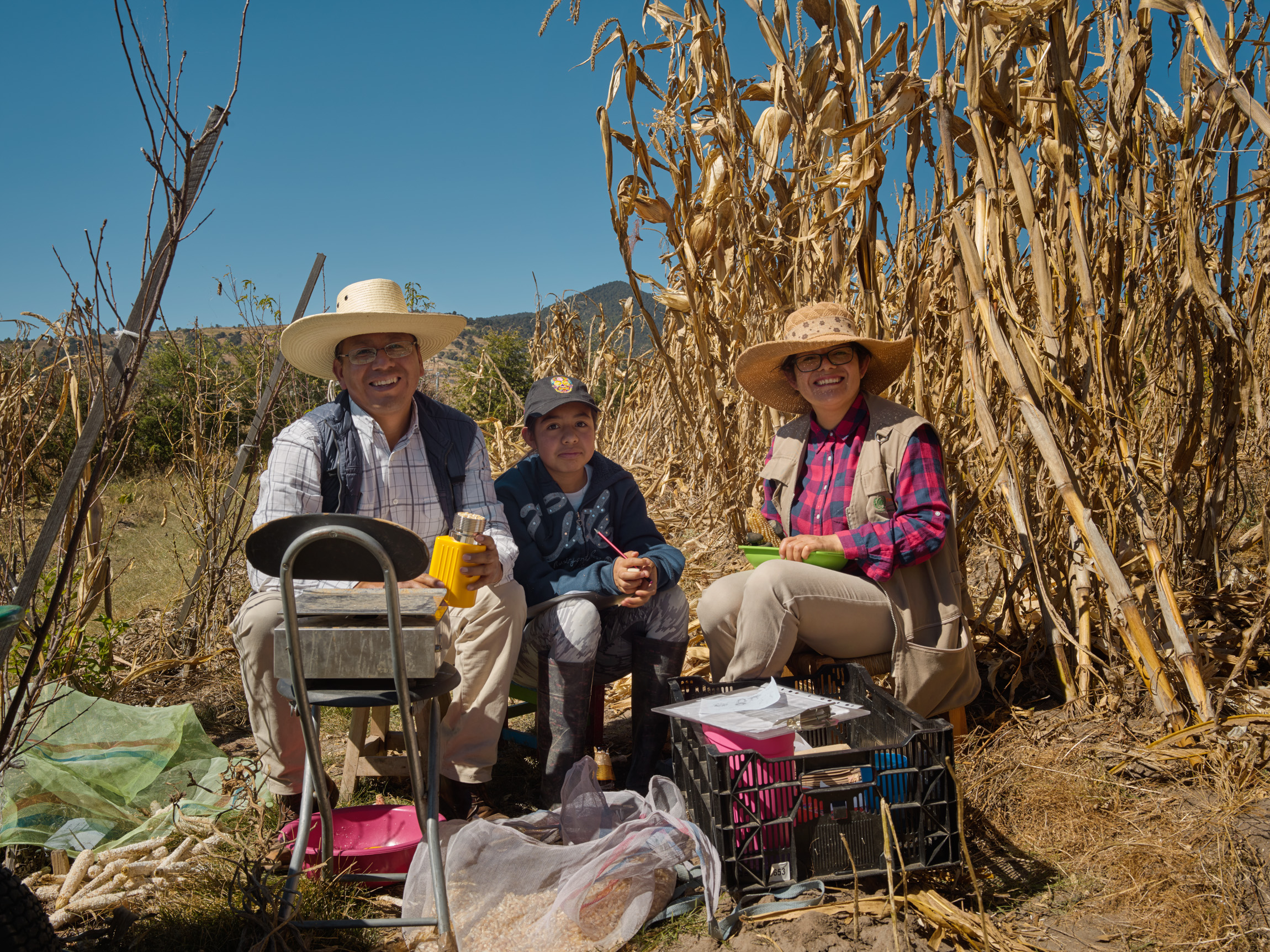 Rocio Albino Garduno and Horacio Santiago Mejía
‘When a community's environment is healthy, so are its people.’
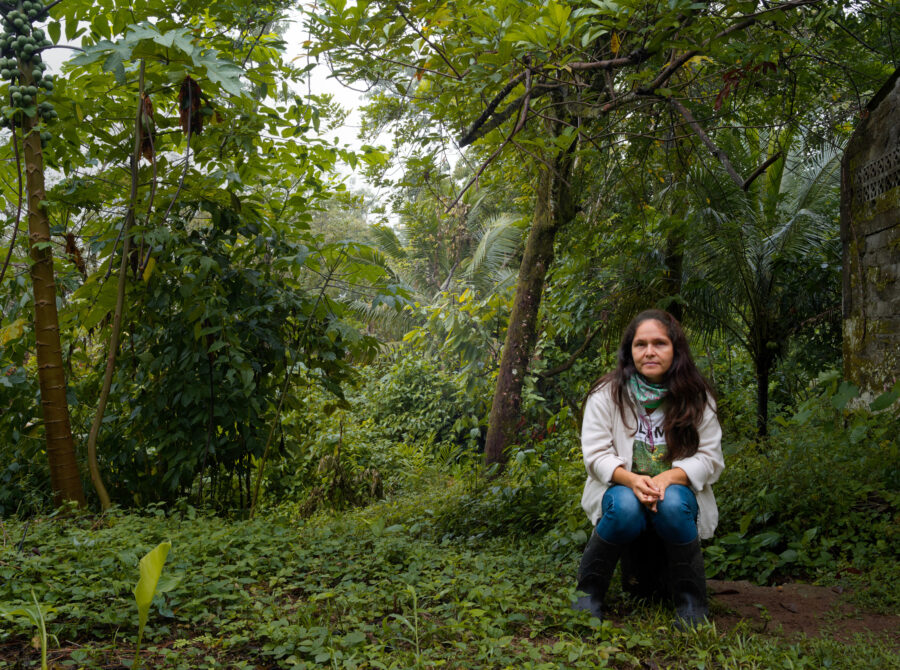
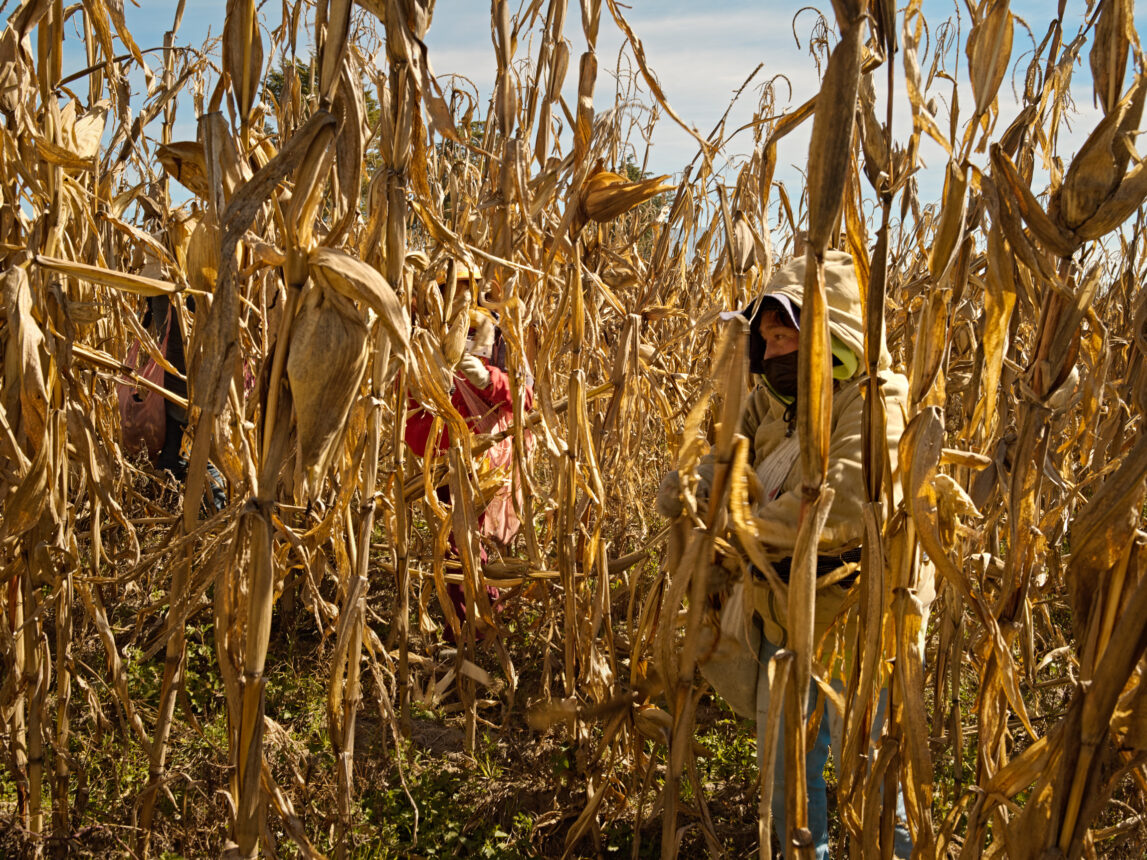
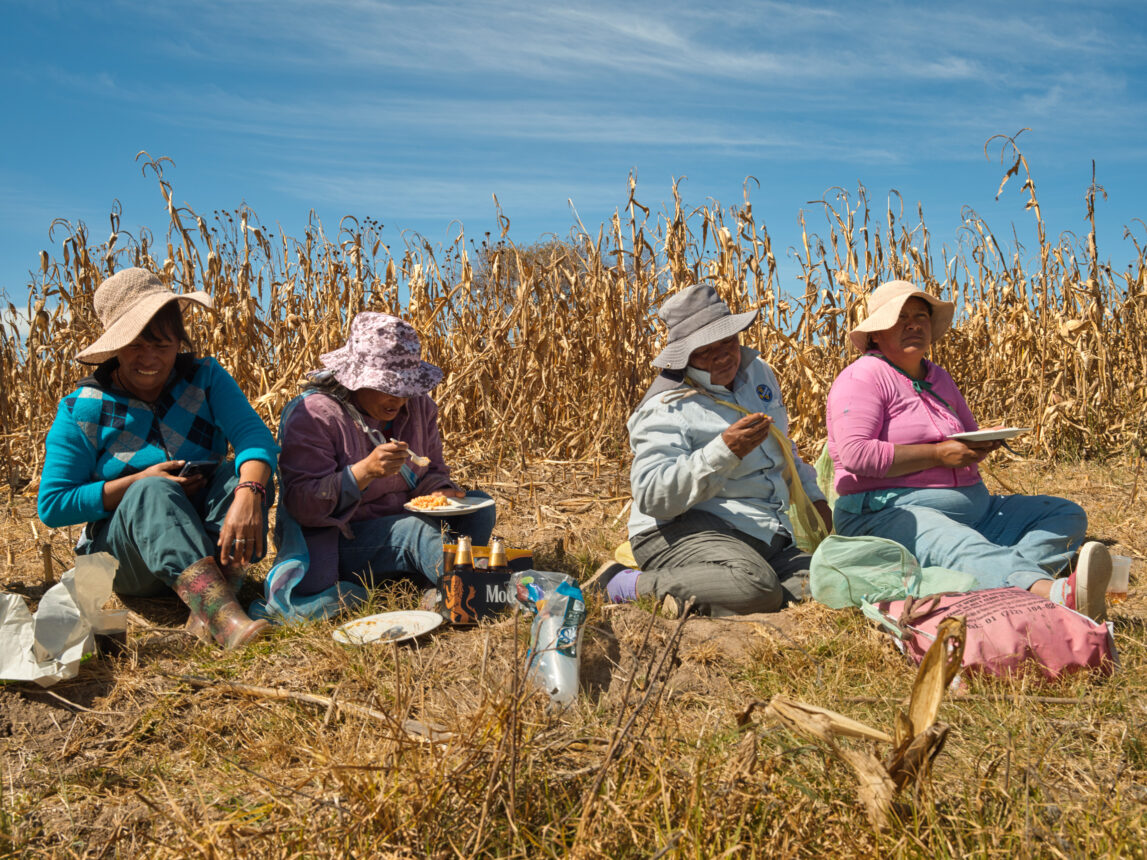
Rocio and Horacio Researchers and FarmersRocio Albino Garduno and Horacio Santiago Mejía live with their two daughters in the hills of San Juan Coajomulco, Mexico, a region populated by the Mazahua native community. As professors, Rocio and Horacio are passionate about sustainability, and they bring their work home with them. In front of their house is a milpa that uses an intercropping system not traditional to the area. Through their work, Rocio and Horacio encourage their community to improve current practice to the advantage of both the environment and their own lives. Rocio teaches sustainable development, while Horacio teaches agricultural science. They use their home and their milpa as the main setting for teaching their neighbours and university students about more sustainable practices.
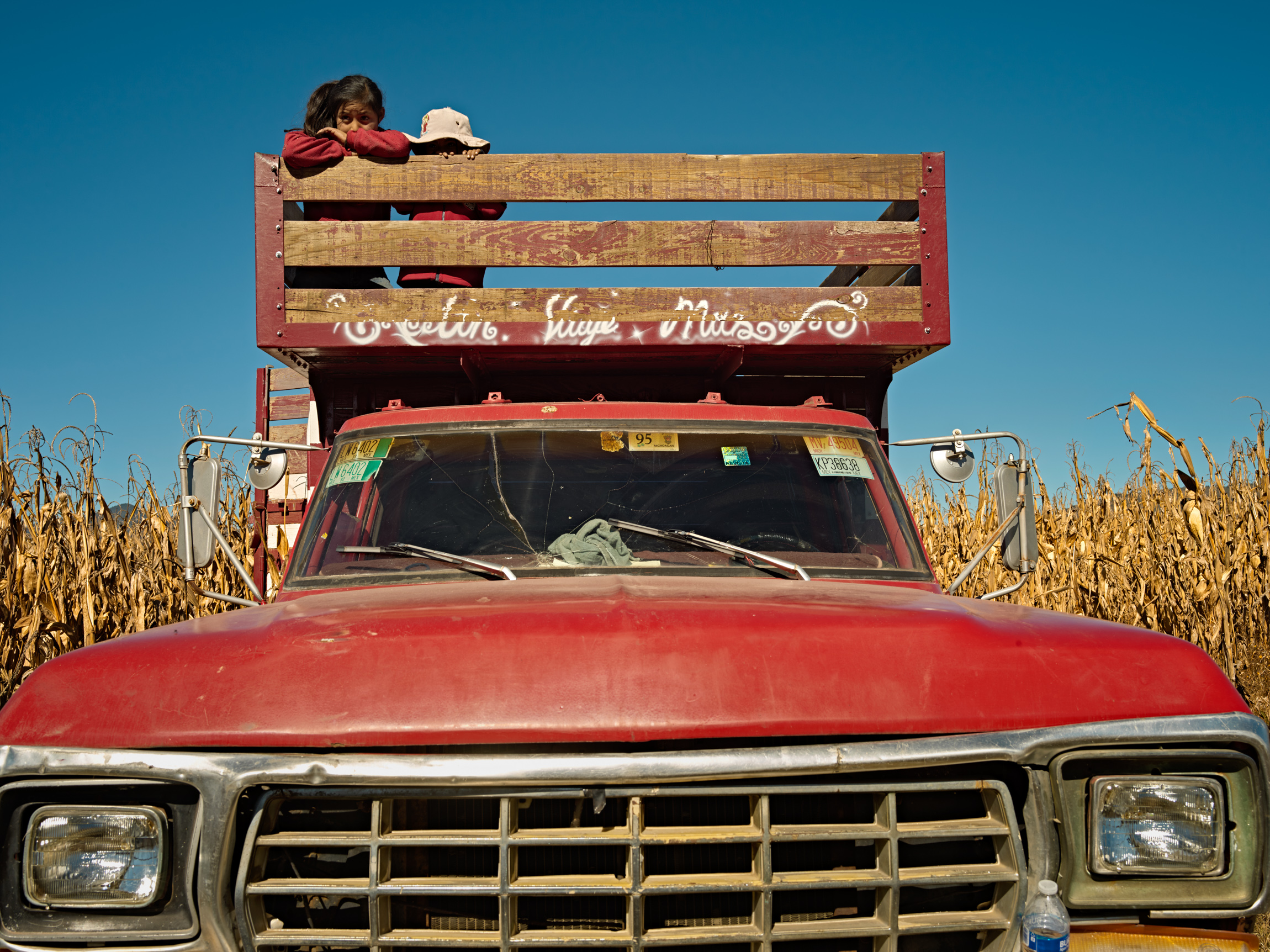
‘Let’s go to the maize field. That’s what our grandparents used to say to us in the Mazahua language (jñatrjo).’
Rocio Albino Garduno‘We knew then that a day of hard work was ahead for the whole family, but that we would return home with a good harvest. The men were loaded down with a great weight when they fetched the sacks of corn cobs from the field, and we would say to the young people who carried them, ‘Now you can get married.’ At home grandmother selected the seed, to make sure the job was done well. She would say to us, ‘Don’t touch the seed, or your teeth will grow out crooked.’ And if we accidentally threw away a grain, we’d be scolded, because ‘every grain of corn has its own life’.
The common practice of growing exclusively maize and using herbicides has meant that the diversity of maize seed has declined.
Rocio and Horacio advocate a polyculture system (MIAF), with fruit trees and other crops planted between the maize to improve moisture retention, reduce water erosion, encourage a varied diet and increase the family’s income. Research by the UN Food and Agriculture Organization (FAO) shows that intercropping can benefit small farmers. Intercropping enables farmers to achieve several production and maintenance goals simultaneously. By growing a mixture of crops, farmers profit from the capacity of cultivation systems to reuse their own stored nutrients and from the tendency of certain crops to enrich the soil with organic material. Rocio explains how the system can prevent erosion.
The barrier created by trees ensures that water cannot flow away but is held in place, and eventually terraces emerge. This environment reduces erosion, and as for nutrients, it creates dietary diversification. It also reduces the need for herbicides and pesticides.
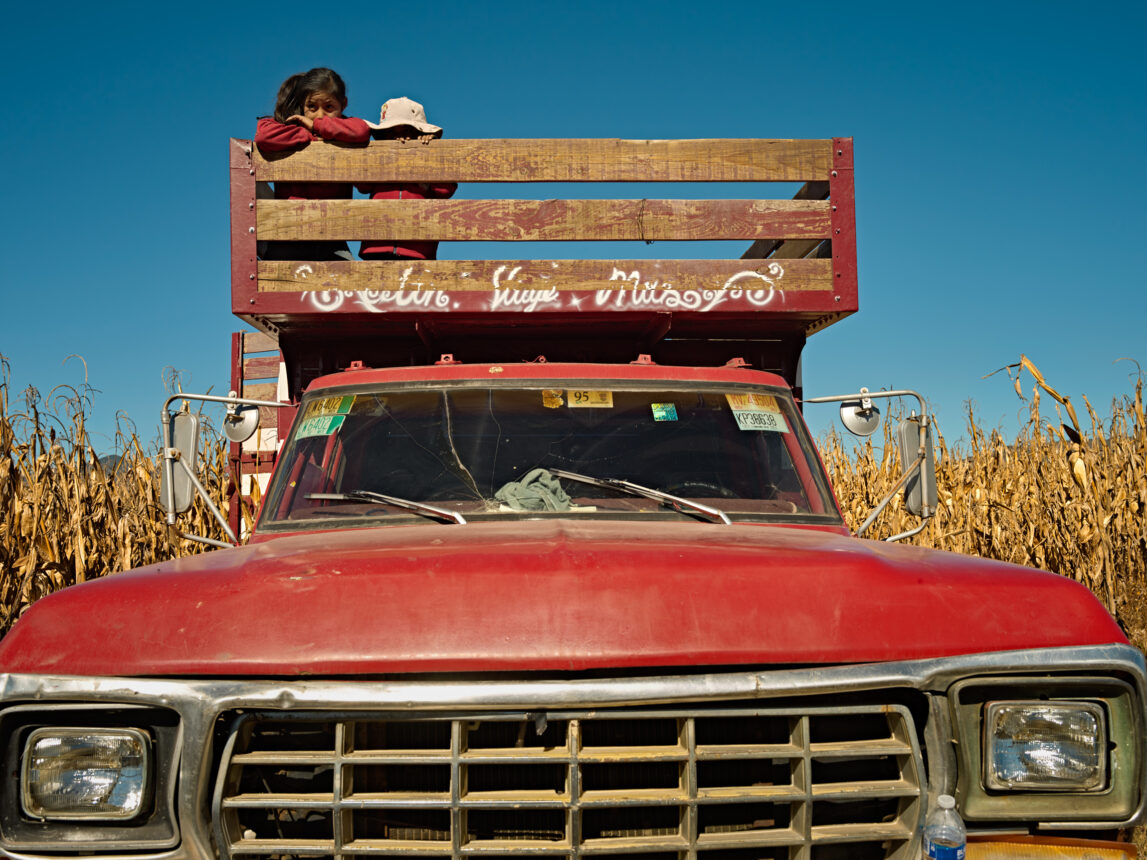
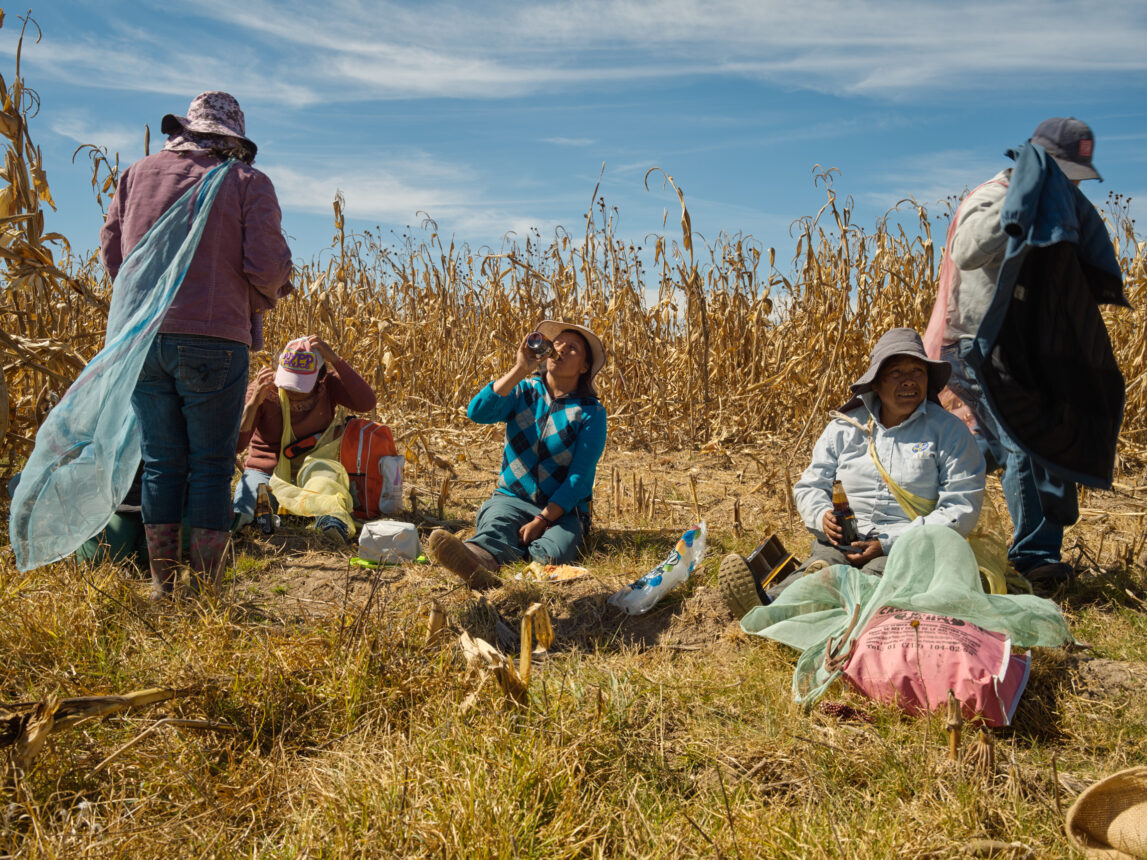
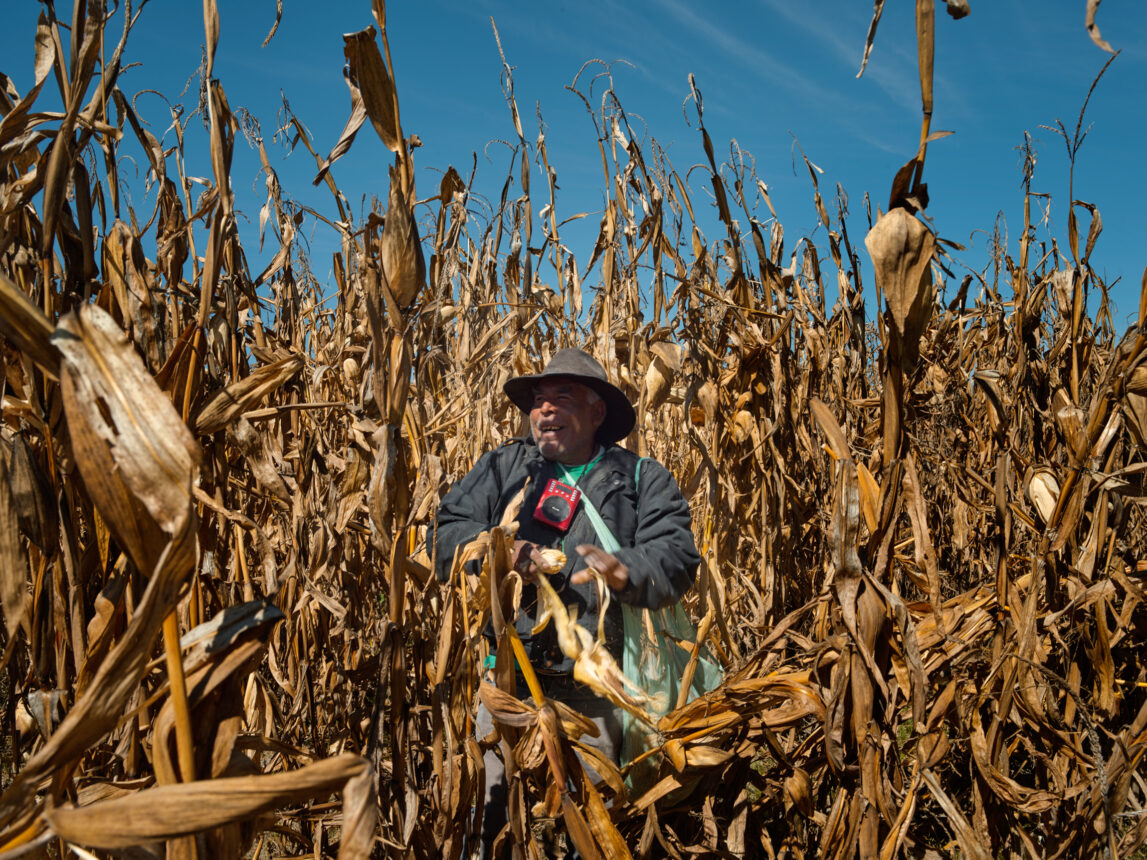
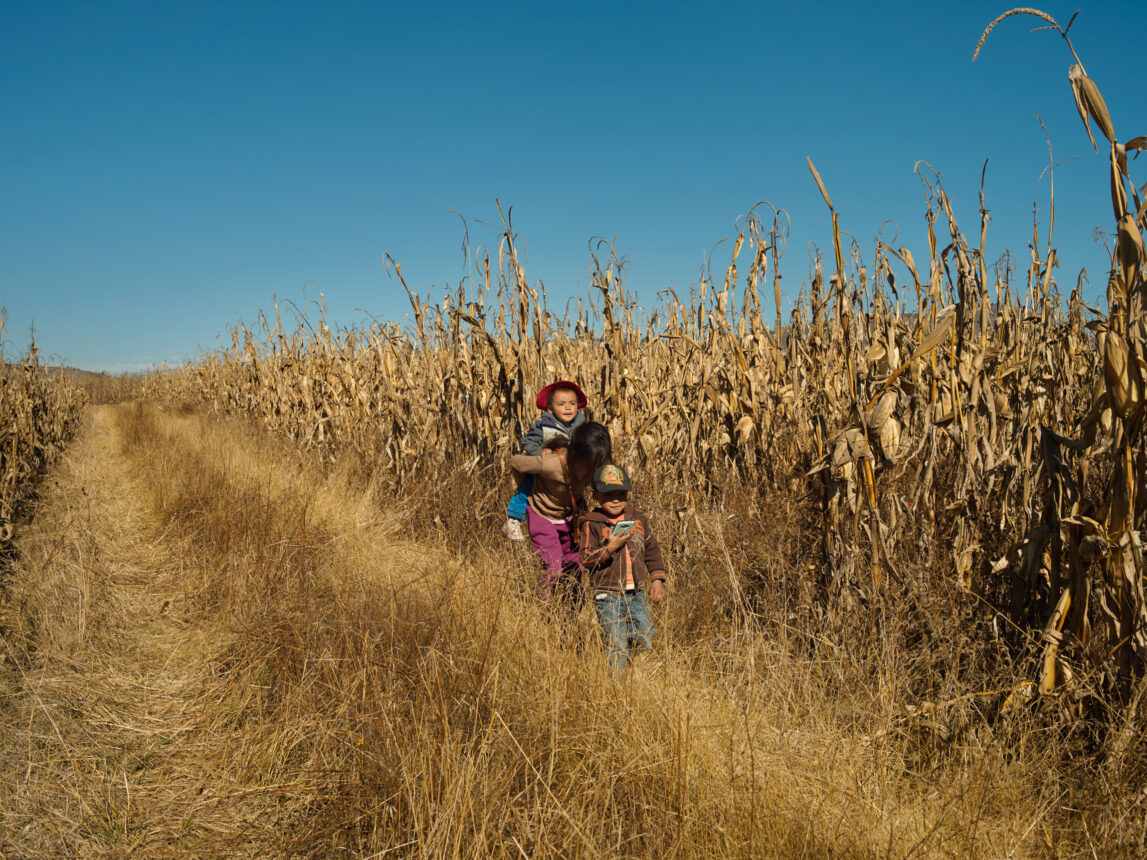
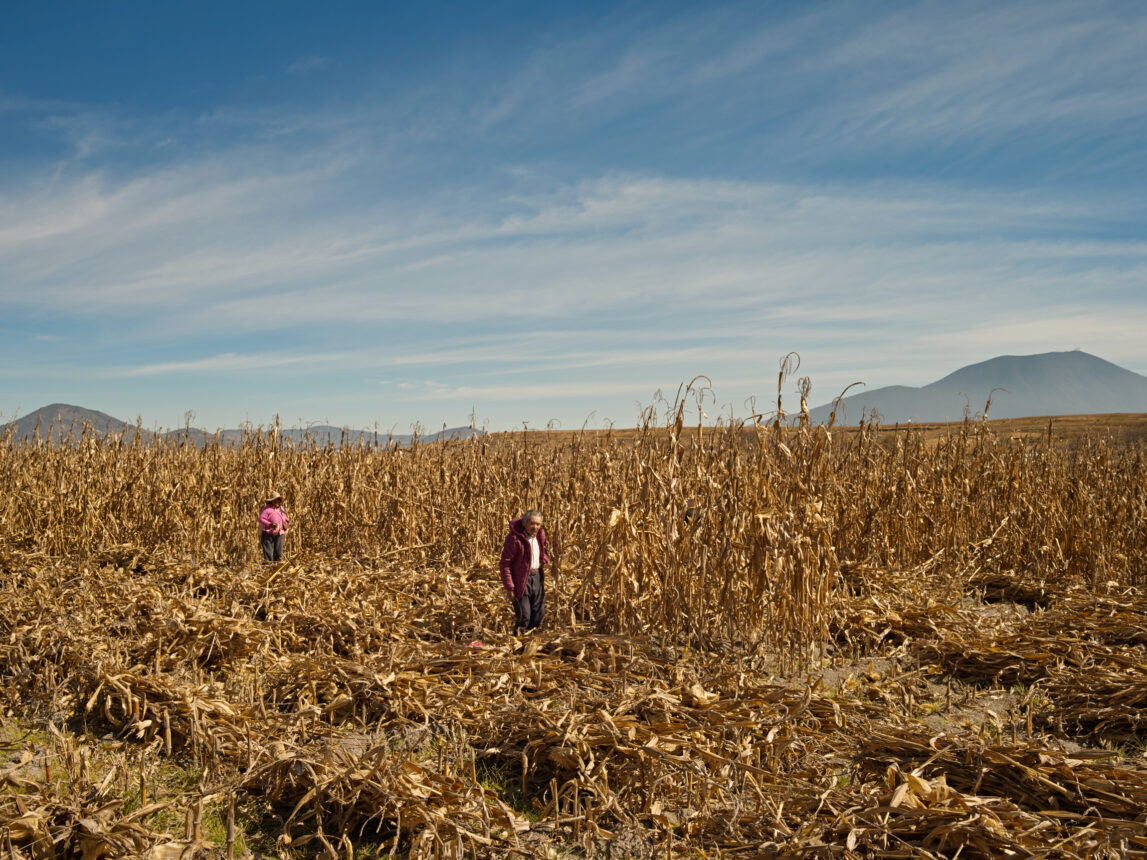
‘With a view to self-sufficiency and food independence, our country must focus on sustainable and culturally adapted agricultural production in accordance with Mexican farming traditions.’
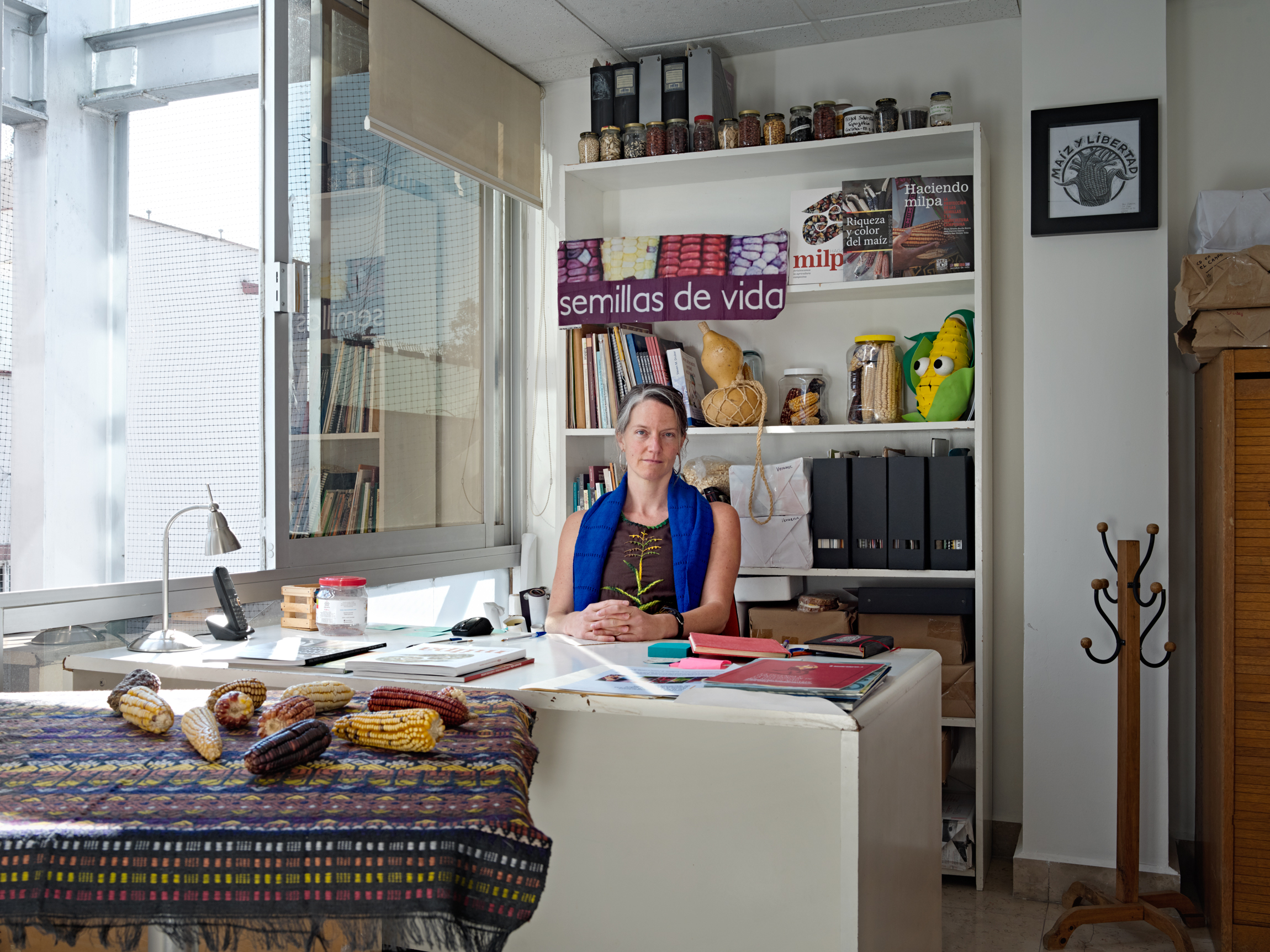
Malin Jönsson Director of Semillas de VidaMalin has lived in Mexico for 13 years and has worked on corn issues. She has been working with the Semillas de Vida Foundation since August 2017. A civic association committed to preserving, protecting and developing native farm-owned corn seeds and a healthy diet; from seed to table. In addition, she has been professor of Rural Problems and Human Rights at the UNAM National School of Social Work since 2013. She has investigated issues related to the socio-economic situation of farm grain producers. And has published several scientific articles and book chapters.
Mexican President Andrés Manuel López Obrador caused a minor earthquake when he ended the year 2020 with a decree that will phase out both the use of glyphosate as a pesticide and the cultivation of GM maize.
Semillas de Vida Foundation is part of the ‘No corn,no country’ campaign, part of the ‘Alliance for our Tortilla’ and the food security alliance. They brings together the efforts of different rural and urban actors to achieve a balance between sustainable agriculture and a healthy diet, strengthen Mexican agrobiodiversity and nurture life from the seeds. Their vision: To achieve a harmonious and conscious relationship of man with nature, agriculture, and food in Mexico.
Gustava Esteva, one of Mexico’s most distinguished economists and senior civil servants during the 1970s, gave it all up to live the simple life of a traditional peasant on three acres of land in the village of San Pablo Etla in Oaxaca, a province of mostly Indigenous peoples in southern Mexico. From this perch on the world, which he calls “Mexico profundo,” Esteva became one of the leading prophets of the developing Zapatista movement, later serving as their advisor in negotiations with the Mexican government, Esteva is recognized internationally as the leading historian and philosopher of the Zapatista “attitude,” the force behind successful rebellions in Chiapas and Oaxaca, often called the “first post-modern revolutions,” and sometimes understood as the first food-based revolutions.
Source: Wayne Roberts author of the No-Nonsense Guide to World Food