Globaly important agricultural heretage systems (GIAHS) are landscapes of outstanding beauty that combine agricultural biodiversity, resilient ecosystems and a valuable cultural heritage. Located in specific sites around the world, they sustainably provide multiple goods and services, food and livelihood security for millions of small farmers.
These agricultural systems are threatened by climate change and increased competition for natural resources. They are also dealing with migration due to low economic viability, which has resulted in traditional farming practices being abandoned and endemic species and breeds being lost. GIAHS constitute the foundation for contemporary and future agricultural innovations and technologies. Their cultural, ecological and agricultural diversity is still evident in many parts of the world, where they are maintained as unique systems of agriculture. Since 2005, the FAO has designated 62 systems in 22 countries as agricultural heritage sites.
This agricultural region dates back more than 1,000 years, to the Aztecs.
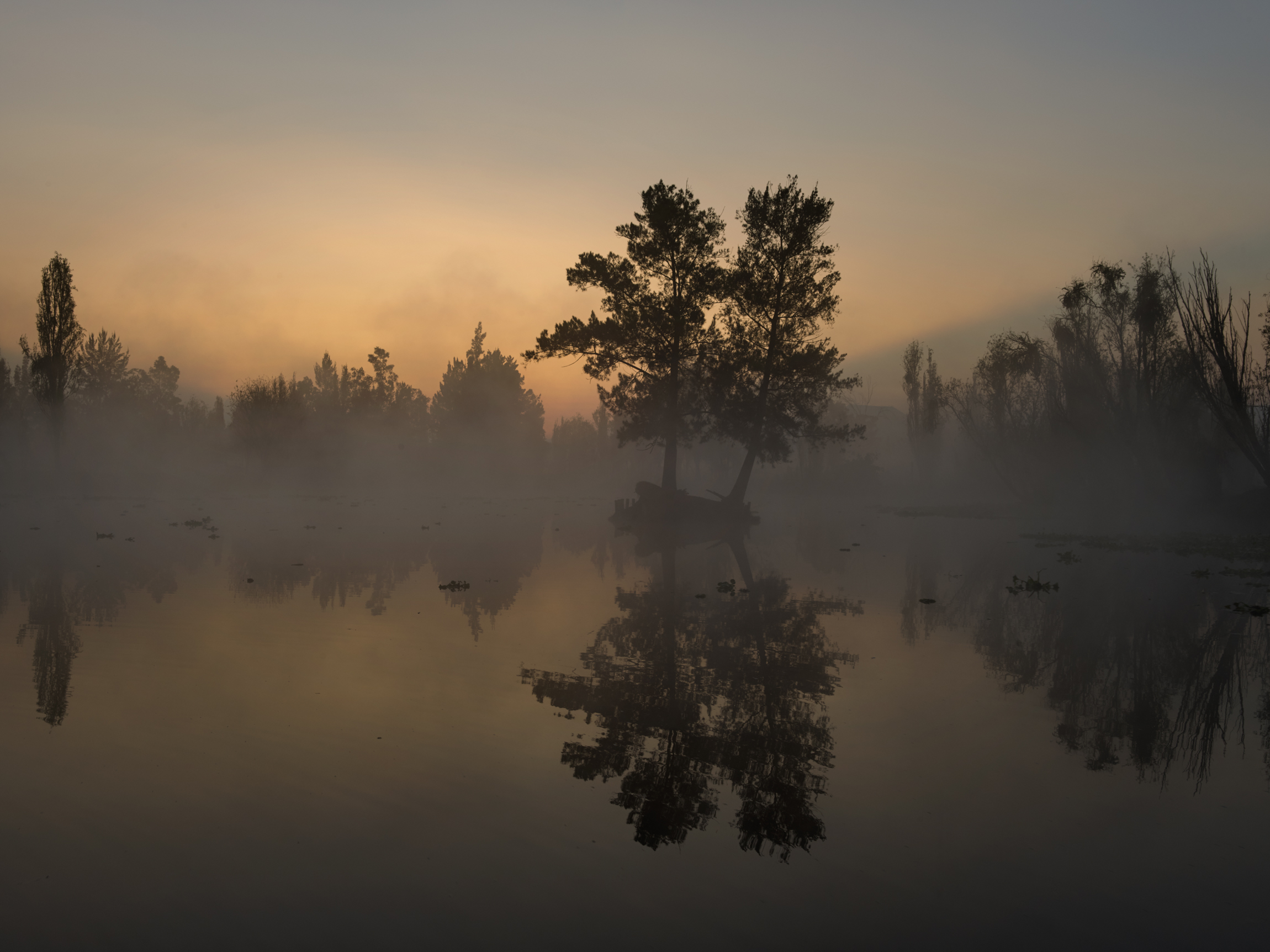
The chinampas agricultural system involves an articulated set of artificial floating islands, traditionally built based on oral wisdom transmitted since the time of the Aztecs. The system stands out for its range of life forms. It houses 2% of the world’s biodiversity and 11% of national biodiversity, with 139 species of vertebrates, 21 species of fish, six amphibians, 10 reptiles, 79 bird species and 23 species of mammal.
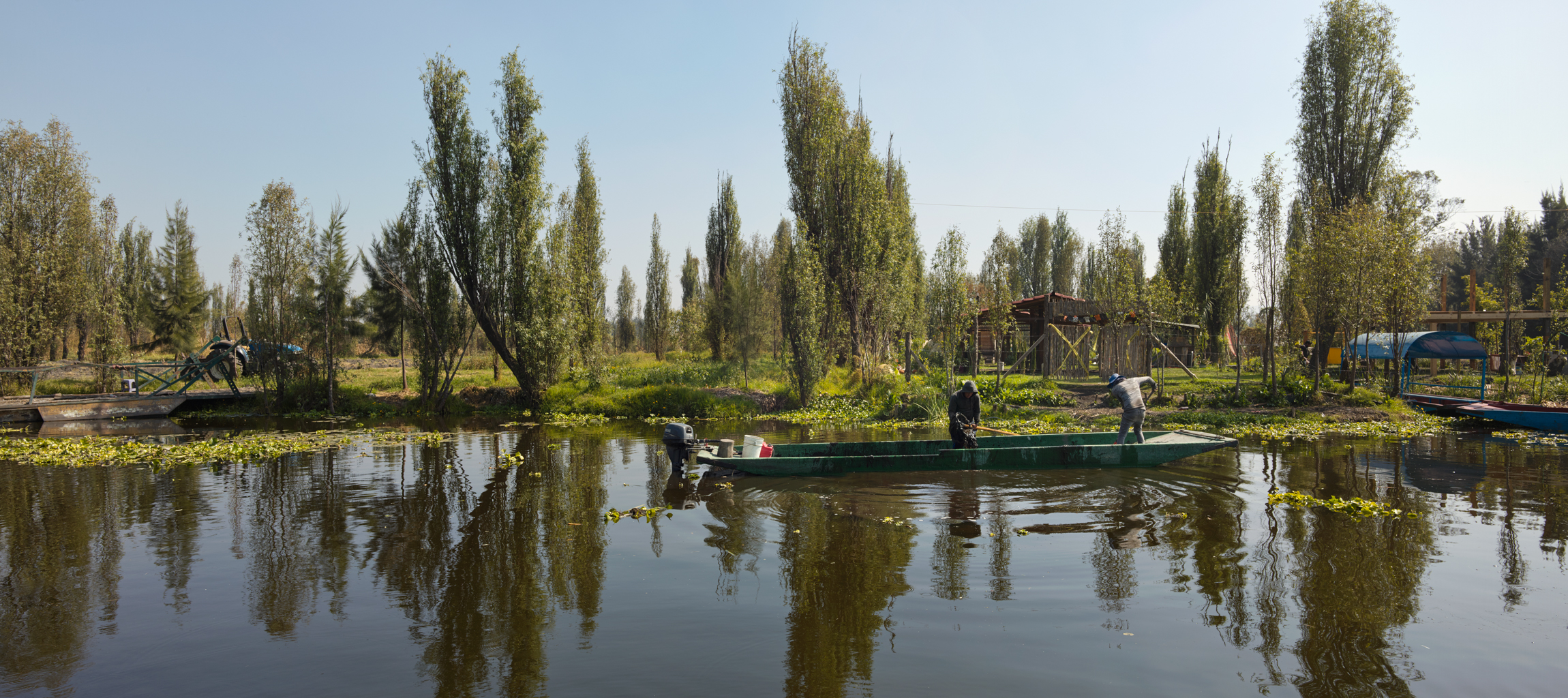
Islands are constructed with mud from the canals. It is easy to extract mud and organic matter from the relatively shallow water.
Willows help to keep the chinampas in place.
There is more life here as a result of human intervention than there would be without it, since the canals are places of refuge, reproduction and feeding.Humans have created a place that has much more life, and much more biodiversity, than before.
The chinampa system is remarkable for its use of ancestral agricultural knowledge and technologies, as chinamperos farmers preserve traditional pre-Hispanic cultivation techniques that have been transmitted orally. In the chinampas four of the five main crops used by the Aztecs can still be found: corn, beans, pumpkins and amaranth.
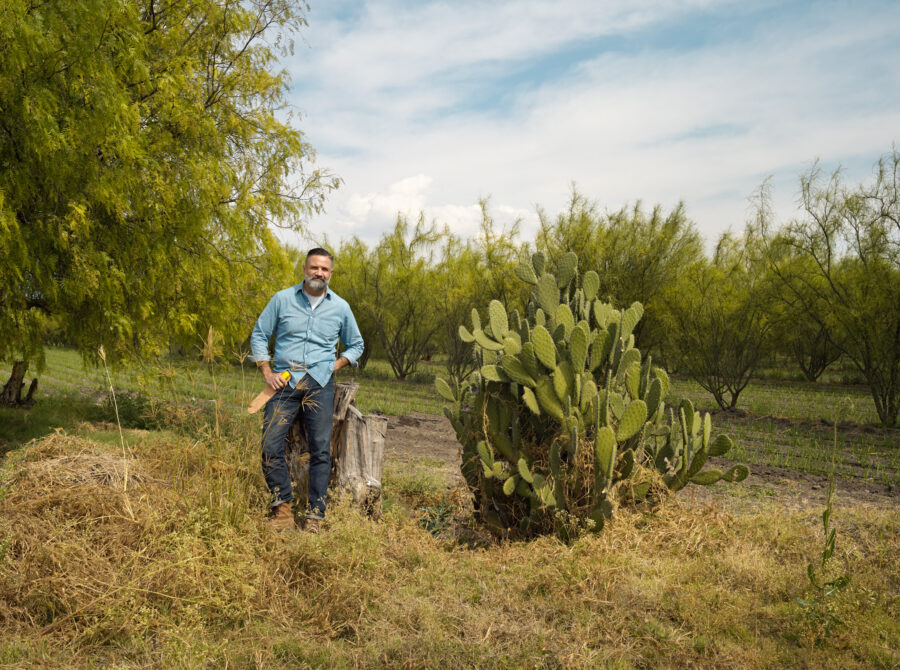
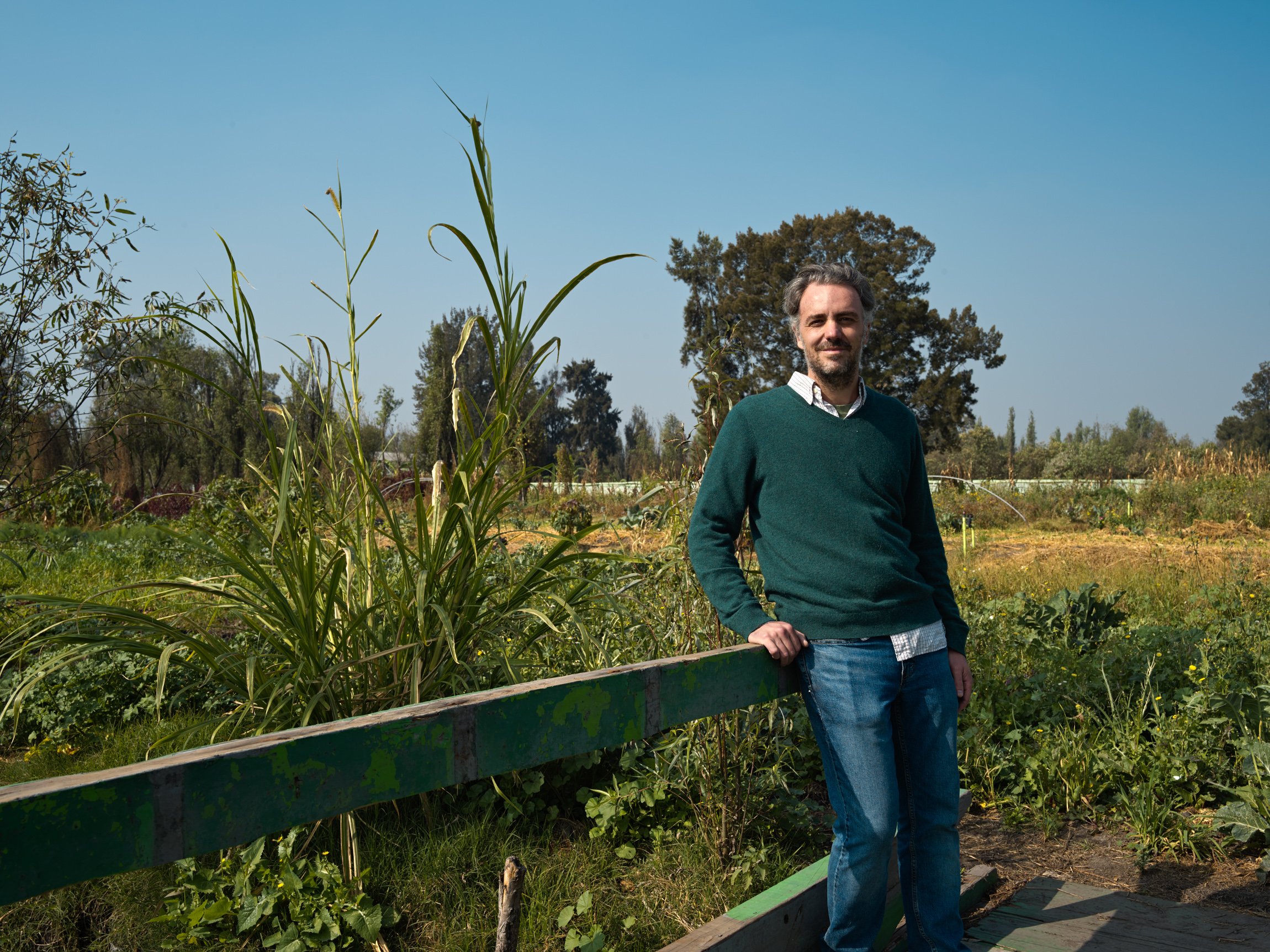 Lucio Usobiaga Farmer and Philosopher
‘Aristotle says ‘being’ is said or thought about in many ways. That has taught me to see agriculture in its many different meanings and as a tool for ecology, health, food, and social justice.’
Lucio UsobiagaLucio is one of the founders of the non-governmental organization Yolcan, which means ‘land of origin’. He started out with an important aim in mind, namely to preserve traditional agricultural practices in Xochimilco and spread knowledge about them.He also wants to improve the livelihoods of small farmers and bring local organic produce to people who live in Mexico City, one of the biggest metropolises in the world. Lucio, who does not himself have a farming background, comes from a very different environment. He grew up in a milieu featuring private schools and a life and career already mapped out. Becoming a farmer was not an option, and neither was becoming a philosopher.’ Yet that is the training he took on.
He was studying philosophy at that time – Big Ideas, the history of Ideas – and he then looked at those ideas in the chinampas. That is the key aspect of what he can do.
People were producing by organic methods, and Lucio wanted to sell organic produce. He got to know some of the farmers, they became partners and Lucio started to learn from their fathers, from their grandfathers. For Lucio it was a shock. He realized that this was the most important thing he could do. He became very ambitious and wanted to do everything at once. Getting to know the farmers, producing, selling, working with researchers from the university, working with the chefs, keeping bees, working with mushrooms… It was a lot.
Then he realized, it’s like a web of people, and they have got good things on their side. More people should know about it. Everybody should know about it. He is not only talking about the chinampas but about what it means to produce our food. Not primarily as a way of making money but of working in an ecosystem that sustains us. Lucio then also recognized the importance of the people involved. Because in agriculture, the soil, the ecosystem, will give you much more if you give back. If you give to the soil, the soil will give to you.
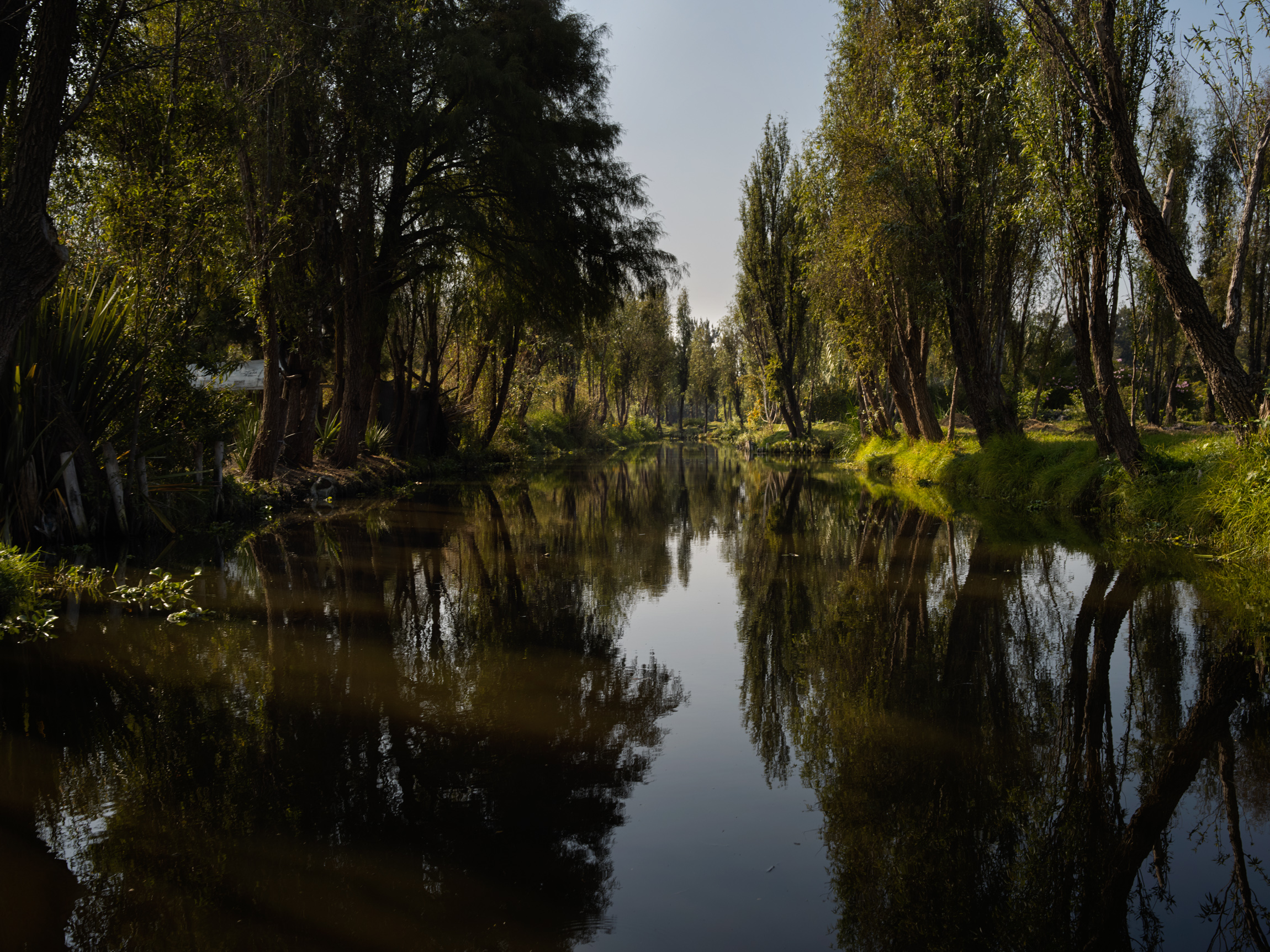
To make a chinampa, ahuejotes were planted at the corners.These trees are extremely resistant to moisture. Edges would be marked in the lake with timber, and the plot would then be filled with successive layers of water lilies and mud, providing a fertile base for the maize and other vegetable crops that the Indians farmed. The chinampas were separated by canals which in turn were highly effective waterways leading to the cities.
Source: Museo National de Antropologia (MNA), Mexico City