 Yacouta Youssif
‘Why organic farming? Because I believe that it's the only way of farming that will exist in the future. We don't have any other choice. Otherwise I think we'll all end up dying, because people have forgotten one important thing: food is what keeps our bodies alive. If we don't feed our bodies properly, they'll degenerate.'
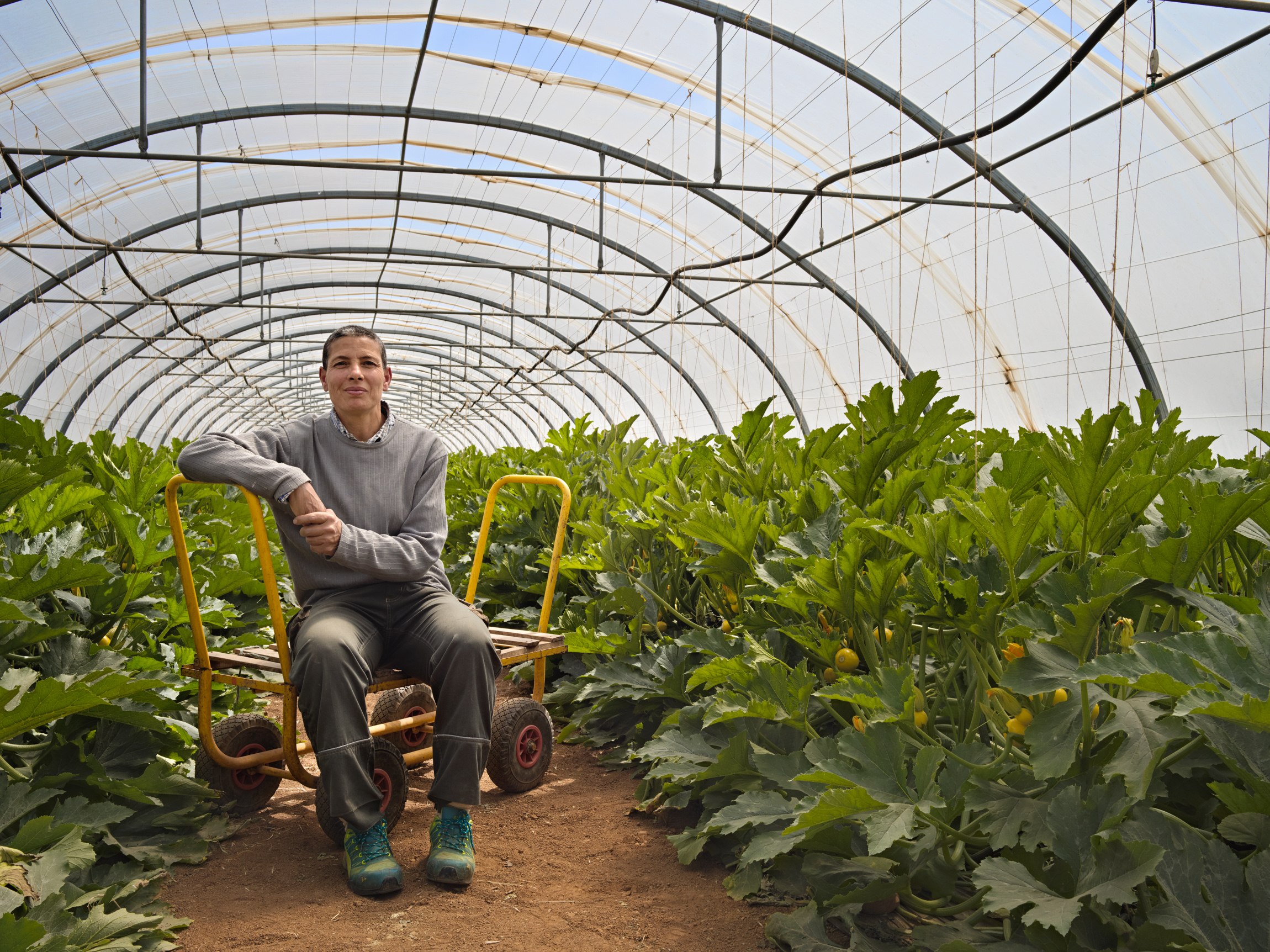
As a child her greatest love was agriculture. She knew deep inside that one day she would be a farmer. As the child of Algerian immigrants born in France, however, she pursued her studies to become a teacher, a successful member of society, as she calls it. But the path of life has led her back to her first love. When she was 26 she started studying agriculture. To gain more practical experience, then she started working for others, to prepare for her own farm. Yacouta wanted a good starting point in terms of knowledge and mental attitude, and, most of all, financial stability. She wanted a project that made sense and was viable.
‘Farmers need to learn how to become peasants.’
‘From the start my thinking was based on organic principles. So when I started studying agriculture all the internships I did were with organic farmers, because that’s what I wanted to do and what I believed in 100%. I always felt we could save agriculture if it was practised in a healthy way. So I arranged my studies around the things that interested me. Because it’s important to do what you like. Nevertheless, I did end up working for the largest French group of fruit and vegetable wholesalers. It was 100% organic. The produce was distributed on the French and European market. I gained experience and I travelled a lot, visiting many farmers in Africa and in Europe. I looked at different means of organic production, I looked at their experiences, and I met some really nice people, very professional people, who helped me and stimulated me to set up in organic farming.’
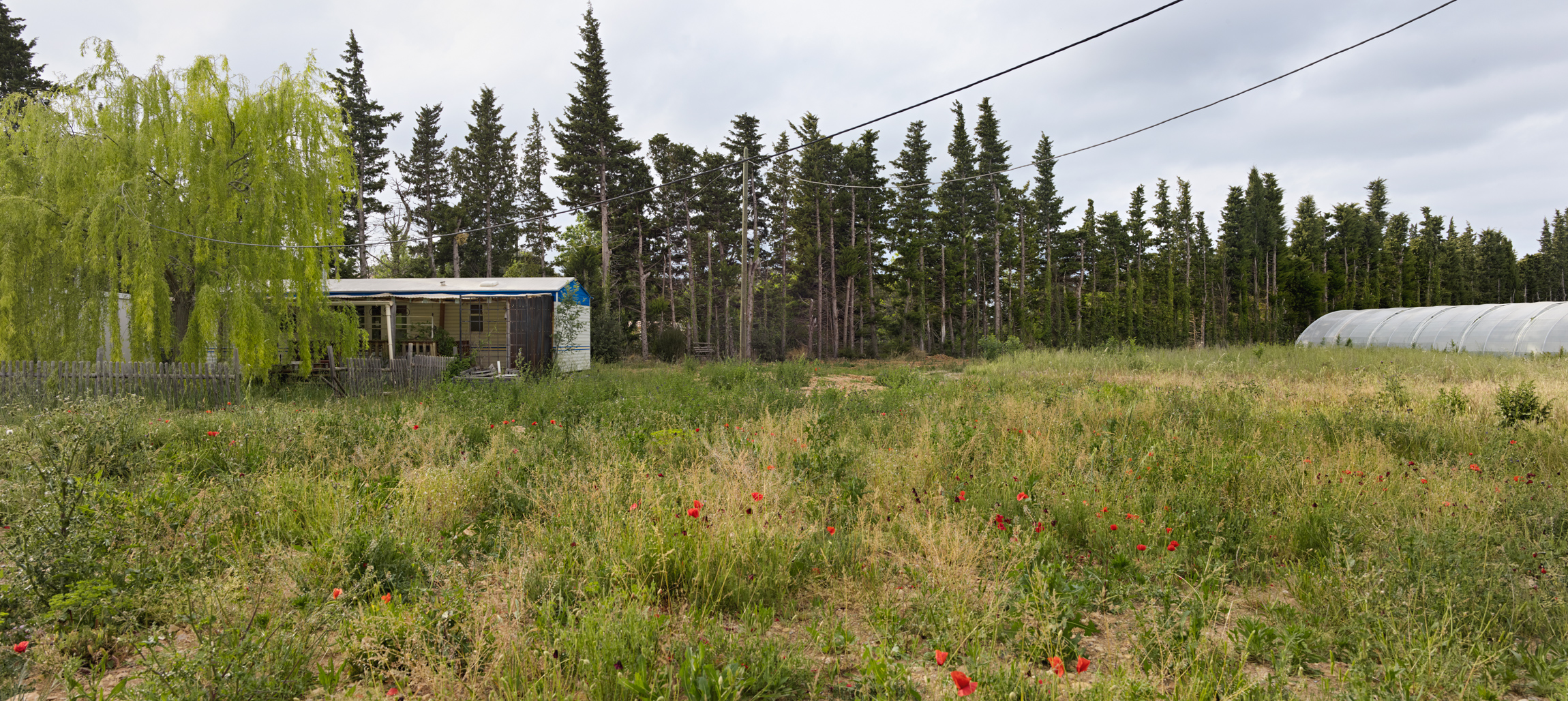
Yacouta sold her house, bought a derelict conventional farm, lived there in a campervan and spent five years getting the soil clean and healthy, and clearing debris. Now her farm in the town of Saint Martin de Crau in the French Provence is a flourishing business that she runs with her friend Rachel, growing aubergines, tomatoes, cabbages, beans and peppers.
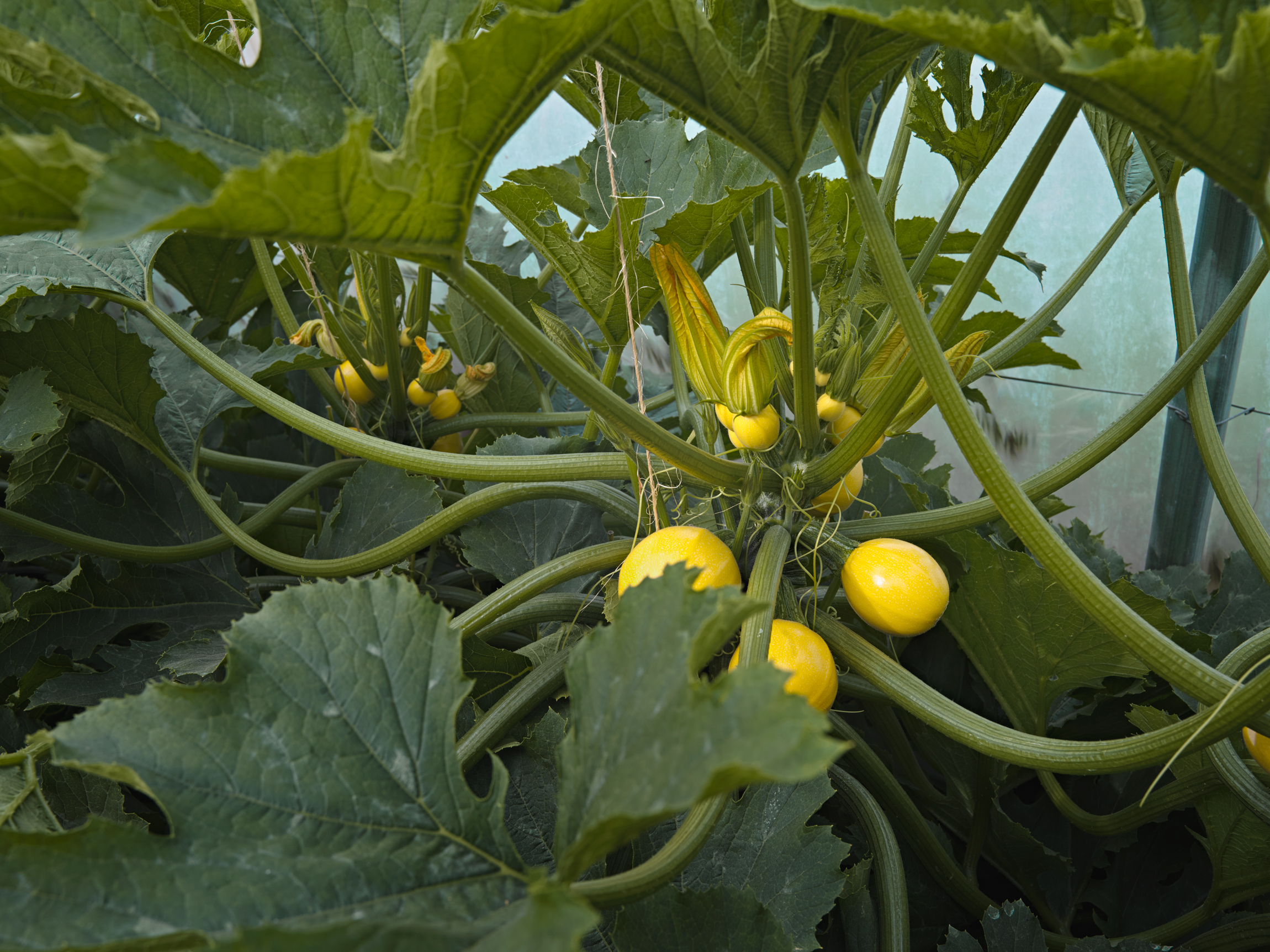
‘If my plants are happy, I am happy.’
Yacouta Youssif‘The soil is the source of life, and in the end we return to it. When I plant my seeds or I plant my little plants in the soil, I want my plants to feel good. Like somebody who has a child and wants it to develop properly. You want it to grow up in good health. That’s crucial to me. Once my soil is properly balanced, my plants will also be balanced. I will not apply the chemicals that people are forced to use today. I will not give my plants any special treatment. My soil is good and it will offer the plants all they need, so there’s no need for any treatment or chemical solutions to keep my plants in good health and profitable.’
‘One of our main challenges is to reintroduce biodiversity into our countryside, because a lot of it has disappeared. I may not be able to witness the final result, but I hope that I will have made a contribution towards the idea that we don't need to mess everything up to feed the planet and the environment.
Yacouta Youssif